


The Winter Crucian Whisperer: Can a Popping Rod Really Work? 🎣❄️
Let’s be honest. The words “winter crucian carp” usually conjure images of static, sensitive float rods, hushed banks, and infinitesimal baits. The idea of using a popping fishing rod—a tool synonymous with explosive saltwater surface strikes—seems, well, absurd. I thought so too, until a desperate, fishless January on a frozen English canal forced a wild experiment. With my traditional float rig utterly ignored, I glanced at my lightweight travel kit, which held a short, crisp graphite popping rod I used for perch. Out of sheer frustration, I rigged it with a tiny, weighted jig. The result wasn’t just a catch; it was a revelation in cold-water stimulus. This isn’t about brute force; it’s about precision provocation. So, let's dismantle the myth: Is a popping rod feasible for winter crucian? Not only is it feasible—with intelligent gear lightweight modification, it can be a devastatingly effective, if unorthodox, secret weapon.
The Core Hypothesis: Vibration Over Visibility
Winter crucian carp are notoriously lethargic. Their metabolism slows, and they often hold tight to deep, structure-laden areas. Traditional tactics focus on passive, scent-based presentations. The popping rod strategy flips this on its head. It’s not about feeding them; it’s about agitating them.
A popping rod is engineered for sharp, powerful tip action to “pop” surface lures. This translates to an exceptionally responsive blank with a fast-to-extra-fast taper. In winter, we repurpose this inherent quality. The rod isn’t for “popping” but for executing ultra-sharp, short-range lifts and drops of a small, subtle jig or bait. This imparts a precise, darting action that creates localized vibrations and displacement—a trigger that a dormant fish may find impossible to ignore, as it mimics a struggling nymph or small distressed creature.
The Science of Cold-Water Attraction: More Than Just Sight
While sight is reduced in often-murky winter water, a fish's lateral line system—its pressure and vibration detection organ—remains highly operational. A study in the Journal of Fish Biologynotes that cyprinids, like carp, rely heavily on this system for close-range prey detection in low-visibility conditions. The sharp, rhythmic “ticks” imparted by a properly worked popping rod generate a clear, targeted vibrational signal. This isn't a blind reaction; it’s a targeted provocation based on sensory biology.
The “Lightweight Modification” Blueprint: Building Your Winter Popping Rig
This is where theory meets the vise. Your standard popping setup is too heavy. We must refine it for finesse. This isn't just about a lighter rod; it's a complete system overhaul.
1. The Heart: The Modified Popping Rod
Your popping rod purchase decision is critical. You don’t want a heavy, 8-foot offshore stick. Seek out a shorter, lighter graphite popping rod in the 6'6" to 7'6" range, rated for lures between 1/8oz to 5/8oz (3-18g). Graphite is key for its sensitivity and quick recovery. The “modification” is in its application: you’ll use its power not for horsing fish, but for imparting micro-movements. A popping pole purchase aimed at freshwater or light inshore species is perfect.
2. The Synergistic Gear (High-Search-Volume Keywords):
-
Lightweight Spinning Reel (Size 1000-2500): A small, high-quality reel is non-negotiable. It must have a buttery-smooth drag to protect light leaders. Paired with a light rod, balance is everything.
-
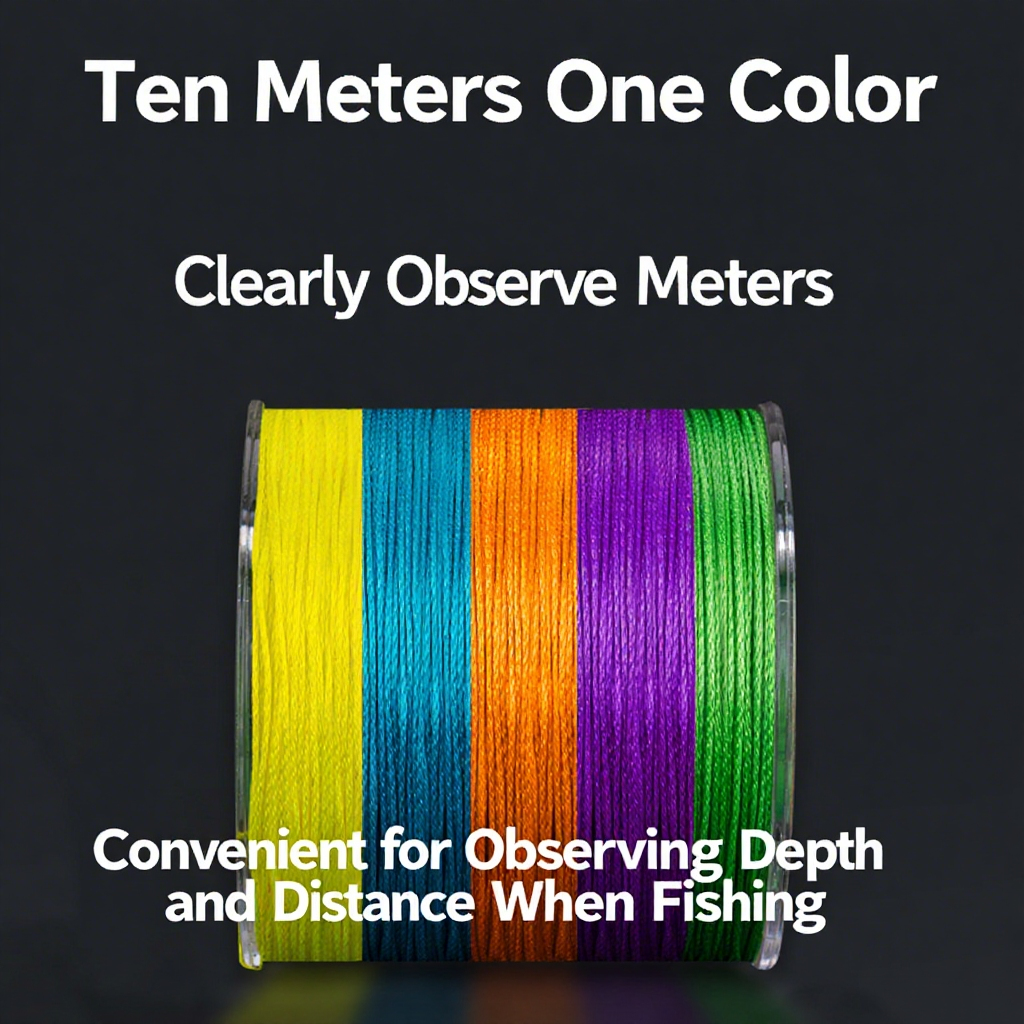
Sensitive Braided Line (5-10lb): Use thin, high-vis braid as your main line. Its zero-stretch property is vital—it transmits every tiny tap from your jig and every subtle bite directly to your hands through the sensitive rod.
-
Fluorocarbon Leader (3-6lb): A long, light fluorocarbon leader (6-8 feet) is essential for invisibility and abrasion resistance around snags. The knot connecting braid to fluoro is your system’s only weak point; make it perfect.
-
Micro Jigs & Lightweight Hooks: Think 1/16oz to 1/4oz jig heads with tiny soft plastics, or a small hook tipped with a single maggot or bloodworm, fished under a minimalist float or on a drop shot.
3. The Technique: Finesse Popping
Forget the aggressive “pop.” Imagine you are gently tapping a tiny bell underwater.
-
Cast to likely holds (deep holes, sunken branches).
-
Let your offering sink to bottom.
-
Using only your wrist, make sharp, 2-3 inch lifts of the rod tip. The sensitive, fast-action blank will translate this into a darting jig movement.
-
Let it fall on a semi-slack line. This is when 90% of strikes occur—on the pause or the initial fall. Your sensitive rod and braid will telegraph the slightest “pluck.”
A Real-World Test: Canal Catastrophe to Confidence
Back to that frozen canal. After switching to my modified 7' light-popping rod (a graphite popping rod originally for bass), paired with a 1000-series reel, 8lb braid, and a 4lb fluoro leader to a 1/16oz jig head tipped with a pink worm, everything changed. The first few sharp lifts yielded nothing. Then, on the fifth cast, as the jig fluttered down, I felt a distinct, electric tapthrough the line—a sensation my heavy float rod would have completely muffled. A short lift of the rod set the hook into a spirited 2lb winter crucian. The rod’s backbone, designed for a harder hook-set, secured it perfectly, while its sensitivity had detected the bite. That afternoon, I landed five more, while the traditional anglers around me remained biteless.
The Verdict: A Niche, But Potent, Arsenal Piece
Is a dedicated popping fishing rod your only winter crucian tool? No. A good float rod is still the versatile workhorse. But is it a feasible, even superior, tool for specific scenarios? Absolutely. When fish are holding deep and ignoring static baits, or when you need to cover water quickly to locate pods, this finesse-popping approach offers a dynamic alternative. It turns you from a passive waiter into an active hunter.
Your Long-Tail Keyword Research Starter Pack:
-
lightest graphite popping rod for freshwater finesse fishing
-
modifying a popping rod for light jigging techniques
-
best braid to fluorocarbon leader knot for sensitivity
-
winter carp fishing with micro jigs and finesse gear
-
choosing a spinning reel size for lightweight popping rods
So, dare to be different this winter. Look at your popping rod purchase not as a one-trick pony, but as a potential winter-wakening weapon. With thoughtful gear lightweight modification, you might just unlock a reaction bite where everyone else is waiting for a meal. Have you ever used an unconventional rod for a species? Share your story in the comments! Let’s talk tactical heresy. 👇





Leave a comment