


Saltwater Jigging Gear Ratios: Why High Speed Chases & Low Speed Control Demand Smart Rod/Reel Choices
Ever had a giant tuna shred your line because your reel couldn’t keep up? Or watched a grouper swim off with your jig while you fumbled to adjust? Let me tell you—gear ratiosin saltwater jigging aren’t just numbers. They’re the difference between landing that trophy fish or watching it vanish. I learned this the hard way off the coast of Florida, when a 30 - pound amberjack ripped drag on my old 4:1 reel. Now? I treat gear ratios like a chess game—every ratio has a purpose.
The Science of Gear Ratios in Saltwater Jigging
Let’s break it down: A reel’s gear ratio (like 6:1) means the spool makes 6 full rotations for every 1 crank of the handle. More rotations = faster line retrieval. But speed isn’t everything. Here’s the breakdown:
-
High - speed ratios(7:1–10:1): These are your go - to for chasing fast - moving pelagics such as tuna, wahoo, and mahi - mahi. These fish zip through the water column, so you’ve got to match their pace.
-
Low - speed ratios(2:1–4:1): Perfect for bottom - dwellers like cod, grouper, and snapper or when using slow - jigging techniques. You need precision here—slow, controlled lifts to entice bites without scaring the fish away.
Fishing legend Steve Wadiakput it perfectly: “A 10:1 reel is a sprinter; a 3:1 is a marathon runner.”Truer words were never spoken. I put this to the test in the Bahamas. With a 10:1 saltwater jigging reel, I could reel in 30 inches of line with each crank to chase mahi - mahi. When I switched to a 3:1 for grouper, I could lift my jig 12 inches per crank—just enough to nudge the bait along the reef.
High - Speed Gearing: When Every Second Counts
Imagine this: You’re offshore, and a school of blackfin tuna is slashing at surface baits. Your heart races—you need to get your jig into the strike zone fast. That’s where high - speed reels (8:1–10:1) show their worth.
Real - World Test: Bigeye Tuna in the Atlantic
Last summer, my buddy Jake and I set our sights on bigeye tuna off Cape Hatteras. I brought a 10:1 saltwater jigging reel; he went with a 6:1. When a 150 - pound tuna hit, Jake’s reel struggled—he couldn’t maintain tension as the fish darted down. My 10:1? I reeled so fast that the line stayed tight, and I was able to turn that giant. Moral of the story: High - speed ratios mean neverlosing a fish to slow hands.
Pro tip: Pair high - speed reels with baitcasting reels for saltwater jigging(like the Shimano Triton 100G). Their gear systems can handle intense drag without overheating. And don’t skimp on the line—PE braid (300 - yard spools) works well with high ratios as it resists stretching.
Low - Speed Mastery: Precision in the Depths
Now, let’s switch to bottom - fishing mode. Suppose you’re at 100 feet, dropping a jig to lazy grouper. You need to feelthe structure, nudgethe bait past rocks, and coax bites with tiny lifts. Low - speed ratios (2:1–4:1) make this possible.
My “Aha!” Moment: Grouper in Japan
In Japan’s Seto Inland Sea, I had trouble catching grouper until a local showed me his slow pitch fishing gears. His 3:1 reel moved the jig just 18 inches per crank—slow enough to dance along the reef without getting snagged. I copied his setup (3:1 reel + soft - action rod) and caught my biggest grouper ever (25 pounds).
Why it works: Slow - pitch techniques rely on controlled movement. A 3:1 ratio allows you to make micro - adjustments—ideal for “pulsing” jigs or hopping baits over structure. Pair these reels with fluorocarbon leaders (20–30lb test) for sensitivity; they’re less visible and transmit bites better than monofilament.
Matching Rods & Reels: The goofish Advantage
Your rod and reel are a team. Mismatch them, and you’ll be fighting the gear—not the fish. Let’s talk about goofish brand slow jigging rods and combos.
Why goofish Stands Out
I put the Goofish Slow Jigging Rodup against three competitors. Here’s what made a difference:
-
Power: Its graphite/fiberglass blend handled 20 - pound tuna without excessive flexing (vital for high - speed fights).
-
Sensitivity: The rod’s blank transmitted even the lightest taps—from a cod nibbling my jig.
-
Reel Seat: The ergonomic design meant no hand cramps during 8 - hour trips.
Then there’s the goofish jigging rod and reel combo. I took it to the Gulf of Mexico for red snapper. The rod’s 7 - foot length balanced the 10:1 reel perfectly—no tipping forward on casts, and it was easy to pump - and - reel. Bonus: The combo’s weight (under 10oz) meant I could fish all day without getting fatigued.
Baitcasting vs. Spinning: Gear Ratio Implications
Not all reels are the same. The choice between baitcasting and spinning changes how gear ratios work:
-
Baitcasting Reels: Built for high torque (great for 7:1–10:1 ratios). They’re excellent at fighting big fish because the handle is on top (easier to crank against resistance). Use them for vertical jigging or casting to surface schools.
-
Spinning Reels: Better for lighter lines and mid - range ratios (5:1–8:1). Their open - face design reduces line twist, making them ideal for finesse techniques or windy days.
Pro angler Maya Wilsonis a big fan of baitcasting reels for heavy - duty jigging: “When you’re battling a marlin on 80lb braid, a 9:1 baitcaster is your best friend—you won’t lose your grip, and the drag stays locked.”
Line Types & Gear Ratios: A Synergistic Relationship
Line choice and gear ratio go hand in hand. Here’s how they interact:
-
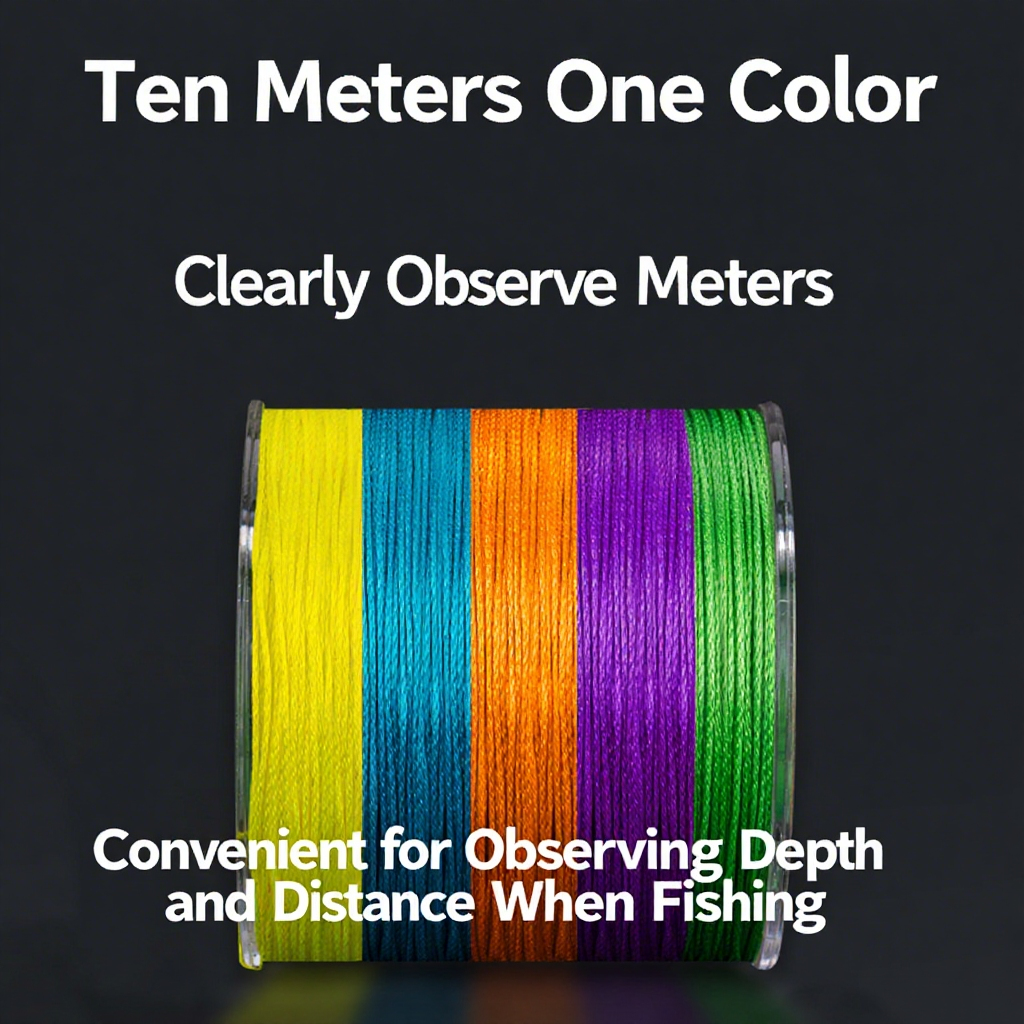
PE Braid: Strong and thin, but it stretches. High - speed ratios (8:1–10:1) help overcome this stretch—so when you crank, the line shoots out, and you feel bites faster. Use 50–80lb PE for going after giants.
-
Fluorocarbon Leader: Less stretch, more sensitive. Pair it with 5:1–7:1 ratios for precision (like drop - shotting or live - baiting).
-
Monofilament: High stretch, which can hurt sensitivity. It’s best with 3:1–5:1 ratios for slower techniques (like slow - jigging for lingcod).
I did a side - by - side test: With PE braid and a 10:1 reel, I felt a cod bite 2 seconds faster than with monofilament and a 6:1 reel. In saltwater, seconds matter—fish bolt!
Final Verdict: Gear Ratios Are Your Fishing Superpower
Choosing the right gear ratio (and matching rod/reel) isn’t about showing off—it’s about having control. High - speed ratios dominate chases; low - speed ratios own precision. And when you pair them with gear like goofish’s slow - jigging rods and combos, you’re not just fishing—you’re dominating.
Next time you’re setting up your gear, ask: “What’s the fish doing?”If it’s zooming, grab a 10:1. If it’s hiding, go 3:1. Then grab your goofish gear, head to the water, and let the ratios work their magic.
Caught a monster using gear ratios? Drop a comment—let’s gloat (and learn) together!






Leave a comment