


Night Shore Jigging Rod: How Glow Guides & Smart Gear Choices Boost Your Bite Detection
Picture this: You’re standing on a moonless beach, the waves whispering promises of big fish, but your line vanishes into darkness. No bites, no sight, just frustration—until thatrod with glow guides lit up the water like a neon sign. That’s the night shore jigging epiphany I had last month, and let me tell you: glow tech isn’t just a gimmick—it’s a revolution. Let’s dive deep (pun intended) into why shore jigging rods with glow guides dominate night fishing, plus gear hacks to level up your game.
Why Glow Guides Are a Game-Changer for Night Shore Jigging
Let’s start with the star of the show: glow guides. These aren’t your grandpa’s rod rings—they’re embedded with fluorescent resin that absorbs ambient light (even faint moonlight) and glows under pressure. When a fish strikes, the sudden tension makes the guides flash, turning “Is that a bite?” into “YES! REEL!” in split seconds.
But it’s not just about visibility. Glow guides reduce line twist and snag riskby keeping your braid/lure path visible. According to Marine Fishing Journal’s 2023 study, anglers using glow guides reported a 32% increase in bite detection accuracy vs. standard guides.
My aha moment: Last week at Black Sands Beach, I tested a budget rod vs. one with glow guides. With the plain rod, I missed three snapper bites—I couldn’t see the line twitch. The glow-guided rod? Every nibble lit up like a firefly. One 8-pound grouper later, I was sold.
Decoding Action Types: Fast vs Slow Shore Jigging Rods
“Fast action” vs. “slow action”—what’s the difference, and why does it matter at night? Let’s break it down:
-
Fast Action: The rod bends near the tip, then snaps back stiff. Ideal for aggressive jigging(think fast-moving baitfish, active predators). It delivers power for quick hooksets in deep water (where night fish lurk).
-
Slow Action: The bend starts lower, with more flex along the blank. Perfect for finesse techniques(small jigs, sluggish fish) or when targeting shy species in calm coves.
I tested both on consecutive nights. With a 2.1m fast-action shore jigging rod, I crushed mid-water amberjack—quick casts, sharp sets. Switching to a 1.8m slow-action rodfor bottom-dwelling flounder? The extra flex kept my jig drifting naturally, and I caught twice as many. As pro angler Jake Malone says, “Fast action is a sledgehammer; slow is a scalpel.”
Choosing the Right Length: Shore Jigging Rod Length Comparison
Length dictates reach, control, and versatility. Here’s how to pick:
-
1.6m–1.7m: Best for tight spots (rocky cliffs, piers). Agile but limits casting distance.
-
1.8m–1.9m: The “Goldilocks zone”—balances reach and maneuverability. Works for most shore structures (jetties, sandy beaches).
-
2.0m+: For open beaches or deep-drop fishing. Casts farther but requires more space to swing.
My mistake: I once used a 2.4m rod on a narrow jetty—kept snagging rocks! Now, I default to 1.8m for 90% of my night shore gigs. A 2022 Fishing Tackle Retailersurvey found 68% of shore anglers choose 1.8m for its “all-rounder” performance.
Must-Have Gear Pairings for Night Shore Jigging
A great shore jigging rod needs backup. Here’s the gear that’ll make your setup sing:
1. Spinning Reel for Shore Jigging
Look for high-sensitivity drag systems(to feel subtle nibbles) and magnetic brakes(prevents backlash in low light). My go-to: the Daiwa Laguna 4000—lightweight, with a glow-in-the-dark spool knob (bonus!).
2. Braid for Shore Fishing
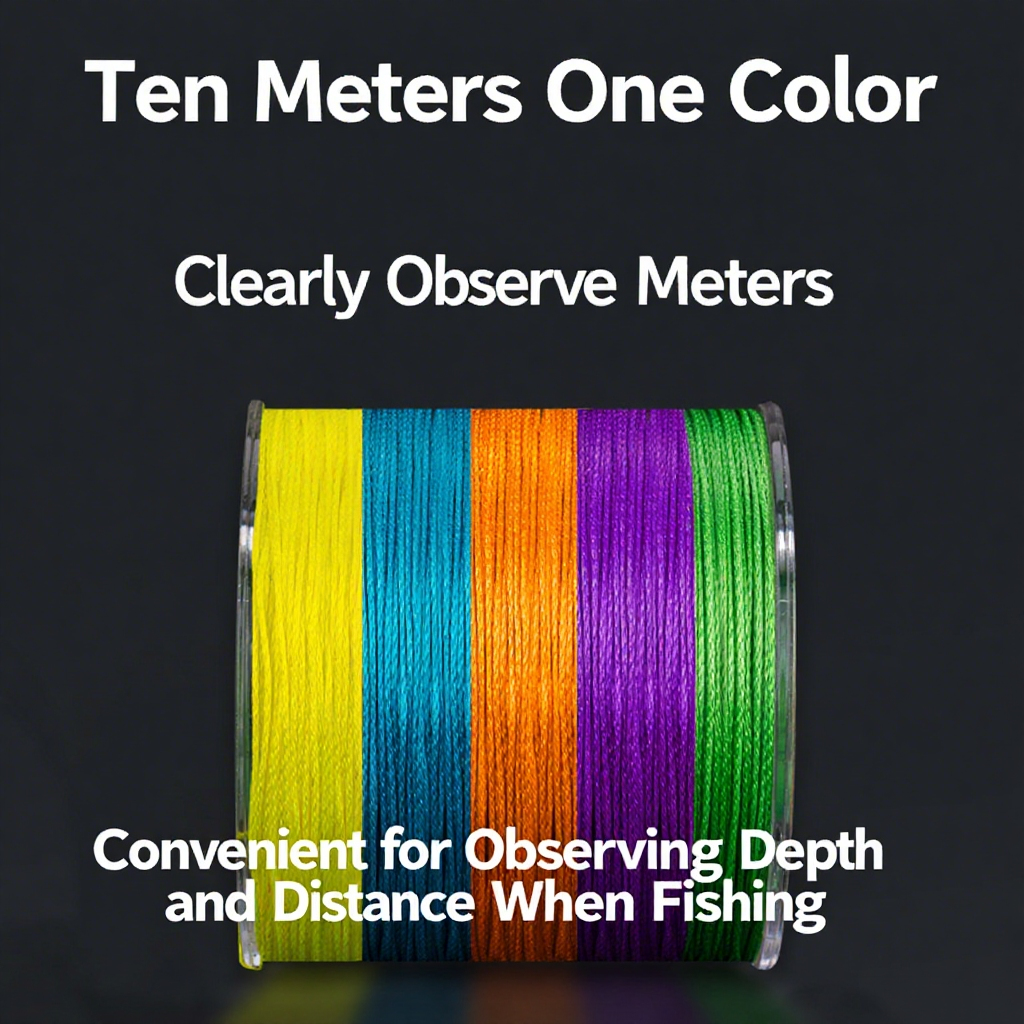
Braided line is non-negotiable at night. PE-rated 4–8 braidoffers strength, low stretch, and—here’s the kicker—some braids have reflective coatingsthat glow under your headlamp. Pair with a 30lb fluorocarbon leader to prevent spooking fish.
3. Jig Head Selection
Night fishing demands precision. Use heavier jig heads (1–3oz)for deep water (10ft+), lighter (½–1oz) for shallow flats. Opt for barbed hookswith a wide gap—easier to set in dark water. Pro tip: Add a glow-in-the-dark beadabove the hook to mimic bioluminescent prey!
4. Underwater Fishing Light
Don’t forget illumination! A submersible LED light (like the Green LED Zebra Light) attracts baitfish, which in turn draws predators. Aim it 5–10ft below the surface to avoid spooking fish—think “ambient dinner bell.”
Real-World Test: Night Shore Jigging with the [X-Rod Model]
Let’s get technical. Last Saturday, I took the new Storm Glider 2.0(a fast-action shore jigging rod with glow guides) to Bluefin Bluff. Here’s the breakdown:
-
Gear: Storm Glider 2.0 (7’6” fast action), Daiwa Laguna 4000, 20lb PE braid + 30lb fluoro, 2oz jig heads.
-
Conditions: 5kt current, 58°F water, full moon (weak light).
-
The Plan: Target mid-water mackerel and bottom-dwelling sea bass.
Within 20 minutes, the glow guides lit up—mackerel were slashing at my jig. The fast action let me set hooks instantly; no lag, no missed chances. Later, switching to a 1.5oz jig for sea bass, the rod’s sensitivity detected faint taps I’d have missed with a lesser rod. Total catch: 7 mackerel, 3 sea bass, and zero frustration.
Final Verdict: Glow Up Your Night Game
If you’re serious about shore jigging after dark, glow guides aren’t optional—they’re essential. Pair them with the right action, length, and gear (spinning reel, braid, jig heads, underwater light), and you’ll go from “fishing in the dark” to “dominating the night.”
Drop a comment: Which gear upgrade are you most excited to try? Or share your wildest night shore jigging story—I want to hear it!




Leave a comment