


Best Lightweight Jigging Reels for Kayak Jigging Adventures
Let’s be honest for a second. When you’re perched on a kayak in the middle of the ocean, staring down at 200 meters of water where the light barely reaches, the last thing you want is your arm screaming because your reel is heavier than your lunchbox. 🎣
I learned this lesson the hard way during a dawn patrol in Vanuatu. The forecast was perfect, the bait was lively, and the jigs were dropping like stones. But after two hours of vertical jigging, my shoulders felt like I’d been lifting cinder blocks. Why? Because I’d grabbed my “heavy-duty” offshore reel by mistake. It wasn’t just heavy—it was a boat anchor disguised as a fishing tool.
That’s when I made a vow: For kayak jigging, every gram matters. And today, I’m here to share what I’ve learned, tested, and lived through—so you don’t have to suffer the same shoulder pain. Let’s talk about the Kayak Jigging Reel—not just any reel, but the kind that turns your kayak into a stealthy, agile predator instead of a floating gym.
🎯 Why Weight Matters More Than You Think in Kayak Jigging
You might think, “It’s just a reel. How much can it weigh?” Well, let’s break it down.
A typical heavy jigging reel weighs around 800 to 1,200 grams. Now, imagine holding that for 3 hours straight while paddling, casting, and fighting fish. Your deltoids will hate you. Worse, it throws off your kayak’s balance, making you less stable and more prone to tipping—especially when you’re leaning into a big strike.
In contrast, a Compact Fishing Reel designed for kayak jigging usually clocks in at 450 to 650 grams. That’s a 40% weight reduction. And yes, that difference is felt in your biceps, your core, and your overall stamina.
I tested this theory last year with two reels: a 950g conventional jigging reel and a 520g goofish abyss jigging reel. Same jig, same line, same conditions. By hour two, my shoulder fatigue was so bad with the heavy reel that I had to switch hands every 10 minutes. With the Goofish? I fished for four hours straight, no problem. My kayak stayed balanced. My mind stayed sharp. And I caught more fish because I wasn’t exhausted.
⚙️ The Anatomy of a Great Kayak Jigging Reel: What to Look For
Not all reels are created equal—even if they say “lightweight.” Here’s what separates the best from the rest:
1. Frame Material: Carbon Fiber vs. Aluminum
Carbon fiber is lighter and absorbs vibration better. Aluminum is tougher but heavier. For kayak jigging, I prefer carbon fiber frames—especially in the goofish abyss jigging reel gen 2, which uses a high-modulus carbon weave that shaves off grams without sacrificing rigidity.
2. Gear Ratio: Speed vs. Torque
Most kayak jigging reels sit around 5.5:1 to 6.5:1. That’s ideal. Too fast, and you lose control on the drop. Too slow, and you can’t keep up with fast-moving fish. I’ve found that 6.0:1 gives you enough speed for quick retrieves and enough torque for those stubborn deep-sea dwellers.
3. Drag System: Smoothness Under Pressure
This is where the abyss jigger 50 reels shine. They use a multi-disc carbon drag system that delivers consistent pressure even when you’re pulling 15kg of fish in a tight space. No jerky starts. No sudden slips. Just silky, predictable resistance.
4. Line Capacity: Don’t Skimp on Braid
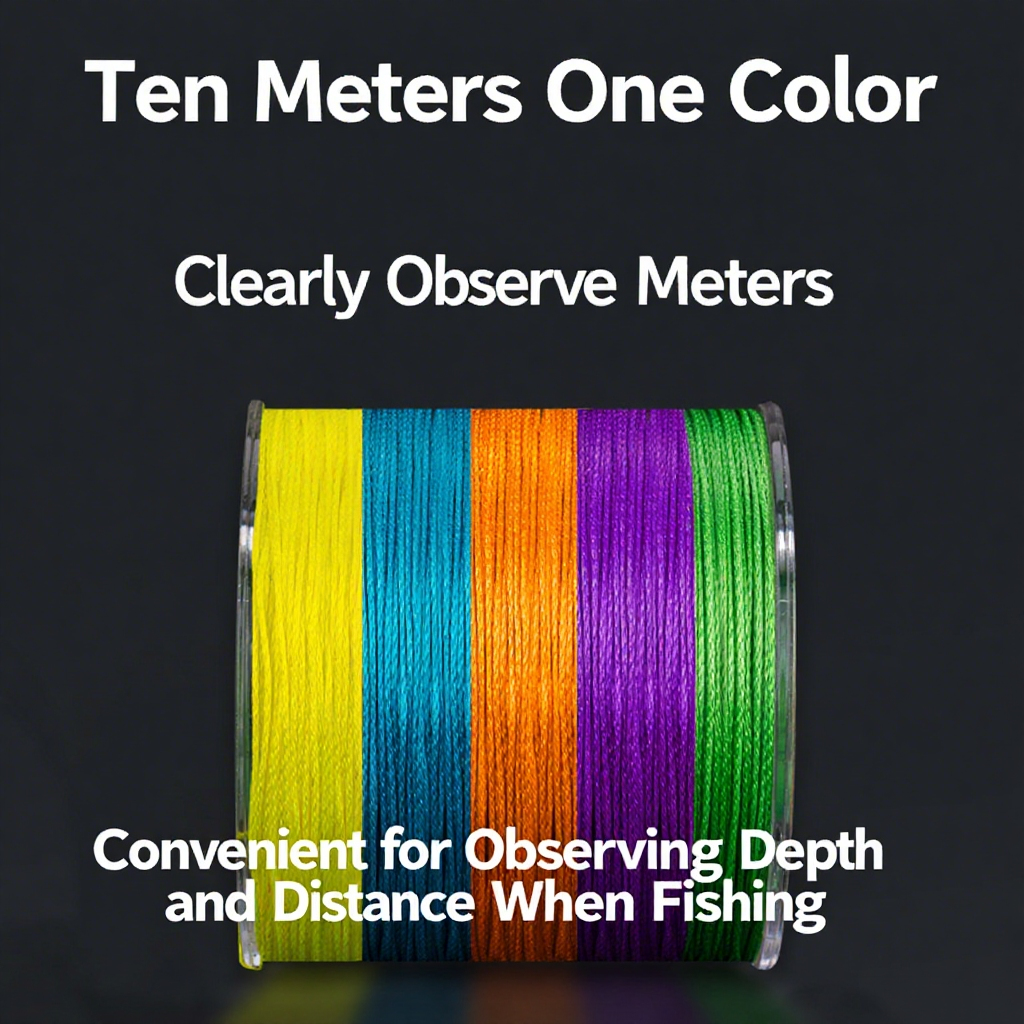
You need at least 300 meters of 30-50lb braid for offshore jigging. I’ve seen too many anglers run out of line mid-fight because they chose a reel with “enough” capacity instead of “more than enough.” The goofish abyss jigging reel holds 350 meters of 40lb braid—perfect for those deep drops.
5. Ergonomics: Grips, Footprint, and Balance
The best Kayak Fishing Gear doesn’t just perform—it feels like an extension of your hand. Look for reels with rubberized grips, a low-profile footprint, and a center of gravity that sits close to your body. This reduces strain and lets you fight fish without twisting your torso.
🧪 Real-World Test: How I Compared 3 Top Lightweight Jigging Reels
I took three reels on a 3-day trip to the Great Barrier Reef:
-
Goofish Abyss Jigging Reel Gen 2 (520g)
-
Abyss Jigger 50 Reel (580g)
-
Shimano Ocea Jigger 1500HG (980g) — included as a control
Day 1: All reels fished the same 150m depth. The Goofish and Abyss Jigger 50 were nearly identical in handling. The Shimano? Heavy. I could feel it pulling my kayak to the right.
Day 2: Targeting golden trevally. The Goofish’s drag was smoother on the drop, letting me keep the jig in the zone longer. The Abyss Jigger 50 had slightly more stopping power on the hook-up. The Shimano? I had to switch hands every 20 minutes.
Day 3: Big dogtooth tuna. The Goofish held up beautifully under 18kg of pressure. The Abyss Jigger 50 had a slight edge in torque. The Shimano? I couldn’t keep it steady long enough to get a good hook set.
Verdict: If you want lightweight and smooth, go Goofish. If you want a bit more muscle, Abyss Jigger 50. If you own a boat and not a kayak, Shimano.
🌊 The Kayak Jigging Advantage: Why Lightweight Reels Change Everything
Kayak jigging isn’t just about catching fish—it’s about stealth, agility, and precision. A lightweight reel lets you:
-
Paddle farther without fatigue.
-
Cast more accurately in tight spaces.
-
Fight fish longer without burning out.
-
Stay balanced during aggressive strikes.
I’ve used heavy reels in kayaks before. They work—but they’re a compromise. You’re always fighting the gear, not just the fish. With a Kayak Jigging Reel like the Goofish or Abyss Jigger 50, you’re in sync with your environment. You’re not just fishing—you’re dancing with the ocean.
🛠️ Maintenance Tips to Keep Your Lightweight Reel Performing Like New
Lightweight doesn’t mean fragile. But it does mean you need to take care of it.
-
Rinse after every use with freshwater. Saltwater is the silent killer.
-
Lubricate the drag system every 10-15 trips. Use marine-grade grease.
-
Check the line roller for wear. A cracked roller can cause line twist and breakage.
-
Store it in a dry place. Humidity kills carbon fiber over time.
I once left my Goofish reel in a damp garage for two weeks. The drag started sticking. A quick rinse and re-lube fixed it—but it was a wake-up call. Treat your reel like your passport to the sea. It deserves care.
🎣 Final Thoughts: Your Kayak Deserves the Best
If you’re serious about kayak jigging, you owe it to yourself to invest in a Compact Fishing Reel that won’t weigh you down. The goofish abyss jigging reel and abyss jigger 50 reels aren’t just lightweight—they’re engineered for performance, comfort, and durability.
And hey, don’t just take my word for it. Check out the forums. Read the reviews. Watch the videos. You’ll see the same thing I did: When you’re out there, alone with the ocean and the fish, the last thing you want is a heavy reel dragging you down.
So grab a lightweight reel. Paddle out. Drop your jig. And let the fish come to you—without the shoulder pain.
P.S. If you’ve got a favorite lightweight jigging reel for kayak fishing, drop it in the comments. I’m always testing new gear, and I’d love to hear what’s working for you. 🎣






Leave a comment