


Ice Fishing Newbie Mistake: Why the Heroic Yank Makes Fish Disappear
The tip-up flag snapped upright with a thwackthat echoed across the frozen lake. Adrenaline surged. I sprinted, skidding the last few feet, grabbed the line, and with all the conviction of a Hollywood angler, set the hook with a mighty, two-handed yank skyward. For a glorious second, I felt weight. Then… nothing. Just a slack line and a vanished trophy pike. My buddy, who had sauntered over, just shook his head. “In ice fishing” he said quietly, “the water sets the hook. You just take up the slack.” That moment, frozen in more ways than one, taught me the hardest lesson on the ice: Don’t Yank.
The instinct to strike hard is primal. You see the bite, and you react. But beneath the ice, you’re not fighting a fish in open water; you’re engaging in a delicate, high-stakes negotiation through a tiny hole, with physics working against every aggressive move. This blog is your intervention against that costly instinct. We’re diving into the “why” and mastering the “how” to turn those heart-stopping bites into solid hook-ups.
The Physics of Failure: Why the Yank is Your Worst Enemy
Let’s break down what actually happens in that disastrous second. In open water, a sweeping hookset has room to travel, loading the rod and driving the hook point home. Through an 8-inch ice hole, the mechanics are brutally different.
-
The Angle of Attack is All Wrong: Your rod is at a near-vertical 90-degree angle to the fish. A violent upward pull doesn’t drive the hook forward into the fish’s mouth; it primarily pulls the fish upward, often simply pulling the bait or lure straight out of its mouth. According to basic vector physics, the force is misapplied.
-
Shock Loading the Line: Modern, low-stretch lines like premium braided ice fishing line or fluorocarbon are incredibly strong but have minimal “give.” A sudden, explosive yank can create a shock load that exceeds the line’s tensile strength for a microsecond, causing a break at the knot or at a microscopic abrasion point you never saw. This is why a smooth, steady pressure is always stronger than a jarring jerk.
-
Tearing Paper-Thin Mouths: Species like perch, walleye, and crappie have delicate mouth tissues. A hard strike can literally rip a hole right through the lip, resulting in a momentary hook-hold followed by instant freedom. The goal is to pierce, not to destroy.
The Pro’s Playbook: The Art of the “Ice Hookset”
Forget the sweeping strike. The ice hookset is a compact, disciplined motion. Your objective is not to move the fish, but to move the hook point a mere quarter-inch into a firm hold.
The Universal Method: The Reel-Sweep-Hold.
-
Reel Down: The instant you detect a bite (on a rod tip or tip-up), lower your rod tip toward the hole while smoothly reeling just enough to take up all visible slack. Your line should go from an arc to a straight, taut line to the fish. This is the single most important step. You’re connecting the dots.
-
The Sweep: With the slack gone, use your forearm and wrist—not your whole body—to execute a firm, smooth, sweeping motion. The direction depends on your rod position:
-
For a rod in a holder or you’re holding it low, sweep sideways, parallel to the ice.
-
If you’re already holding the rod upright, a concise, authoritative upward sweep of 1-2 feet is sufficient. The key is the prior “reel down” to create a direct connection.
-
-
Hold and Steady: Don’t drop the tip immediately. Maintain that steady pressure. Feel for the weight, then let the fight begin, guided by your well-set drag.
Your Gear: The Silent Partner (or Saboteur)
Your technique is paramount, but your gear must enable it, not fight it. This is where understanding the types of ice fishing reels and their roles becomes critical.
-
The Sensitive Rod: This is your primary bite detector. A fast-action, sensitive ice fishing rod (like many in a quality ice fishing rod and reel combo) has a soft tip to show nibbles but a strong backbone to turn the fish. You cannot set a hook properly if you’re using a soggy noodle of a rod. The rod’s “backbone” does the penetrating work on the sweep.
-
The Reel’s Role: Whether you choose an inline reel, a small spinning reel, or a simple spool, its drag is your safety valve. A top rated ice fishing reel for finesse species will have an ultra-smooth, adjustable drag that can be set light to prevent break-offs on the initial surge, yet still allow you to apply steady pressure. The reel’s job is to hold line and manage tension, not to win the fight.
-
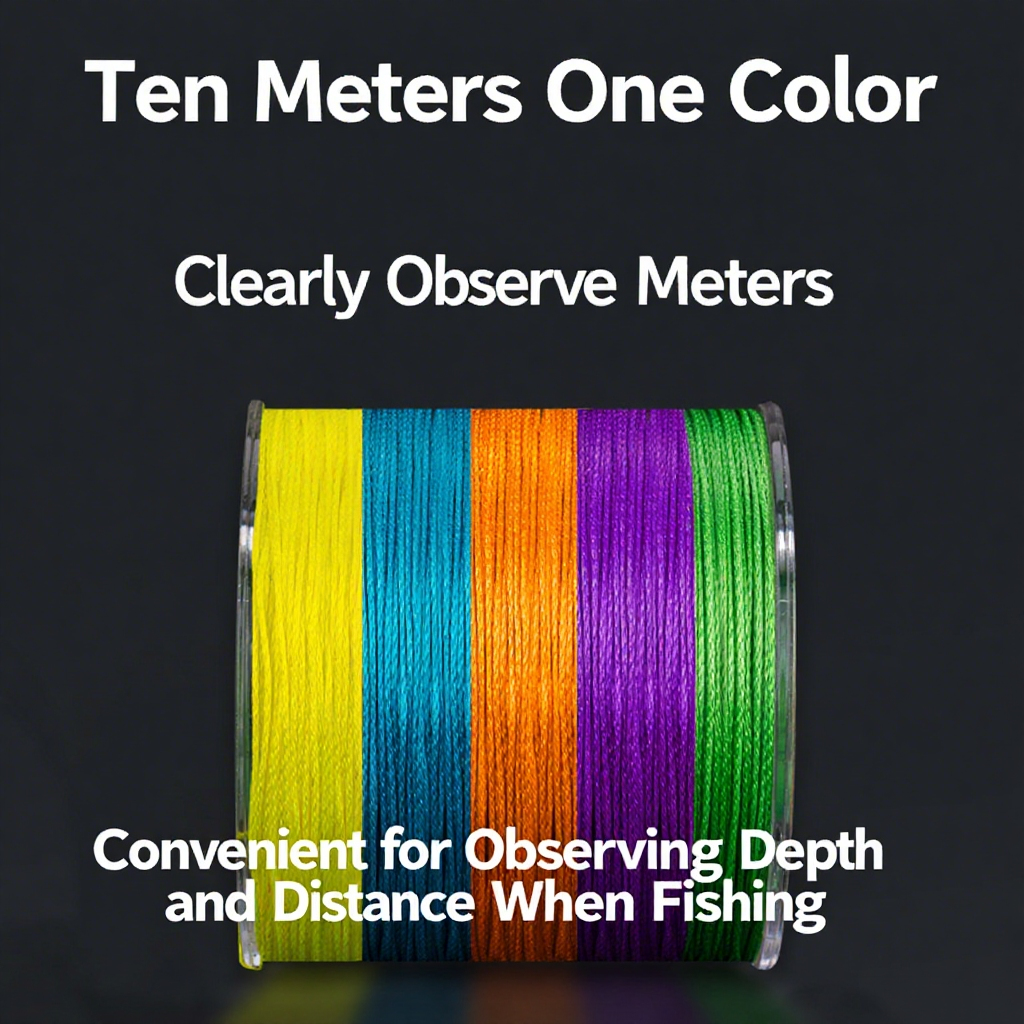
The Critical Connection: Your Line: Your choice here is vital. For most finesse applications, a low-visibility, low-memory fluorocarbon ice fishing line in the 2-4 lb test range is ideal. It’s sensitive and nearly invisible. For larger predators or when using tip-ups, a no-stretch braided ice fishing line as a mainline with a fluorocarbon leader provides incredible sensitivity for detecting subtle takes and ensures all your sweeping energy is transferred directly to the hook, not absorbed by line stretch.
Species-Specific Strategies: One Mistake, Different Outcomes
The “yank” mistake manifests differently across species, but the outcome is the same: lost fish.
-
For Panfish (Perch, Crappie, Bluegill): Their bite is often a subtle “tap tap” or a gentle lift of the rod tip. A yank will either rip the tiny jig out of their mouth or tear their delicate lips. The proper response is to reel down gently to feel the weight, then sweep firmly.
-
For Walleye: Famous for their soft, sucking bite. They often inhale and just hold. A violent strike pulls the lure right out of that vacuum. A steady, pressure-keeping sweep is the only way to get a solid hookset in their bony mouth.
-
For Pike on Tip-Ups: This is where the instinct is strongest. You see the flag, you see the spool spinning. The mistake is grabbing the line and jerking immediately. Instead, let the fish take line, then gently pick up, feel for the weight, and set the hook with a steady, heavy pull to drive the large trebles home.
The Mental Game: Rewiring Your Instincts
This is the hardest part. You must replace a deep-seated reflex with a disciplined sequence. Practice helps.
Try this drill in the offseason: Suspend a 1-ounce weight from a tree branch. Practice with your ice rod: “Reel down, sweep, hold.” Make the motion muscle memory. The goal is smooth, confident compression, not explosive power.
The Final, Icy Truth
Ice fishing amplifies everything—the cold, the silence, the anticipation, and the consequences of mistakes. That thrilling moment of a bite is a gift. Don’t squander it with a panicked, forceful reaction that belongs in open water.
Embrace the finesse. Trust your gear, especially a sensitive ice fishing rod paired with the right line. Understand that the winning move is most often the controlled, patient one. Master the reel-down and the purposeful sweep, and you’ll stop pulling hooks fromfish and start pulling fish throughthe hole.
Now, go be gentle with those giants. 🎣✨





Leave a comment