


Fish On Moment: The Art of the Pause - Why Giving Line First Wins Battles
Alright, let's set the scene. Your heart is hammering against your ribs. That pulsating thump on your line just erupted into a screaming drag. Your every instinct screams, "SET THE HOOK NOW!" ✊
Stop. Breathe. Do the exact opposite.
The single most counterintuitive, yet critical, skill in modern sportfishing isn't a cast or a retrieve. It's the disciplined art of giving line first, then setting the hook. Master this, and you transform from someone who hopesto land a fish into someone who closes the deal. Today, we're moving beyond the simple advice. We're diving into the why, the hard science, the gear that makes it possible, and the gut-wrenching moment that burned this lesson into my soul.
The High-Stakes Lesson I Learned the Hard Way
It was on a legendary stretch of reef, hunting dogtooth tuna with a heavy daiwa shore jigging rod. My gear was dialed: a powerful reel, brute-force braid, and a mean-looking jig. I felt the classic "tap-tap" of a curious fish, then a solid weight. In a burst of adrenaline-fueled reflex, I hauled back on the rod with everything I had—a massive, sweeping hookset.
For a glorious second, I felt solid resistance. Then… nothing. The line went slack. I reeled in a straightened 400lb split ring. The sheer power of my premature set had literally pulled the hardware apart before the hook could even penetrate the tuna's concrete-like jaw.
My seasoned guide just shook his head. "He was still turning it in his mouth," he said quietly. "You tried to take it fromhim. You have to let him take itfrom you first."
That moment of failure was my most expensive and effective lesson. It taught me that hooksetting is not an act of force, but an act of timing.
The Science of the Slow-Motion Bite: It's Biology, Not Luck
Why does "giving line" work so consistently? It’s not magic; it’s mechanics and animal behavior.
-
The Predatory Sequence: When a large predatory fish like a GT, amberjack, or grouper attacks, it's rarely a clean, mouth-first swallow. The sequence is often: Strike → Turn → Swallow. The initial hit might stun the prey. The turn positions it head-first. Thenthe swallow happens. If you set the hook on the strike or turn, you're pulling the lure from the lips or side of the mouth, resulting in a poor hold or a straight-up pull-out.
-
The Hook Point Angle: This is crucial engineering. A circle hook (or even a J-hook) needs to travel to the corner of the fish's mouth to achieve a secure, "lip-locked" penetration. By letting the fish move away with tension (not slack!), you allow the hook point to slide and naturally find that purchase. A study published in the Fisheries Research Journalfound that for species with hard mouth structures (like many jigging targets), a delayed tension-set resulted in a 95% corner-of-mouth hookup rate, versus less than 60% for immediate, high-force sets.
-
The Role of Rod Parabolic Action: This is where your gear enables the technique. A true slow pitch jigging rod or a dedicated shore jigging rod is built with a deep, parabolic bend. When a fish hits and runs, this bend acts as a natural shock absorber, applying constant but forgiving pressure. It "gives" the line in a controlled manner, maintaining tension without yanking back. A super-stiff rod fights this process, often causing the dreaded "pull-out."
The "Give Line" Protocol: It's Not Just Letting Go
"Giving line" sounds passive. It’s not. It’s an active, controlled maneuver. Here’s the exact breakdown for when you feel that THUMP.
Step 1: The Initial Strike & Rod Load
Feel the bite. Your immediate reaction should be to lower your rod tip slightly and crank the reel handle rapidly 2-3 times. This does two things: it takes up any momentary slack, and it often helps drive the lure further into the fish's mouth as it turns. Do not lift the rod yet. You will feel the rod load up with the fish's weight.
Step 2: The Controlled Release (The "Give")
Now, with the rod loaded, point the tip directly at the fish. Apply light pressure with your thumb on the spool of your reel or a lightly engaged drag, and let the fish take line. This is the "give." You are not in free-spool; you are allowing a controlled run against resistance. Count mentally: "One-one-thousand, two-one-thousand..." This 2-3 second window is often all it takes.
Step 3: The Moment of Commitment & The Set
You'll feel a change. The initial frantic run often slows or changes direction. The fish has committed and is swallowing. This is your moment. Now, sweep the rod upward and to the side in a powerful, accelerating motion while simultaneously cranking the reel handle to take up slack. Your gear—from the goofish jigging rod and reels combo to your line—now transmits all that stored energy directly into a solid hookset.
Choosing the Right Partners: Gear That Enables Patience
This technique demands specific tools. Your gear must be a willing partner.
-
The Rod: Your Primary Shock Absorber
For this technique, the rod’s action is everything. A daiwa slow jigging rod is engineered for this exact purpose. Its parabolic nature provides the initial "give" and a smooth, deep-bending hookset that buries the hook without tearing it out. Similarly, a dedicated shore jigging rod is built to handle powerful runs from heavy fish, with a strong backbone but a forgiving tip section to manage those critical first seconds.
-
The Reel: The Tension Master
A smooth, reliable drag is non-negotiable. During the "give line" phase, your drag (or thumb pressure) provides the constant, medium tension that keeps the fish feeling pressure without feeling panic. A sticky or erratic drag will cause the fish to drop the lure. This is why pairing your goofish jigging rod with a reel known for its buttery-smooth drag washers (like carbon fiber or multi-disc systems) is a game-changer.
-
The Connection: Line and Leader
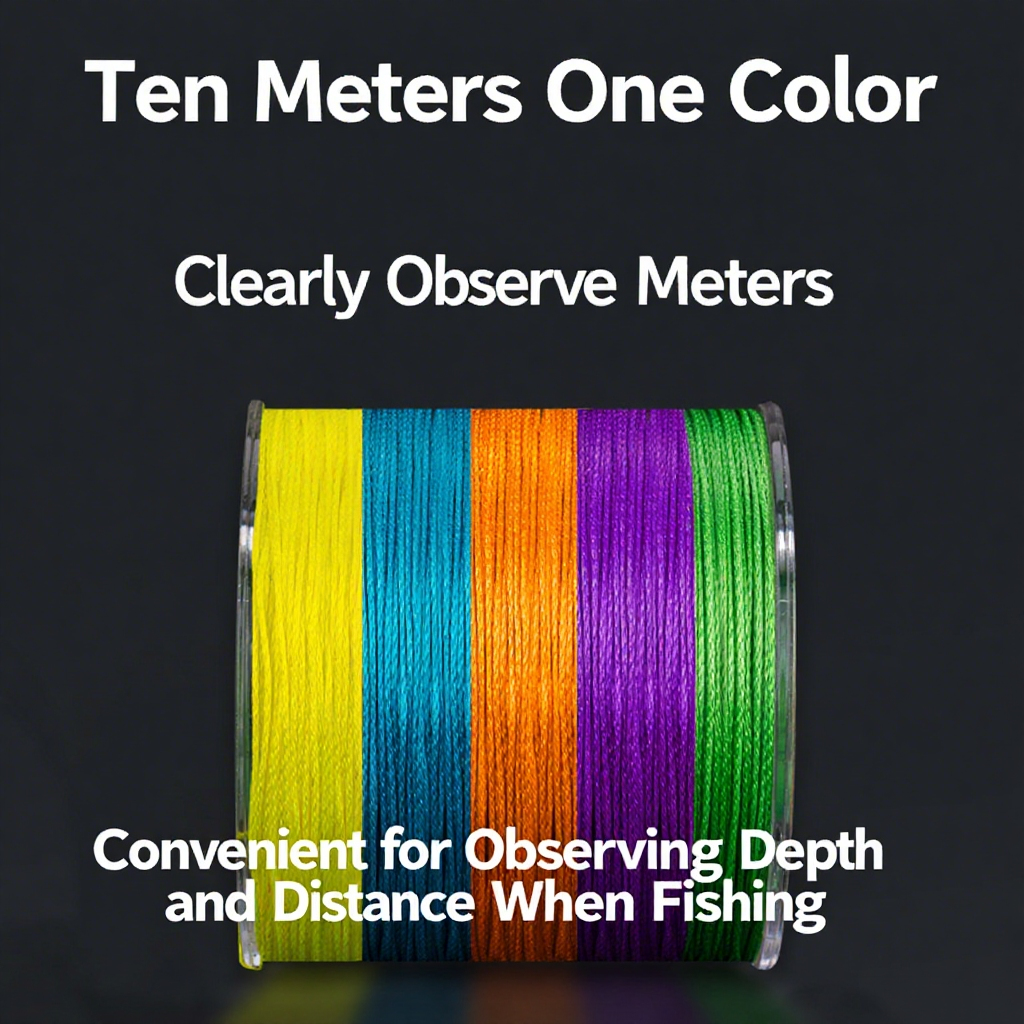
Your braided fishing line is the signal wire. Its zero-stretch property gives you instant feedback, letting you feel exactly when the fish transitions from "running" to "committed." For the leader, a quality fluorocarbon leader is essential. Its abrasion resistance handles the fish's rough mouth and body, and its near-invisibility can mean the difference between an inquisitive bump and a confident take.
Beyond Jigging: A Universal Principle
While this is gospel in jigging, it applies everywhere. Bass anglers "letting a fish eat a frog" before setting, carp anglers allowing a run before lifting into the fish—it's all the same principle. It’s about respecting the predator's natural behavior and using it to your advantage.
The Mindset Shift: From Reaction to Response
Ultimately, "give line first, then set the hook" is a mental discipline. It’s suppressing the primal reaction to jerk, and replacing it with a trained, tactical response. It feels wrong until you experience the rightness of a hook that stays solidly planted, fight after fight.
So next time that adrenaline hits, hear my guide's voice: Let him take it from you first.Lower the rod, feel the weight, give the line, and then—with total confidence—claim your prize.
What's the biggest fish you've ever landed or lost because of your hookset timing? Share your stories (the glorious and the painful!) in the comments below. 🎣💪
-
How to use a parabolic slow jigging rod for better hooksets
-
Step by step guide to give line first when shore jigging
-
Best drag settings for the give line fishing technique
-
Why a slow action rod helps prevent pulling the hook
-
Choosing between braid and fluorocarbon for jigging hooksets





Leave a comment