


Winter Bass: The Whisper & The Feather — Your Guide to Stealthy, Icy-Water Success ❄️🎣
Let's paint a scene. The water is the color of cold steel. Your breath hangs in the air, and every sound—the crunch of frost, the gentle lap of a wave—seems amplified in the silence. You make a cast. It feels good. But nothing happens. Not a tap, not a follow. The bass are down there, but they might as well be on another planet. If this winter frustration is familiar, I'm here to tell you the problem isn't the fish. It's likely your approach. The mantra for ice-cold, gin-clear water isn't power; it's persuasion. It's the art of the whisper, not the shout. And it all starts with one counterintuitive choice: a soft action fishing rod paired with thread-thin line.
I learned this not in a triumphant moment, but in one of humbling clarity. Years ago, on a brutal December day at Lake Martin, I was fishing behind a guide who was consistently putting fish in the boat. I was using my trusted tournament stick—a fast-action rod that could drive home a 3/0 hook. He was using what looked like a noodle. After watching me miss two subtle bites, he silently handed me his rod. The next cast, I felt something I hadn't all day: life. I felt the tiny weight of the jig, the soft kiss of it ticking a rock, and then, the faintest possible "tap... tap... hold." It wasn't a bite; it was a suggestion. I lifted the impossibly soft tip, and the rod simply folded over into a deep, satisfying bend. The fight was a tense, heart-pounding affair on light line, but we landed the bass. That day, I didn't just catch a fish; I had my entire winter approach rewritten.
The Cold-Blooded Truth: Why Bass Turn Into Skeptics
To outsmart winter bass, you must first understand their biology. When water temperatures plummet below 50°F (10°C), a bass's metabolism slows dramatically. They are not just lessactive; they enter a state of energy conservation. A study in the Transactions of the American Fisheries Societynoted that largemouth bass feeding activity can decrease by over 60% in cold water. They are not chasing. They are calculating.
Every movement is scrutinized against a cost-benefit analysis. A loud splash, a heavy thump, or the unnatural drag of thick line creates a "risk" their sluggish systems may reject. Your goal shifts from triggering an aggressive reaction to presenting an irresistible, zero-risk opportunity. This is where the "soft action + thin line" philosophy isn't just a tactic; it's a physiological necessity.
The Rod as a Shock Absorber & Signal Amplifier
A soft action fishing rod (often labeled Moderate or Moderate-Fast) is your primary tool for stealth. Its magic lies in two physical properties:
-
Forgiving Presentation: The deep, parabolic bend acts as a natural shock absorber. When you cast a lightweight jig or a small jerkbait, the rod loads deeply and unloads gently. This results in a quieter entry—more of a pffftthan a splash—that won't spook a wary, suspended bass. It also allows the lure to sink on a slightly slack line, giving it a more natural, fluttering descent.
-
Enhanced Sensitivity to Low-Frequency Signals: This is the subtle genius. While a fast-action rod excels at telegraphing high-frequency vibrations (like a vibrating jig), a soft-action rod is often better at amplifying the low-frequency "thuds" and "weight changes" of a cold-weather bite. According to rod design principles outlined by the American Sportfishing Association (ASA), the deeper bend engages more of the carbon fiber's inherent damping properties, filtering out the "noise" of your own retrieve and highlighting the slow, deliberate take of a winter bass. You don't feel a "bang"; you feel the line just get heavier.
The Invisible Connection: Why "Thin" Means Everything
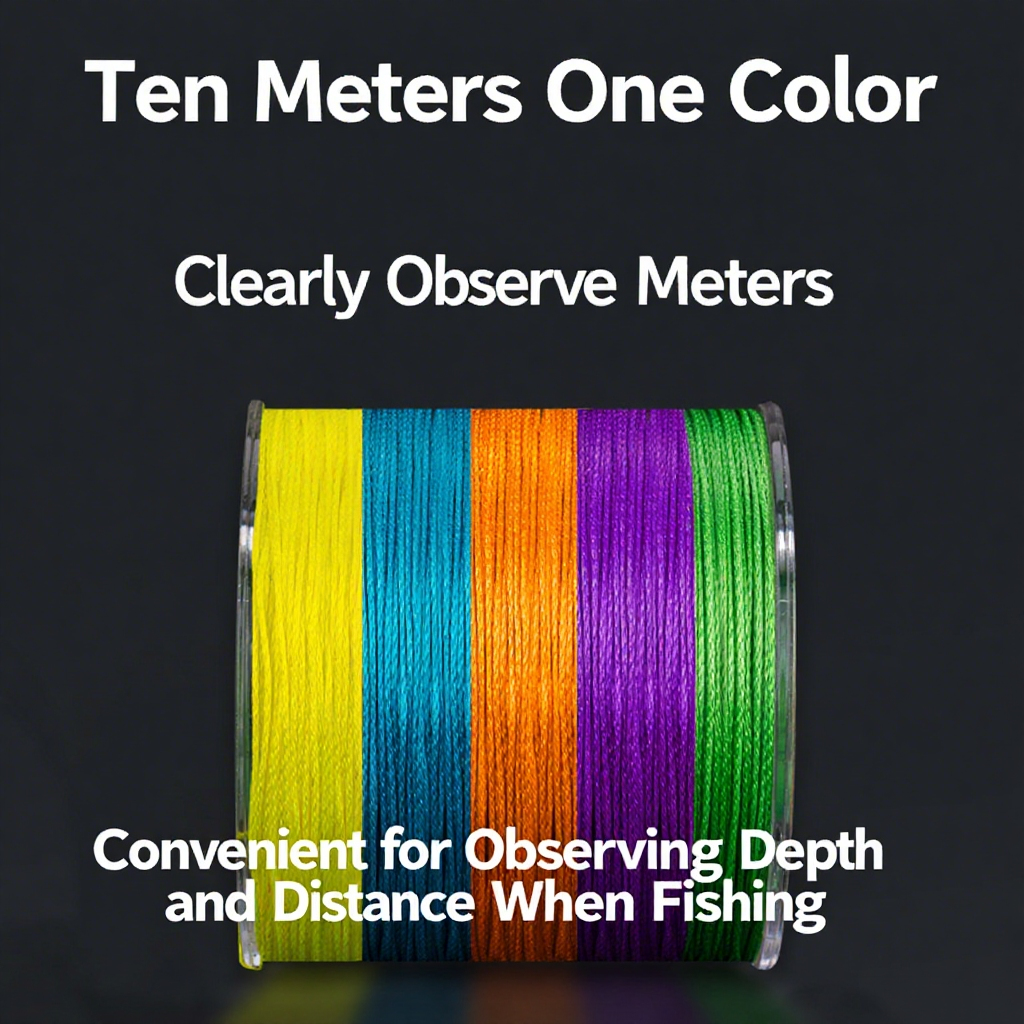
Your line is the only thing between the rod's signal and the fish's mouth. In winter, it must be as close to invisible as possible. Fluorocarbon line in the 6-10 lb test range is the undisputed champion here.
-
Light Refraction: Fluorocarbon's refractive index is closer to that of water than nylon, making it nearly disappear subsurface.
-
Zero Stretch? No, ControlledStretch: Unlike braid, fluoro has stretch. In winter, this is a benefit. That slight give prevents you from pulling a lightly hooked bait away from a bass that's just mouthing it. It acts as a secondary, micro-shock absorber, complementing your soft rod.
-
Abrasion Resistance: It handles the occasional brush with a sunken branch better than braid of equivalent diameter.
The combination is synergistic: the rod softens the presentation, the line hides the connection, and together, they transmit only the truest signal of a bite.
Expanding Your Winter Toolkit: Purpose-Driven Gear
While the soft-action spinning rod is the winter workhorse for finesse, understanding your full arsenal is key. Here are the high-search-volume gear categories for the dedicated cold-water angler:
-
Micro Fishing Rod for Sale: Don't let the name fool you. A true micro fishing rod isn't a toy; it's a hyper-sensitive instrument for downsized baits like hair jigs, tiny Ned rigs, or 1/16 oz marabou jigs. Their ultra-light power and soft action are perfect for detecting the most infinitesimal bites from both bass and panfish, making them deadly in ultra-clear, shallow winter coves.
-
Fly Fishing Rod for Bass Fishing: In winter, a 6 or 7-weight fly fishing rod for bass fishing isn't just for flies. It's the ultimate finesse tool for presenting lightweight plastic nymphs or small streamers with unparalleled delicacy and control. The long length and progressive action allow for precise mends and a drag-free drift—a killer technique for slow-moving, tailrace waters below dams where bass stack up.
-
Casting Fishing Rods for Jerkbaits: Yes, you can use a baitcaster! The key is selecting a casting fishing rod with a Moderate-Fast action in a Medium power. This rod has enough backbone to cast and work a suspending jerkbait, but its softer tip allows the bait to dart and pause with a more natural, less aggressive action. It gives the lure that tantalizing, dying-minnow shiver that triggers reaction strikes from otherwise inactive fish.
The On-the-Water Protocol: A Step-by-Step Mindset
Forget power-fishing. Adopt this methodical approach:
-
Slow Down. Then Slow Down Again. Your retrieve should be painfully slow. A jerkbait pause should last 10-20 seconds. A jig should be dragged, not hopped.
-
Watch Your Line. In cold water, a bass may inhale and exhale your bait without you feeling a thing. Any twitch, jump, or sideways movement of your line is a hookset.
-
Set the Hook with a Sweep, Not a Snap. When you do detect a bite, don't try to rip the bass's head off. A smooth, upward sweep of the rod, letting the soft blank do the work of burying the hook, is far more effective.
-
Fish the Warmest Water You Can Find. Focus on north-facing banks (they get the most sun in winter), areas near warm-water discharges, or deep, dark-bottomed bays that absorb solar heat.
Are You Ready to Listen?
Winter bass fishing is a puzzle of patience and physics. It rewards the angler who chooses the feather over the hammer. By pairing a forgiving soft action fishing rod with stealthy, thin fluorocarbon, you're not just changing your gear—you're changing your language. You're learning to speak in the quiet, deliberate terms a cold-water bass understands.
Start Your Deep Dive With These Specific Searches:
-
best moderate action spinning rod for finesse winter bass
-
fluorocarbon vs braid line for clear cold water fishing
-
how to fish a hair jig for winter bass with a micro rod
-
selecting the right fly rod weight for streamer fishing in winter
-
medium power moderate-fast casting rod for suspending jerkbaits
The icy water is waiting. It’s time to go make a whisper. Let me know in the comments—what’s your coldest, most memorable winter catch? 🐟✨





Leave a comment