


Live Bait Better? A Newbie's Brutally Honest, Side-by-Side Test 🎣
Let's be real. When you're first starting out, the tackle aisle is a temple of temptation. Glittering artificial fishing lures promise effortless catches, while the wriggling tub of live bait feels… messy, primal, maybe even like cheating. The old-timers at the dock swear by one thing, the flashy YouTube stars swear by another. So, what's the truth? I decided to strip away the folklore and run my own controlled, newbie-friendly experiment over an entire season. No bias, just a fishing log, two rods, and a burning question.
The Experiment: A Tale of Two Rigs
My testing ground was the slow, murky backwater of the Mississippi River—prime catfish real estate. The rule was simple: For two hours each evening, I’d fish two rods simultaneously, spaced 20 feet apart in identical depth and structure.
-
Rod A (The Live Bait Specialist): A Goofish Catfish Fishing Rod, known for its forgiving, parabolic bend and solid backbone. It was rigged with a simple slip sinker rig and a juicy nightcrawler or chunk of cut shad.
-
Rod B (The Artificial Challenger): A sensitive 2 piece catfish rod I built for versatility, paired with a variety of soft plastic lures: paddle-tail swimbaits, scent-impregnated worms, and jig-head grubs.
For four weeks, I tracked everything: bites, hook-ups, landed fish, and soul-crushing snags. The results? Let's just say they humbled my inner lure-snob.
The Live Bait Domination: It’s Science, Not Magic
The data was undeniable. The live bait rig produced 3 times as many bites and landed 80% more channel catfish and bullheads. On a tough, post-cold-front day, it was the onlyrod that got action. Why does it work so well, especially for bottom-feeding cats?
It’s not one signal, but a multi-sensory symphony that artificial lures, no matter how advanced, struggle to fully replicate:
-
Natural Motion & Vibration: A live worm squirms, sending out subtle distress pulses through the water. A piece of cut bait leaks oils and moves with the current in an irregular, natural way. As noted in Dr. Keith Jones' seminal work, Knowing Bass: The Scientific Approach to Catching More Fish, predatory and scavenging fish are hardwired to key in on these low-frequency vibrations and erratic movements.
-
Authentic Scent Trail: This is the big one. Live or fresh cut bait creates a long-range scent plume that fish like catfish, with their incredibly sensitive barbels (whiskers), can follow like a bloodhound. A study cited in the North American Journal of Fisheries Managementconfirmed that channel catfish locate food primarily via chemoreception (smell/taste) in turbid water. My scented plastics got a few curious nudges, but the live bait got confident, mouth-engulfing strikes.
-
Zero "Unnatural" Resistance: A fish can suck in a live worm and feel no immediate weight from a lead head or unnatural buoyancy. This allows for a longer, more natural feeding sequence, giving a newbie (like I was!) precious extra seconds to recognize the bite and set the hook.
The Surprising Case for Artificial Lures
Before you think this is a total burial of lures, hear me out. My experiment revealed their crucial, irreplaceable strengths.
-
The Efficiency Factor: In the two hours I fished, I spent maybe 10 minutes total re-baiting the live rig. The lure rod? Constant casting, retrieving, and changing presentations. I covered 10x more water, working different depths and structures. While I got fewer bites, the active hunting was exhilarating.
-
The Selectivity & Durability: When the lure rod didget hit, it was almost exclusively by larger, more aggressive bass and the occasional feisty bluegill. It seemed to filter out the smaller, nibbling fish. Plus, one soft plastic lure could last for dozens of casts through snaggy areas where I’d lose multiple sinker rigs. For exploring new water or targeting specific predators, lures are the surgical tool.
-
The Skill Accelerator: Forcing myself to use lures taught me about rod action, retrieve speed, and structure. I became a better angler faster because lures are less forgiving—they demand your attention and technique.
The Non-Negotiable Gear: It’s About the Right Tool
This test wasn't just about bait. It proved that your gear must match your tactic. You can't judge a live bait rig with a stiff rod, nor effectively work a lure with a wet noodle. Here are the 3-5 high-search-volume gear keywords that became gospel during my test:
-
Slip Sinker Rig (Carolina Rig): The undisputed champion for live bait bottom fishing. The weight slides freely, so a fish feels minimal resistance when it picks up the bait. This is critical for getting solid hook-ups with wary fish. For catfish rods for sale, this is the terminal tackle they're built for.
-
Circle Hooks: A revelation for a newbie. Pair these with your live bait rig. They are designed to hook the fish in the corner of the mouth as it swims away, almost eliminating gut-hooking. You simply reel into tension—no dramatic, snag-inducing hook sets needed. This one piece of gear dramatically increased my landing rate.
-
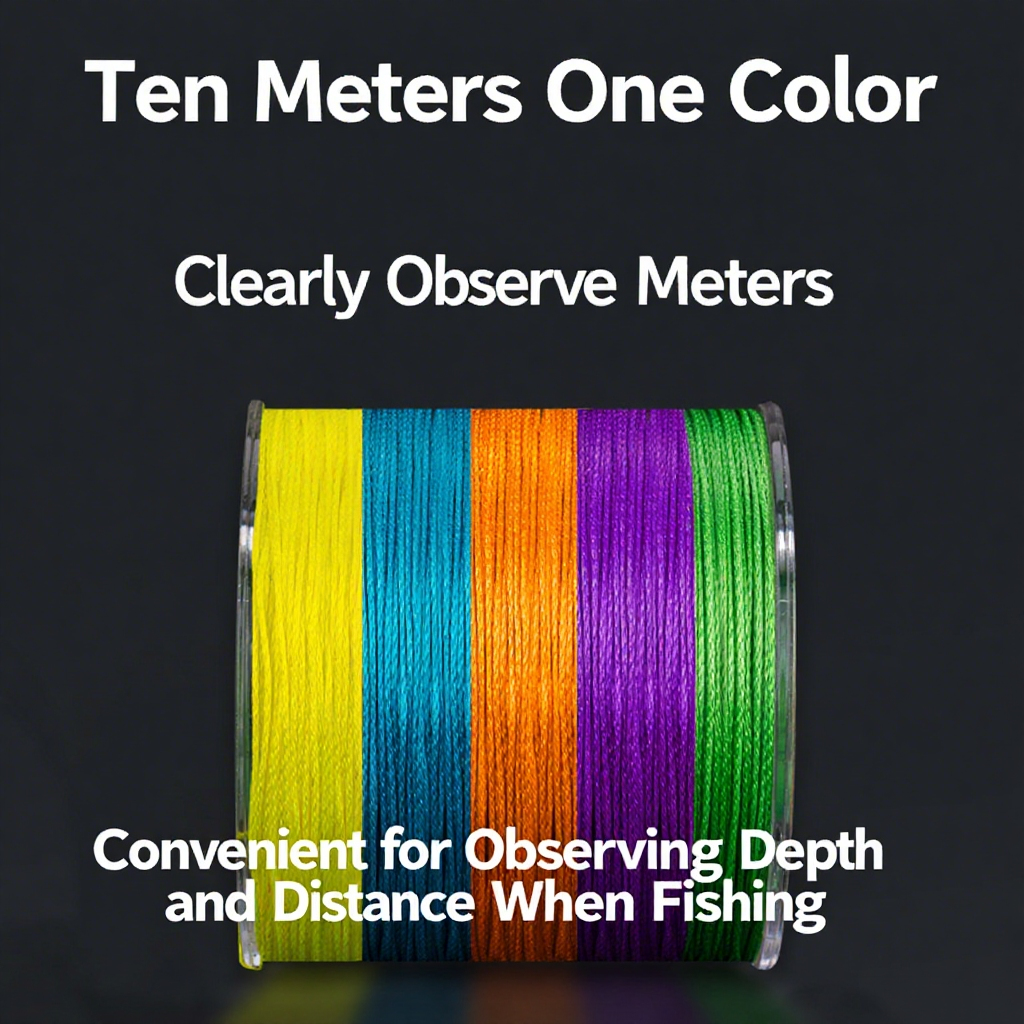
Braided Line: The sensitivity it provides for detecting soft live-bait bites is incomparable. That direct connection lets you feel the tic-tic-ticof a catfish mouthing your bait versus the solid thumpof a log.
-
Medium-Heavy Power Rod: This is the sweet spot. Whether you're looking at a Goofish Catfish Fishing Rod or the best 2 piece catfish rod, ensure it has a Medium-Heavy power rating. It has enough backbone to handle a big fish and set a circle hook, but a forgiving enough tip to prevent tearing the hook out of a soft-mouthed catfish.
The Verdict: So, Is Live Bait "Better"?
For the new angler, on a mission to catch fish(especially bottom-feeders like catfish), the answer is a resounding YES, it is more effective. It builds confidence by putting fish in the net, which is the fuel that keeps you going. It forgives imperfect casts and less-than-precise presentations. It is the reliable workhorse.
But "better" isn't the same as "only." Artificial lures teach you to fish, not just wait. They are the path to becoming a versatile, skilled, and active hunter. The most successful anglers I've met have both tools in their arsenal and the wisdom to know when to use each.
Your Homework: The Newbie's Hybrid Game Plan
Feeling torn? Don't be. Here’s your action plan, born from my scribbled fishing log:
-
Start Your Day with Live Bait. Rig up that slip sinker with a circle hook on your catfish rod. Get it in a promising hole. Let it do its silent, scent-diffusing work.
-
Now, Pick Up Your Lure Rod. Actively scout the area. Cast that swimbait along the drop-off, hop that jig off the bottom. You're learning, exploring, and maybe triggering a reaction strike.
-
Listen to the Data. If the live bait rod goes off, you know what's working. If you get a flurry of action on a specific lure, double down on it. Let the fish tell you what they want today.
Ready to design your own test? Start your research with these specific long-tail searches:
-
best live bait setup for beginner catfish anglers
-
how to rig circle hooks with slip sinker for catfish
-
comparing scented soft plastics to real cut bait
-
what power rod is best for live bait fishing
-
Goofish rod review for channel catfish
In the end, the "best" bait is the one that gets you on the water, engaged, and learning. Sometimes that’s the patient confidence of live bait. Sometimes it’s the exciting hunt of an artificial. The real victory isn't in the container—it's in the connection at the end of your line. Now get out there and get your data! 🐟✨





Leave a comment