


Catfish with Conventional Fishing Rod: Decoding the Night Light & Tip Sensitivity Equation
Let's talk about a moment of pure, unadulterated fishing magic. It's 2 AM. The world is reduced to the circle of light from your headlamp and the profound silence of a black-water lake. Your bait is out there somewhere in the dark. Then, without warning, the very tip of your rod—a slender silhouette against the starry sky—trembles. Not a slam, not a run. Just a hesitant, ghostly tap… tap… tap. You wait, heart thumping. The rod tip arches down steadily, loading up with a purpose that screams "catfish." You engage the reel and lean into a solid, throbbing weight. That moment, where technology meets instinct in the dark, is what we're here to unlock. And it hinges on a powerful, simple equation: Night Light + Tip Sensitivity = Magic.
This isn't just theory. It's a system I've honed over countless muggy nights on the Mississippi backwaters, and it failed me utterly the first time I tried it.
The Night Everything Went Wrong (So You Can Get It Right)
I was eager, equipped with a bright camping lantern and my trusty bass rod. The theory was sound: light attracts bugs, bugs attract baitfish, baitfish attract cats. I set up, bathing my area in a harsh, white glow. All I attracted were moths and frustration. My stiff-tipped rod told me nothing. I felt like I was fishing in a void.
The breakthrough came from an old-timer at the dock. He pointed to my lantern and said, "You're scaring 'em. You're a spotlight on a stage. They're in the audience, in the dark." He showed me his setup: a single, submersible green LED light tethered off the side of his boat, and a long, parabolic rod with a tip so fine it looked like it would break. That night, watching his rod tip dance and dive in the dim green glow, I understood. The light wasn't for me to see. It was to create a controlled ecosystem. And the rod wasn't a tool to set the hook; it was a high-precision sensor to interpret it.
Part 1: The Night Light – Not Illumination, But Invitation
Forget lighting up the water like a football field. The goal is strategic attraction, and the color science is crucial.
-
The "Why": The Food Chain Cascade. Submersible lights, particularly in green and white spectra, stimulate phytoplankton and zooplankton (tiny water organisms). This creates a "bioluminescent" buffet. Small baitfish like shad and minnows swarm to feed on this concentrated plankton. Large, opportunistic predators—like catfish—then move in to feast on the gathered baitfish. A study by the Freshwater Fisheries Society noted that certain light wavelengths can increase zooplankton concentration by over 300% in a localized area within 30 minutes.
-
The "How": Color & Placement.
-
Green LEDs: Penetrate water exceptionally well and are highly attractive to plankton and baitfish. They create a classic, effective fishing zone.
-
White LEDs: Attract a broader spectrum of insects and baitfish. Can be very effective but may also attract more unwanted bycatch.
-
The Pro-Tip: Don't cast your bait directly into the brightest part of the light cone. Catfish are ambush predators. Place your bait on the fuzzy edge of the light ring, where the shadow meets the glow. That's where a lurking flathead or blue cat will station itself, hidden but ready to strike.
-
Part 2: Tip Sensitivity – Your Telepathy in the Dark
When visual cues vanish, your sense of touch is everything. Your rod tip becomes your eyes. This is where the conventional rod shines—not despite its simplicity, but because of it.
-
The Physics of Feel: Sensitivity is the rod's ability to transmit high-frequency vibrations (the bite) from the line, through the blank, to your hand. A highly sensitive tip acts as a low-amplitude lever, magnifying these tiny signals. The blank material is key:
-
High-Modulus Graphite: Extremely efficient at transmitting vibrations, offering crisp, real-time feedback. It's like switching from standard definition to 4K. The Shimano Tallus conventional fishing rod utilizes advanced graphite constructions to achieve this, making even the most tentative catfish "mouthing" of a cut bait feel distinct.
-
Nano-Enhanced Composites: Rods like the goofish solid nano conventional fishing rod incorporate nano-materials (like silica particles) into the resin. This doesn't just make the blank stronger; it creates a more uniform cellular structure that dampens "noise" (like minor current pulls) while enhancing the "signal" (the bite), resulting in a uniquely informative feel.
-
-
Action is Everything: For night fishing, a medium-heavy power with a fast or extra-fast action is ideal. The fast action means the sensitive tip section does the detecting, while the powerful mid and butt section stand ready to drive the hook and muscle the fish from cover. It's the perfect balance of finesse and force.
The Gear Synergy: Building Your Nocturnal Command Center
Your tools must work in concert. Here’s how the gear from your search forms a perfect system.
-
The Nerve Center: The Rod. This is your primary sensor. Whether you choose the refined feedback of the Shimano Tallus or the dampened precision of a goofish solid nano rod, prioritize a blank that speaks clearly. For the ultimate in bite detection, pair it with a high-visibility, soft silicone rod tip (like a Catfish Charlie Rattler) that amplifies the slightest movement.
-
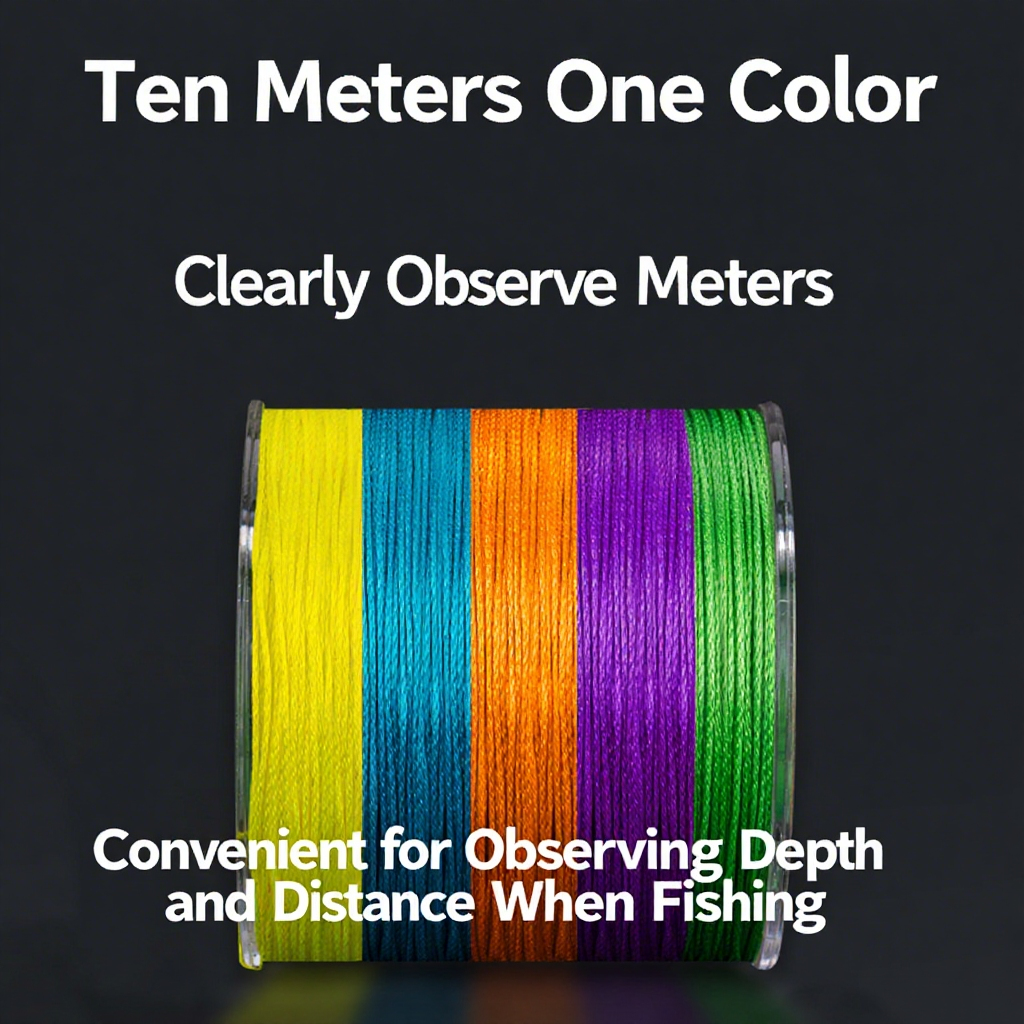
The Power Plant: The Reel. This isn't about fancy braking systems. It's about smooth, relentless power and line management. A robust Shakespeare conventional reel, known for its durability and smooth drag, is a classic choice. Spool it with 30-50 lb braided line. Braid has zero stretch, meaning every vibration from that sensitive tip is a direct transmission from the fish's mouth. Use a 2-3 ft fluorocarbon leader (50-80 lb) for abrasion resistance against rough mouths and structure.
-
The Complete System: The Combo. For those starting out or wanting guaranteed harmony, a pre-matched saltwater conventional fishing rod combo designed for heavy-duty use is a smart choice. These combos ensure the reel's power and line capacity are perfectly balanced to the rod's action and power, taking the guesswork out of setup.
The No-Fail Nocturnal Protocol
-
Setup: Anchor or position your boat. Deploy your submersible light (green is my go-to) 10-15 feet downwind. Let it cook for at least 45 minutes to establish the food web.
-
Rigging: Use a simple sliding sinker rig (Carolina rig). The weight holds bottom, but the fish can pick up the bait without feeling resistance. Circle hooks (in the 5/0 to 8/0 range) are mandatory for their near-automatic hookset in the jaw hinge.
-
Presentation: Cast your bait to the perimeter of the light's halo. Engage your reel, take up slack until you feel the weight, and place your rod in a holder. Position yourself so you have a clear, silhouette view of that ultra-sensitive rod tip against the night sky.
-
The Strike & Set: Watch for the "language" of the tip. A series of sharp taps may be a baitfish. The magic sign is a deliberate pull-down and hold. With a circle hook, don't jerk! Simply pick up the rod, point it at the fish, and start reeling with steady pressure. The rod will do the rest.
Conclusion: Becoming a Creature of the Night
Night fishing for catfish with a conventional rod transforms you from a passive participant to an active interpreter of a hidden world. The night light sets the stage, creating a theater of life. The tip sensitivity of your rod provides the script, translating every subtle cue. When you pair them with purpose-built gear, you're not just hoping for a bite. You're orchestrating one.
Now, get out there. Turn off the headlamp, trust your gear, and read the dark.
What's your most memorable night catfish catch? Do you prefer green or white lights? Share your own nocturnal secrets and stories in the comments below! 🐟✨
-
How to choose between green vs white underwater lights for catfish
-
Best rod tip material for sensing light nighttime catfish bites
-
Setting up a Carolina rig for night fishing with a conventional reel
-
How deep to submerge your fishing light for maximum catfish attraction
-
Circle hook size guide for channel vs flathead catfish at night
-
Troubleshooting: why am I not catching catfish under my lights?





Leave a comment