


The Mackerel Missile Launcher: Why Your Rod's Butt is Your Secret Weapon
Let’s cut straight to the chase. Shore jigging for mackerel isn’t a gentle art; it’s a fast-paced, high-energy sprint. You’re not just fighting a fish; you’re racing against a school that can vanish in seconds and battling the relentless power of waves and current. The rod you choose isn’t just a tool—it’s your leverage against chaos. I learned this not through gradual understanding, but in a single, adrenaline-soaked moment on a rocky jetty.
I was using what I thought was a capable rod—a medium-power stick that handled other species well. A massive school of Spanish mackerel boiled the surface 80 feet out. I launched a metal jig, hooked up instantly on the retrieve, and then… nothing. The fish took off on a blistering run parallel to the shore, and my rod folded into a deep, parabolic bend from the tip right down into the midsection. I had no stopping power, no lift. I was a passenger. After a frantic minute, the hook pulled. The rod’s soft, forgiving butt, a blessing for other fish, was a catastrophic liability here. The next cast, I grabbed my buddy’s dedicated stick—a true heavy shore jigging rod built like a pry bar. The difference was instantaneous, brutal, and effective. When the next fish ran, I could plant my feet, lean back, and use the rod’s strong butt section as a genuine lever to turn its head. That’s the moment I understood: for mackerel, the butt isn’t just part of the rod; it’s the foundation of your speed.
The Physics of Speed: It’s a Leverage Game, Not a Strength Test
You don’t “muscle” a mackerel in. You use physics to redirect its energy. This is where rod design becomes critical engineering.
-
The Power Triangle: Imagine a triangle formed by your two hands on the rod and the fish at the end of the line. The butt section is the triangle’s base. A strong butt provides a stable, rigid platform. When a mackerel makes its signature sizzling run, a weak butt compresses, absorbing your pumping energy and giving the fish a critical moment of slack. A powerful butt transfers that energy directly down the line, keeping constant pressure and forcing the fish to fight the rod’s entire spring, not just the tip.
-
Hook-Set Authority: Mackerel have notoriously tough, bony mouths. A solid hook set is non-negotiable. A fast-action tip (common in good jigging rods) provides the initial strike speed, but it’s the stiff butt that delivers the follow-through power, driving the hook point home against the force of a fleeing fish. Research on hook penetration mechanics in pelagic species often cites the need for sustained pressure after the initial strike—pressure generated by a rod with a powerful backbone.
-
The “Lift and Wind” Cadence: Successful jigging is a rhythmic “lift-pump, wind-down” motion. A soft butt robs you of efficiency. On the pump, it flexes too much, wasting energy. On the wind-down, it doesn’t recover quickly enough to maintain line tension. A medium shore jigging rod or heavy shore jigging rod with a stiff lower section allows for a crisp, powerful pump and an immediate, controlled drop, keeping your jig in the active strike zone.
Decoding the Lineup: Choosing Your Mackerel Lever
Your choice of rod is your strategic declaration. The three primary classes—light, medium, and heavy shore jigging rod—are tools for different conditions and techniques.
1. The Lightweight Assassin: Finesse and Fury
-
The Profile: Typically 7-8 feet, with a fast action but a notably stiff lower third. It feels whippy in the tip but has a solid core.
-
The Mission: This is your go-to for calmer days, smaller Spanish or chub mackerel, and when using lighter metal jigs (20-60g). Its lighter weight reduces fatigue for hundreds of casts, and the sensitive tip is perfect for working slender, fluttery jigs that mimic anchovies. It’s about precision and endurance over raw power.
-
Real-World Match: Pair it with a 3000-4000 size high-speed spinning reel spooled with 15-20lb braid. This setup is a finesse rocket for clear water and wary fish.
2. The Medium-Gauge Workhorse: The Versatile Powerhouse
-
The Profile: Often 8-9 feet, with a fast or extra-fast action and a backbone that means business. This is the sweet spot for probably 70% of shore-based mackerel anglers.
-
The Mission: This rod handles the majority of conditions. It can cast 40-100g jigs into a headwind, control a feisty mackerel in a surging wash, and provide the power needed for a fast retrieve. It offers the perfect balance of casting distance, jigging action, and fish-fighting control. When the product description says “powerful butt section for lifting,” this is what they mean.
-
Gear Synergy: This rod begs for a 5000-6000 size reel. A high-speed spinning reel with a 6.2:1 or higher gear ratio is ideal for rapid retrieves. Match it with 30-40lb braid for a balance of casting performance and stopping power.
3. The Heavy Artillery: For When Conditions Declare War
-
The Profile: 9 feet and up, built like a freight train. The action is fast, but the entire blank is stiff, with a butt section that feels like it could lift a small anchor.
-
The Mission: Big surf, strong currents, targeting large king mackerel (kingfish) from high piers or rock walls, or when you need to launch 120g+ jigs to distant boils. This rod isn’t about finesse; it’s about delivering maximum power over maximum distance and controlling a powerful fish in treacherous terrain.
-
System Build: This requires a large-frame 8000+ reel with a massive drag and a high retrieve rate. Use 50-65lb braid. The rod, reel, and line work as a single, brutal unit designed to dominate.
Beyond the Rod: Building the Complete Speed System
The rod is your lever, but the rest of your gear is the mechanism it turns.
-
The Reel: Your Transmission. A high-speed spinning reel (look for a gear ratio of 6.0:1 or higher) is non-negotiable. Mackerel often strike on the fast retrieve. Every turn of the handle must recover maximum line to keep the jig’s action aggressive and to get the fish to the shore quickly before sharks or seals intervene.
-
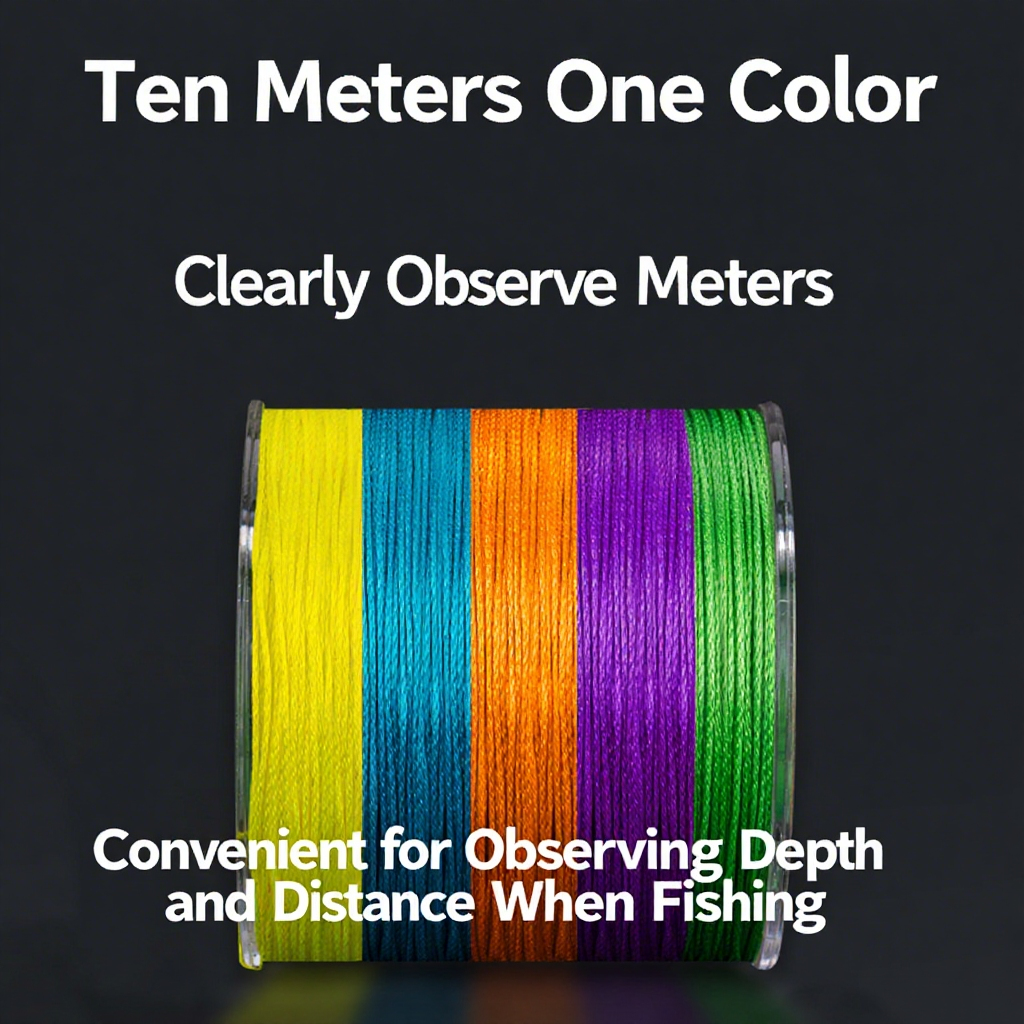
The Line: Your Direct Connection. Use thin, sensitive braided line. Its near-zero stretch ensures every ounce of power from your rod’s strong butt is transmitted directly to the hook. It also allows you to feel the lightest tap and the jig’s action perfectly.
-
The Lure: The Trigger. Your mackerel lure is the final piece. Metal jigs are the universal choice—slender ones for casting distance and fluttering action, heavier wedge-shaped ones for punching wind. Their erratic, flashy dart on the retrieve is what triggers the mackerel’s predatory instinct.
Your Decision Matrix: Which Lever is Yours?
Ask yourself:
-
What are my primary target species and their average size? (Spanish mackerel vs. kingfish)
-
What are my typical fishing conditions? (Calm harbor vs. windswept ocean pier)
-
What’s my dominant jigging style? (Fast, erratic retrieves or slower, deeper hops?)
The Pro’s Insight: Many serious shore jiggers own both a medium shore jigging rod for all-round use and a heavy shore jigging rod for specific, brutal conditions. The light shore jigging rod is a specialist’s tool for finesse or a backup for lighter days.
Ultimately, choosing a shore jigging rod for mackerel is about acknowledging the fight’s nature. It’s fast, it’s horizontal, and it demands control from the second the hook is set. By selecting a rod with a strong butt, you’re not just buying graphite and guides—you’re buying leverage, speed, and the decisive power to turn a blistering run into a fish on the rocks.
What’s your go-to shore jigging stick for mackerel? Have you had a ‘light bulb’ moment where the right rod made all the difference? Share your setups and stories in the comments below! 🎣⚡





Leave a comment