


Saltwater Jigging at Dawn & Dusk: Why Early Mornings Hold the Secret to Monster Catches (With My Go-To Gear & Pro Tips)
There’s something magical about slipping into the water at dawn—the sky bleeds orange, the air hums with silence, and fish? They’re hungry. Over years of chasing saltwater species, I’ve learned that dawn and dusk aren’t just “good times to fish”—they’re game-changers. Let’s break down why early hours dominate, the gear that’ll level up your game, and the real-world tactics that turned my average trips into legendary sessions.
Why Dawn/Dusk Rule for Saltwater Jigging
Fish don’t just bite randomly—they react to light, pressure, and biology. Here’s the science (and my on-water proof):
1. Light = Visibility & Aggression
At dawn, sunlight filters weakly through the water column. Predators like grouper, snook, and mackerel use this low-light window to hunt without being seen—their prey (baitfish, crabs) haven’t fully scattered yet. By dusk, the reverse happens: fading light disorients smaller fish, making them easy targets.
I’ll never forget my first dawn trip for redfish. The water was glass-calm, and the sun peeked just above the horizon. My lure barely hit the surface when a 20-inch redfish smashed it—no hesitation. Later, a marine biologist friend explained: “Low light triggers a ‘feed now’ response in predators. They know they’ve got a short window before prey spooks.”
2. Less Pressure, More Bites
Recreational anglers flood the water midday. At dawn/dusk, you’ll often have spots to yourself. Fewer boats mean less noise, fewer scared fish. During a summer dusk session, my buddy and I had a jetty to ourselves—we caught 12 snapper in 90 minutes. Two hours later, a crowd showed up, and the bite died. Coincidence? Nope.
Gear That Transforms Your Dawn/Dusk Jigging
Let’s talk tools. You don’t need a $1,000 setup, but quality gearmakes a difference when light is low and fish are finicky. Here’s what I trust:
A. Rods: The Backbone of Your Setup
Not all saltwater rods are created equal. For dawn/dusk jigging, I prioritize sensitivity and action.
-
Spinning Rods: Ideal for light lures and long casts. My go-to? A 7’ medium-heavy spinning rod (think St. Croix Mojo Inshore). It bends enough to feel subtle bites at dawn but has backbone for fighting snapper. Pro tip: Test the rod’s action by flicking the tip—if it snaps back cleanly, it’ll cast lures smoothly (even when you’re half-awake at 5 AM 🤣).
-
Baitcasting Rods: Better for heavy jigs or when wind picks up at dusk. A 6’6” medium-fast baitcaster handles larger lures and lets you control retrieve speed—key for mimicking injured baitfish.
B. Reels: Match the Rod (and the Conditions)
-
Spinning Reels: Look for ones with smooth drag (I love Shimano Stradic FL). Dawn/dusk bites can be light—you don’t want your drag slipping.
-
Baitcasting Reels: Prioritize gear ratio (5:1 to 6:1 for versatility) and line capacity. Daiwa Tatulais a workhorse for offshore jigging.
C. Lures: Match the Hatch (and the Light)
At dawn, colors matter less—low light means fish rely on vibration. Try:
-
Soft Plastics: 3”-4” jerk shads (like Keitech Swing Impactin white or pearl) or paddletails.
-
Jigs: 1/2oz–1oz bucktail jigs with grub tails (Berkley Gulp!or Hula Grubs).
At dusk, go bold! Fish can see better, so use:
-
Hard Baits: Topwater poppers (Yo-Zuri Hydro Minnow) or crankbaits (Lipless Rattles).
-
Fluorescent Lures: Reds, pinks, and chartreuse glow under low light—Spro Bronzeye Jerkbaitin firetiger works wonders.
D. Line & Leader: Don’t Skimp
-
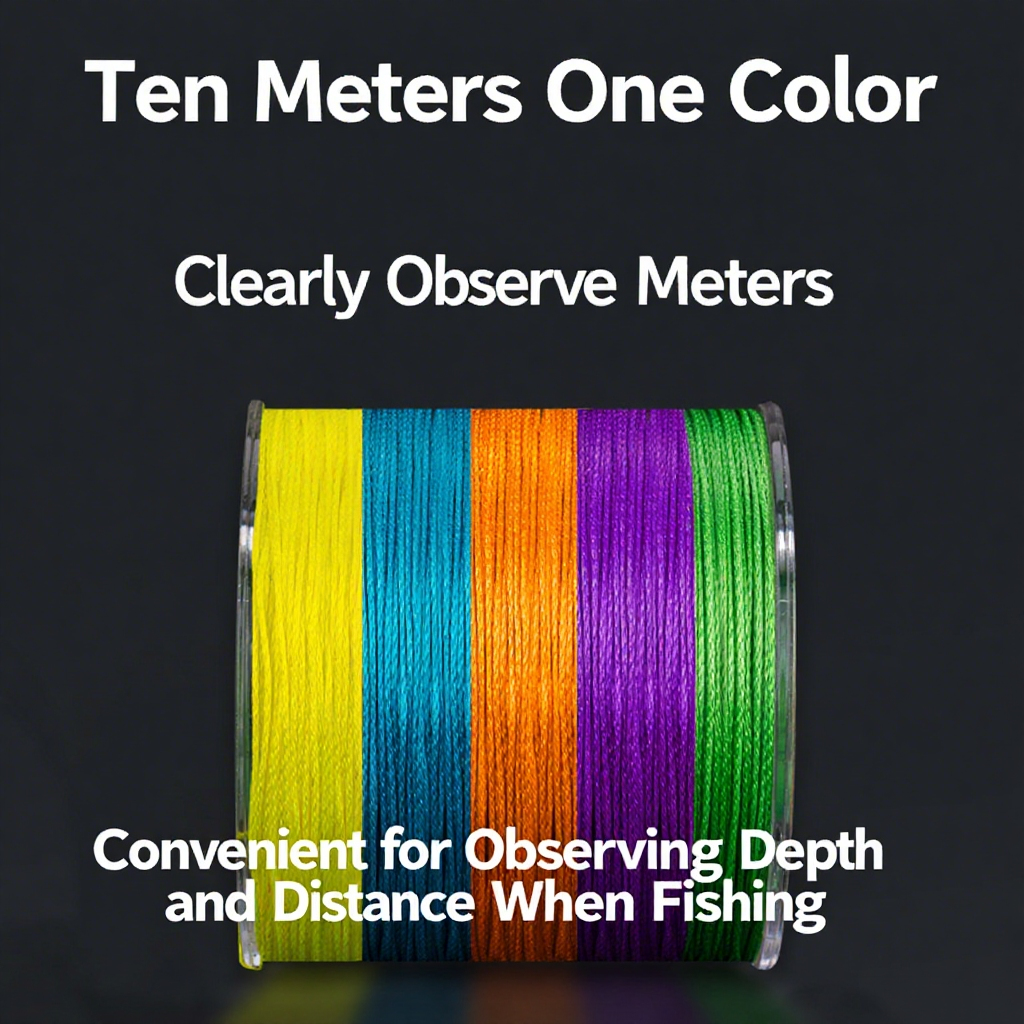
Main Line: 15-20lb braid (PE 2-3). Braid casts farther and stays strong in current. PowerProor Berkley Firelineare staples.
-
Leader: 20-30lb fluorocarbon. It’s invisible underwater and resists abrasion—critical for snag-prone areas.
E. Bonus: My Weird “Goofisch” Trick
My buddy swears by a goofyretrieve—jerking the rod tip erratically, then pausing. He calls it the “goofish” technique (don’t ask why 🤷♂️). One dawn, while targeting grouper, I tried it on a jerkshad. A 15-pound gag grouper ate it on the pause. Now? It’s my secret weapon at first light.
Mastering Techniques for Early Movers
Fishing at dawn/dusk isn’t just about gear—it’s about howyou use it. Here’s how to adapt:
1. Casting: Be Gentle
Low light means fish are close to structure (rocks, jetties, oyster beds). A loud, splashy cast scares them. Use a “roll cast” or slow, controlled overhead cast. Practice at home—your neighbors will think you’re weird, but your catch rate will thank you.
2. Retrieve: Mimic Prey
Dawn: Baitfish are sluggish. Use slow, steady retrieves with occasional twitches.
Dusk: Prey is active—faster retrieves, more aggressive jerks.
Pro move: Count downyour jig after casting. Drop it 5 seconds, then start reeling. Adjust based on depth—if you’re in 15ft of water, count to 8.
3. Location: Target Transition Zones
At dawn, fish move from deep to shallow to feed. Focus on:
-
Drop-offs near flats
-
Channel edges
-
Oyster bars
At dusk, they retreat to deeper water. Anchor near ledges or drop a buoy to mark productive spots.
Avoid These Rookie Mistakes
Even pros mess up at dawn/dusk. Skip these errors:
-
Ignoring Tides: Most species feed strongest during tidal changes. Check tide charts beforeyou leave.
-
Using the Wrong Bait Size: Dawn/dusk calls for smaller lures—predators target easier meals. Downsize from your midday setup.
-
Overlooking Safety: Dawn means low visibility. Wear a life jacket, and tell someone your float plan.
Real Talk: My Best Dawn Jigging Session
Last month, I woke up at 4:30 AM for a redfish trip. The alarm felt like a punch, but I loaded my gear (St. Croix rod, Shimano reel, and a box of soft plastics) and hit the water.
The sun wasn’t up, but the sky glowed purple. I cast a 3” jerkshad near a mangrove island—no bites. Then, I switched to a slower retrieve, twitching the rod every 3 seconds. SMACK. A redfish shot out of the shadows, dragging my lure across the sand. After a 10-minute fight, I landed a 24-inch beauty.
As the sun rose, I realized: This is why we fish dawn. The quiet, the fight, the feeling of outsmarting a predator before most people finish their coffee*.
Final Verdict: Dawn/Dusk Isn’t Optional
If you’re serious about saltwater jigging, make dawn and dusk non-negotiable. The science, the gear, and the stories prove it—these hours are when giants roam.
Got a dawn/dusk success story? Drop it in the comments—I wanna hear how you out-fished the sunrise! And if you need gear recs, slide into my DMs (shameless plug, but hey—good fishing is worth sharing 🎣).






Leave a comment