


Saltwater Fishing Rod Power vs Action: Stop Guessing, Start Catching!
Hey Anglers! 👋
Let’s cut to the chase. You’re here because you’ve felt that heart-dropping moment. The line screams, the rod arches, and then… ping. The fight is over before it began. Or maybe you’ve struggled to feel a subtle tap-tap on the line, missing strikes from wary fish. If this sounds familiar, the culprit often isn’t your skill—it’s a mismatch between your rod and your mission.
Understanding saltwater fishing rod power vs action isn’t just tackle-box trivia; it’s the fundamental language of your gear. It’s the difference between a connected, controlled fight and a story about "the one that got away." I learned this the hard way, years ago, battling a stubborn snapper in the Gulf that simply refused to come off the bottom. My rod was a limp noodle. I had the drag cranked, my back ached, and I was losing ground. That day taught me more about rod backbone than any catalog ever could.
So, grab a drink, and let’s dive deep. This is your ultimate, no-fluff guide to speaking "rod" fluently.
Part 1: Rod Power – Your Gear’s Backbone (Literally)
Think of rod power as its spine. It’s a measure of the rod’s overall strength and resistance to bending under load. In simple terms, it tells you how much muscleyour rod has to lift and control a fish.
The Power Spectrum (From Ultra-Light to Heavy):
-
Light/Ultra-Light: Think inshore panfish, small trout, or bait-catching. Delicate, fun, but not for bulldogs.
-
Medium: The versatile workhorse. Perfect for inshore species like spotted seatrout, redfish, and striped bass. It’s my most-grabbed rod for a mixed bag day.
-
Medium-Heavy: The sweet spot for serious saltwater anglers. It handles bigger lures, sets hooks at depth, and provides the leverage for fish like snook, larger striped bass, and grouper (in less-structure situations). This is the power I wishI had for that Gulf snapper!
-
Heavy/Extra-Heavy: Offshore and structure specialists. Built for pulling tuna away from the school, winching grouper from wrecks, or handling heavy tackle for sharks.
The Pro Tip from the Field:A study cited by the American Fishing Tackle Association (AFTA) emphasizes that using a rod with insufficient power for your target species significantly increases the risk of deep-hooking and harming the fish, reducing survival rates after release. Match the power to the fish, for their sake and yours.
Part 2: Rod Action – Where Your Rod Does Its Talking
If power is the spine, then rod action is the nervous system. It describes wherethe rod bends along its blank. This is all about communication and response.
The Action Breakdown (From Slow to Extra-Fast):
-
Slow Action: Bends deep into the butt. Fantastic for casting light lures gently and protecting light line, but hook-setting can feel sluggish.
-
Moderate (or "Regular") Action: A smooth, parabolic bend through the middle third. Excellent for treble-hook lures (like topwater plugs) as it keeps constant pressure without ripping hooks free.
-
Fast Action: Bends primarily in the top 25-30%. This is the saltwater superstar. It gives you lightning-fast hook-sets, superior sensitivity to feel light bites, and pinpoint casting accuracy. When I’m sight-fishing for spooky bonefish on the flats, a fast-action rod is non-negotiable.
-
Extra-Fast Action: Mostly just the tip flexes. Ultimate sensitivity for techniques like jigging or working soft plastics vertically. It telegraphs every rock tap and fish nibble directly to your palms.
The Magic Formula: Power + Action in the Real World
Let’s make it real. Here’s how I pair them:
-
Inshore Redfish with Jigs: Medium-Heavy Power, Fast Action. The power handles wind and current; the fast action drives the hook home through a tough mouth and lets me feel the lure "click-clack" along oyster beds.
-
Surf Casting for Stripers: Heavy Power, Moderate-Fast Action. The power launches heavy metal and holds in big surf. The moderate-fast bend helps with casting distance and cushions the head-shakes of a big fish on a long line.
-
Deep Dropping for Grouper: Extra-Heavy Power, Fast Action. The power is for winching. The fast action is critical to feel the subtle "tic" of a bite 200 feet down and set the hook upward instantly.
Part 3: Beyond the Rod – Building Your Saltwater System
A legendary fishing rod (or as some old-timers charmingly call it, a fishing pole) doesn’t work in a vacuum. It’s the conductor of an orchestra. Choosing the perfect fishing rod and reel combo is where the synergy happens. For most saltwater applications, I lean towards a matching fishing rod combo from a reputable brand, as they’re engineered to balance perfectly. A well-curated fishing rod set—say, a fast-action inshore rod and a slower-action popping rod—covers 90% of your adventures.
But your system needs more! Let’s integrate those other critical, search-proven keywords that complete your arsenal:
-
Fishing Reel: This is your engine. A smooth, sealed fishing reel with a reliable drag is paramount. I learned this after a costly reel seizure post-surf session. Saltwater is brutal. Pair a heavy-power rod with a high-capacity spinning reel or a lever-drag conventional reel for trolling.
-
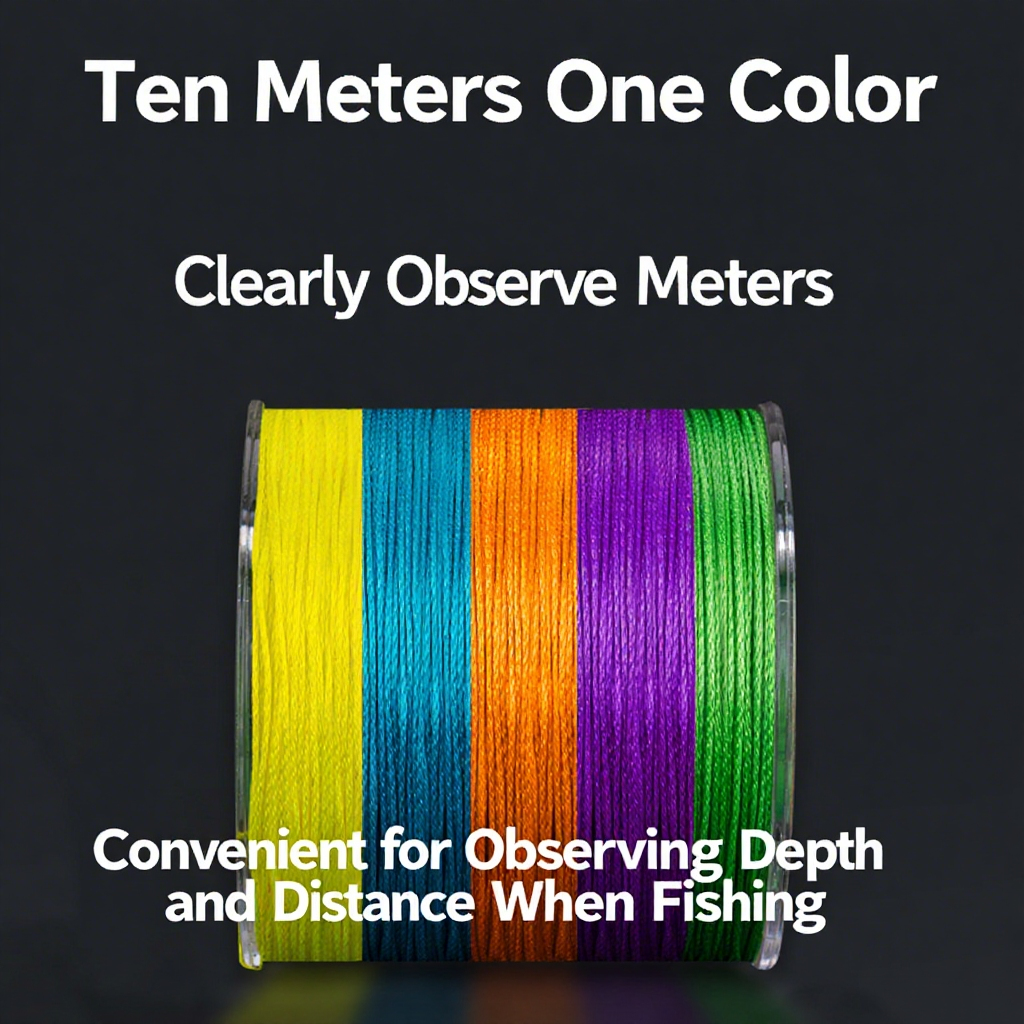
Fishing Line: Your critical connection. Braided line offers incredible sensitivity and lets a fast-action rod truly sing, transmitting the faintest taps. I use a fluorocarbon leader for its invisibility and abrasion resistance around structure. The right fishing line is a game-changer.
-
Fishing Lure: The temptation! Your rod’s power dictates what you can throw. A heavy jerkbait will overload a light-power rod, killing casting distance. Match the fishing lure weight to your rod’s recommended lure rating for optimal performance.
Long-Tail Keywords for the Curious Angler (Your Next Google Search):
-
"What is the best rod action for saltwater jigging and bottom fishing?"
-
"Medium-heavy vs heavy power fishing rod for offshore boat fishing."
-
"How to choose rod power and action for saltwater pier and surf casting."
Let’s Get Technical: A Quick Reference Table
|
Target Scenario |
Recommended Power |
Recommended Action |
Why It Works |
|---|---|---|---|
|
Flats Fishing (Bonefish, Permit) |
Medium |
Fast to Extra-Fast |
Sensitivity for light bites, quick hook-sets at distance. |
|
Inshore Casting (Redfish, Snook) |
Medium-Heavy |
Fast |
Power for structure, action for working plugs/jigs. |
|
Surf Fishing (Stripers, Blues) |
Heavy |
Moderate-Fast |
Power for big lures/surf, forgiving action for long runs. |
|
Offshore Trolling (Tuna, Mahi) |
Heavy / Ex-Heavy |
Moderate |
Power to fight big fish, parabolic bend to absorb powerful runs. |
|
Deep Sea Bottom Fishing |
Extra-Heavy |
Fast |
Power to lift, fast tip to detect subtle bites in deep water. |
FAQs: Your Burning Questions, Answered
Q: Can I use one rod for everything in saltwater?
A: You can, but you’ll master nothing. A medium-heavy, fast-action rod is the most versatile single fishing rod you can own for inshore/light offshore. But for specific mastery, specialized tools win.
Q: Does rod length matter with power and action?
A: Absolutely! Length influences leverage and casting. A longer rod (8-10 ft) of the same power will have more lifting strength and cast farther (great for surf). A shorter rod (6-7 ft) is more powerful in the butt for horsing fish from cover and offers better accuracy.
Q: Spinning vs. casting rod – does it change power/action?
A: The concepts are identical. You’ll find both styles in all powers and actions. Choose based on your reel and personal preference for the technique.
The Final Cast 🎣
So, what’s the takeaway? Don’t just buy a "saltwater rod." Buy a tool crafted for your specific battle. Choose the power to match the size and fight of your opponent. Select the action that gives you the communication and response you need for your technique.
Walk into a tackle shop, or browse online, with this new vocabulary. Flex a few rods. Imagine the bend with a fish on. That connection—between you, the water, and the fish—starts with the perfect bend in your hands.
Now, I’d love to hear from YOU! What species is your white whale? Are you chasing tailing reds in the marshes or dreaming of a screaming drag offshore? Drop your target fish and fishing style in the comments below, and let’s brainstorm the perfect power/action setup for your next adventure! Share this guide with your fishing crew—let’s all catch more, smarter. 🌊🐟





Leave a comment