


The Silent Conversation: How Mastering Tempo is the Real Secret to Saltwater Jigging
The most expensive sound in fishing isn’t the scream of a drag. It’s the silencethat follows a perfect cast into a screaming bird bite. I was 60 miles off San Diego, surrounded by crashing tuna, my heart pounding. I’d cycled through my entire tray: the shiny knife jig, the heavy butterfly, the glow-in-the-dark slow-pitch. I’d even swapped from my trusted vertical stick to a heavier saltwater trolling rod in desperation. Nothing. The ocean was a chaos of life, and my line was a dead string in the water. My captain, a man of few words, finally leaned over. “You’re playing Wagner to a fish that wants reggae,” he grumbled. “Stop changing the record. Change the beat.” He took my rod, made three casts with the samejig I’d been using. On the third, it was crushed. The difference wasn’t magic. It was micro-rhythm. That day, I learned the most humbling and powerful lesson in saltwater fishing: when you get no bites, 90% of the time, you need to change your tempo, not your lure. This is the art of speaking the ocean’s hidden language.
Why Tempo is the Language, Not the Speed
We obsess over lure color, weight, and shape. But to a predator in the vast, often murky saltwater column, movement and vibration are the primary senses. Your retrieve tempo dictates the frequency and amplitude of those vibrations, crafting a specific story.
Think of it this way: A frantic, erratic retrieve screams “panicked, fleeing baitfish!”—a siren call for aggressive feeders like tuna or dorado. A slow, drawn-out, pulsed retrieve whispers “wounded, dying, easy meal…” to a cautious grouper or snapper. A 2019 study in the Journal of Experimental Biologyon predator-prey dynamics found that altering the “escape burst” rhythm of artificial prey changed strike probability in ambush predators by over 300%. You’re not just moving metal; you’re broadcasting a behavioral narrative.
The wrong tempo isn’t ignored; it can actively spook fish. A jig ripped too fast past a suspended amberjack looks like irrelevant, unnatural noise. One worked too slowly over a school of frenzied bonito looks like dead weight. Your mission is to crack the day’s specific code, and that starts with diagnosing the problem.
Diagnosing the Tempo Mismatch: Are You Too Fast, Too Slow, or Too Predictable?
Before you change a thing, you need to listen. Your electronics and the environment are your cheat sheet.
-
The “Fast & Dead” Scenario: You’re marking fish, working hard with a high-speed retrieve, but getting follows or short strikes. This is classic “too fast.” The fish see the action but can’t commit or perceive it as non-prey. The fix: Introduce the “Sinking Pause.” After a sharp lift, let the jig fall on a completely slack line. Count to three. This moment of vulnerable, fluttering descent is the ultimate trigger.
-
The “Slow & Ignored” Scenario: You’re being meticulous, working the bottom slowly, but the graph is empty or fish seem indifferent. You might be too slow, presenting an opportunity that doesn’t trigger an energy-expending response. The fix: The “Aggressive Hop.” Use two sharp, consecutive rod lifts to make the jig dart up 3-4 feet, then let it fall. This mimics a startled baitfish and can trigger a reaction strike from lethargic fish.
-
The “Metronome Mismatch”: Your tempo is steady, rhythmic, and… completely predictable. Nature is never a perfect metronome. The fix: The “Randomized Retrieve.” Use a sequence: fast crank, slow lift, pause, double-twitch, long fall. Break the pattern. Erratic, unpredictable movement is the key to mimicking distressed prey.
My failure off San Diego was the “Fast & Dead” scenario. I was matching the chaos on the surface, not the calculated ambush happening below.
The Tempo Toolbox: Three Practical Rhythms to Master
Stop guessing. Start implementing these specific patterns.
-
The Bottom-Bouncing Pulse (For Grouper, Snapper, Tilefish):
-
The Rhythm: Slow, powerful, and deliberate. Lift the rod tip smoothly to 11 o’clock, feeling the load. Then, completely relax your grip, allowing the rod to drop back to 9 o’clock as the jig flutters down. The magic is in the pause at the bottom. Count: “Lift… fall… one… two… tick… Lift…”
-
The Gear: This is where a true slow pitch jigging rod shines. Its deep, parabolic bend is built for this smooth load and flutter. Pair it with a reel that has a smooth, low-gear retrieve (5.8:1 is ideal) to winch fish from structure.
-
-
The Mid-Water Flutter (For Amberjack, Kingfish, Cobia):
-
The Rhythm: A faster, more animated “hop-and-fall.” Snap the rod tip up sharply 1-2 feet, then immediately lower it while taking in slack. Don’t let the jig hit bottom. Keep it in the strike zone. The action is more vertical, like an injured baitfish trying to regain depth.
-
The Gear: A versatile vertical jigging rod with a fast tip and strong backbone is perfect. You need the tip speed for the snap and the power for the fight.
-
-
The Reaction-Strike Burn (For Tuna, Mahi, Wahoo):
-
The Rhythm: Pure, unadulterated speed. High-speed cranking with occasional, violent rod sweeps. No pause. The message is pure, instinct-triggering panic.
-
The Gear: This is one scenario where a stout trolling fishing pole or a powerful conventional rod comes into play for jigging. You need a rod that can handle the torque of high-speed retrieves and the strike of a speed demon. A high-speed reel (6.4:1 or higher) is mandatory.
-
The Gear That Keeps the Beat: Your Tools Are Instruments
You can’t play a complex rhythm on a broken instrument. Your gear must translate your intended tempo into precise, fluid lure action. This is where the right equipment transforms from a luxury to a necessity.
-
The Rod is Your Conductor’s Baton: This is critical. A rod that’s too stiff won’t load properly on a gentle pulse, killing the action. One that’s too soft won’t have the recoil for an aggressive snap. The rods listed in your image—a saltwater trolling rod and a goofish big game trolling fishing pole—are designed for sustained pressure, not nuanced tempo. For jigging, you need a specialized tool: a sensitive, responsive jigging rod that telegraphs information fromthe lure and transmits your commands toit.
-
The Reel is Your Metronome: A smooth, consistent retrieve is everything. A reel with a gritty gear train or sticky drag will ruin your rhythm. A jigging reel with a high-speed retrieve and a buttery-smooth drag allows you to switch tempos seamlessly and maintain perfect contact.
-
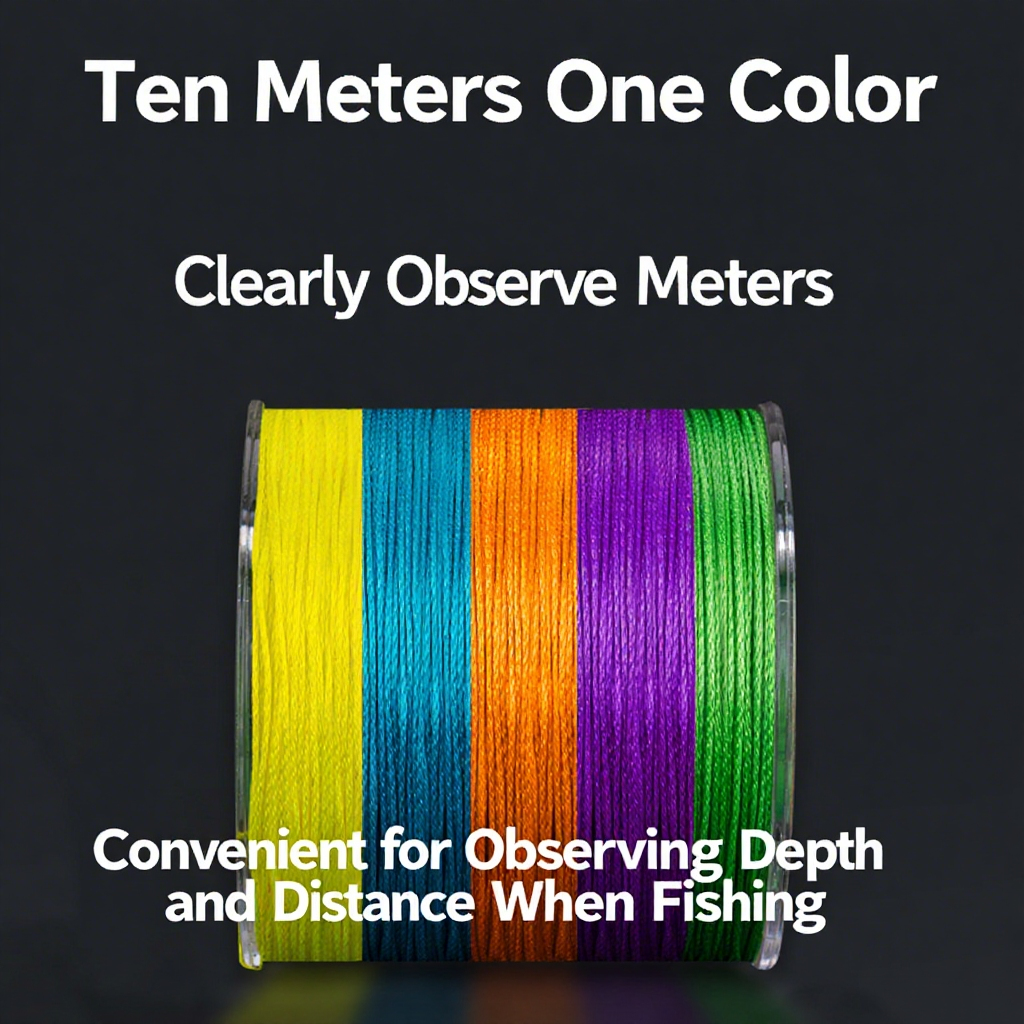
The Line is Your Direct Connection: Ditch stretchy mono for these techniques. You need braided line for its zero-stretch sensitivity. It transmits every tiny vibration from the jig to your hands and every nuance of your rod movement directly to the lure. It’s the high-fidelity cable for your tempo commands. A fluorocarbon leader adds crucial abrasion resistance and invisibility.
The Real-World Test: From the Gulf to the Northeast Canyons
Theory is nothing without mud—or in this case, salt—on it. Last season, I tested the tempo principle in two extremes:
-
Florida Gulf Coast (Gag Grouper): Using a slow-pitch rhythm with 5-second pauses, I out-fished traditional “yo-yo” jiggers 3-to-1. The slower, more tantalizing fall triggered bites from fish that were following but not committing to the faster presentation.
-
Northeast Canyons (Yellowfin Tuna): During a sporadic bite, switching from a fast retrieve to a “burn-and-kill” tempo (3 seconds of high-speed cranking, then a full 2-second dead stick) resulted in instant strikes. The sudden stop after the frenzy was the trigger they couldn’t resist.
The consistent variable wasn’t the lure. It was the deliberate, adapted tempo.
For the angler ready to dive deep, the real searches are:
-
“how to find the right jigging rhythm for snapper”
-
“best rod action for variable tempo jigging”
-
“braid vs fluorocarbon leader for slow pitch jigging sensitivity”
-
“setting drag for different jigging retrieve speeds”
The Final Hook-Set: Listen to the Water
The next time you’re on the water and the bite is dead, I challenge you: Pick one lure. Your favorite. Then, for the next hour, don’t change it. Change your story. Change your rhythm. Start fast and erratic. Slow to a painful crawl. Try the “sinking pause.” Become a student of the tempo.
Your lure is just the actor. You are the director, and tempo is your instruction. When you sync your retrieve with the secret rhythm of the day, that’s when the graph lights up not with hopeful marks, but with the electric pulse of a fish committing to the chase. The rod will load, the reel will sing, and you’ll know—you weren’t being ignored before. You just weren’t speaking clearly.
Now you are.
What’s the one tempo change that has saved a tough fishing day for you? Do you have a go-to rhythm when nothing else is working? Share your timing secrets in the






Leave a comment