


The Secret Weapon in Your Tackle Box: Why Unhooking Rings Make Rubber Bands Obsolete
Let’s be honest: sometimes the smallest piece of gear makes the biggest difference. For years, I was a rubber band believer. That little stretch of latex was my go-to for connecting trailer hooks, securing soft plastics, and a dozen other quick fixes. That is, until The Incident.
Picture this: I was on a dream trip, hooked into the biggest smallmouth bass of my life. After an epic fight, I guided the tired giant to the boat. As I reached for my pliers, the cheap rubber band connecting my stinger hook snapped. The fish gave one last, glorious shake, and the main hook popped free. My trophy—and a potential personal best—kissed the side of the boat and vanished into the depths. I was left holding a broken band and a shattered ego. That moment, right there, was the end of my rubber band era and the passionate beginning of my advocacy for unhooking rings.
This isn't just about convenience; it's about efficiency, fish safety, and landing the ones that matter. Let's dive into why this tiny, often-overlooked accessory deserves a permanent home in your jigging kit, and how it fits into a complete, high-performance setup.
Unhooking Rings vs. Rubber Bands: A Physics & Ethics Showdown 🤼♂️
At first glance, it seems like a simple choice. But when you break it down scientifically, there's no contest.
The Rubber Band's Fatal Flaws:
-
Material Degradation: Rubber bands are susceptible to UV light, saltwater, and ozone, which cause them to become brittle and lose elasticity over time. A study published in the Journal of Polymer Testingfound that natural rubber can lose up to 50% of its tensile strength after prolonged sun exposure. Your "trusty" band is weakening in your tackle box.
-
Unpredictable Failure: They stretch under load, storing energy. When they fail, they do so catastrophically and without warning (as I learned the hard way). This is a liability during a critical moment.
-
Inefficiency & Harm: Fumbling with a stretched band to release a fish increases handling time, which elevates stress and reduces survival rates in catch-and-release scenarios.
The Unhooking Ring's Engineering Brilliance:
-
Predictable, Durable Performance: Made from marine-grade stainless steel or titanium, these rings are immune to corrosion and fatigue. They provide a consistent, solid connection.
-
The "Rolling Release" Mechanism: This is the genius part. When you apply pressure to the ring with a hook or tool, it rolls, cleanly pushing the hook bend open and sliding the point free. This requires minimal manipulation of the fish's jaw. A report from B.A.S.S. conservation noted that using quick-release mechanisms like these can reduce air exposure for fish by nearly 70% compared to traditional hand-unhooking.
-
Versatility: Beyond release, they're perfect for creating quick-change connections for jig heads, attaching stinger hooks to swimbaits, or rigging drop-shot weights. One pack solves a hundred problems.
Building the Ultimate Jigging System: More Than Just a Ring
An unhooking ring is a star player, but it needs a strong supporting cast. Your entire setup must be in harmony to detect, hook, fight, and safely release fish.
1. The Signal Interpreter: Your Best Jig Fishing Rod
The rod is your primary link to the underwater world. For jigging, you need a tool that feels like an extension of your nervous system.
-
The Science of Feel: A true best jig fishing rod uses high-modulus graphite to transmit the faintest "tic" of a bite. Look for terms like "30-ton" or "40-ton graphite." The blank's construction—how the carbon fibers are layered—dictates its sensitivity and hook-setting power.
-
Action & Power: A Fast or Extra-Fast action rod bends primarily in the top third, allowing for lightning-quick hook sets. Pair this with Medium-Heavy power to handle both the weight of your jig and the surge of a big fish. This combo lets you feel a bass inhale a finesse jig on a slack line and also winch a walleye from deep structure.
2. The Finesse Specialist: Your Best Jig and Worm Rod
Sometimes, jigging demands a softer touch. This is where a dedicated best jig and worm rod excels.
-
The Versatility Profile: These rods often feature a Moderate-Fast action. The slightly deeper bend is forgiving when using thin-wire hooks on soft plastics, preventing you from pulling the bait away from a cautious fish. It also excels at "working" a jig with subtle lifts and shakes, imparting tantalizing action without moving it too far.
-
Real-World Application: I use my jig-and-worm rod for dragging football jigs on rocky points and for working ned rigs along weed edges. The softer tip allows the fish to fully take the bait before I feel the weight and set the hook.
3. The Power Plant: Your Best Jigging Rod and Reel Combo
Balance is everything. A perfectly matched best jigging rod and reel combo feels weightless in your hand and powerful in the fight.
-
The Reel's Role: The reel must have a smooth, start-up drag. A jerky drag will snap light line on a sudden run. Look for reels with multiple carbon fiber washers. A high gear ratio (7.5:1 or higher) is also key, allowing you to quickly pick up slack line after a hop and keep constant pressure.
-
The Harmony: A well-balanced combo reduces fatigue, letting you focus on lure presentation and bite detection for hours. When shopping, mount the reel on the rod—the balance point should be just in front of the reel seat.
4. The Attraction: Your Best Jig Lures
Of course, the lure itself is the catalyst. Modern best jig lures are marvels of design.
-
Swim Jigs: Their streamlined head and angled line tie create a lifelike, swimming motion perfect for covering water. Pair them with a paddletail swimbait for relentless action.
-
Flipping Jigs: Built for punishment, with stout hooks and heavy-duty weed guards to punch through mats and timber.
-
Finesse Jigs: Like the ned rig or ball-head jig, they shine in clear water or high pressure, offering a subtle, natural presentation.
The Complete, Ethical Angler's Checklist ✅
So, what does a modern, responsible jigging setup look like?
-
Rod: A sensitive, Fast-Action graphite rod for primary duties, paired with a forgiving Moderate-Fast rod for finesse.
-
Reel: A high-speed reel with a buttery-smooth drag.
-
Terminal Tackle: A pack of marine-grade unhooking rings permanently in your box.
-
Lures: A curated selection of jig styles matched to your local forage and structure.
-
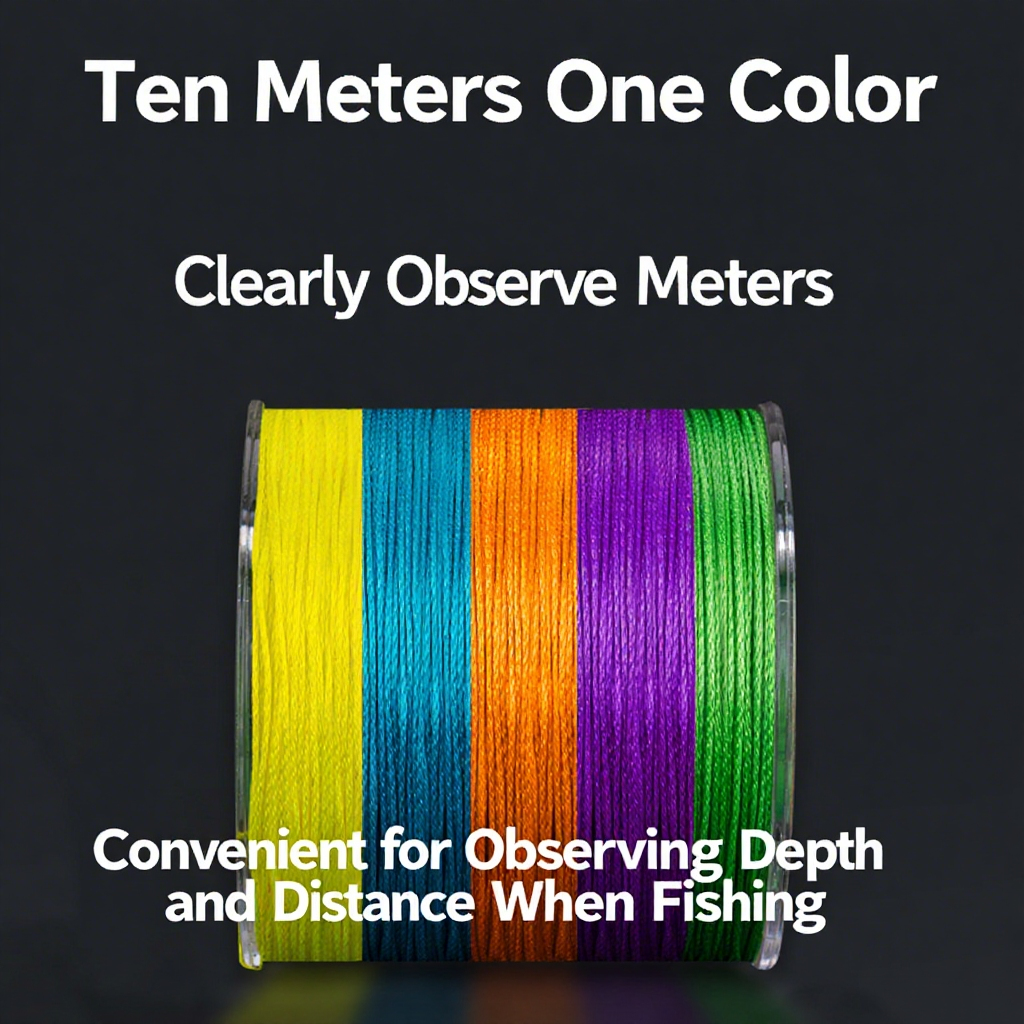
Line: Low-stretch braid mainline to a fluorocarbon leader for ultimate sensitivity and invisibility.
Embracing unhooking rings is more than a tackle tweak; it's a mindset shift towards smarter, more respectful fishing. It’s about choosing gear that performs reliably under pressure and honors the fish we catch.
I’m curious—have you made the switch to unhooking rings? What’s the one jigging accessory you can’t live without? Drop your thoughts and jigging fishing stories in the comments below. Let’s share the knowledge that leads to more fish in the boat and more fish thriving back in the water! 👇
Tight lines and clean releases, everyone! 🐟✨






Leave a comment