


Learning about Indigenous fishing knowledge should begin with people and place, not a romantic label. Different communities have their own histories, priorities and ways of sharing information. A worldwide overview cannot speak on their behalf.
This article offers a framework for respectful reading and responsible angling. It does not claim to document a particular community's practices or connect modern commercial jigging gear to an Indigenous origin. The “fish whisperers” wording in the original URL is not used here as a name for communities.
Begin with a specific source
Ask who is speaking, which community and place they identify, and whether they are sharing the information publicly for the purpose you have in mind. Community-authored publications, official community resources and clearly attributed educational work provide a better starting point than an anonymous list of ancient secrets.
Keep the source's own terminology and scope in view. Do not replace a named community with a generic “tribe,” or assume one account describes all Indigenous peoples. When a source is unavailable, say less rather than filling the gap with a plausible tradition.
Knowledge belongs in its context
Information about a fishery may relate to a particular place, season, species and relationship among people. Removing those details can turn a situated account into a misleading universal tip.
Distinguish what the source says from what you infer. An account of careful observation does not establish that all communities use the same technique, that a method works everywhere or that a contemporary lure descends from it.
Respect how information is shared
Public availability is not an invitation to recast everything as a sales story. Pay attention to the source's stated expectations about recording, reuse and sharing. If a proposed use falls outside those expectations, seek guidance from the appropriate source rather than assuming approval.
Do not request restricted stories, sensitive locations or private practices simply to make a fishing article more interesting. A clear boundary is information to respect, not a gap to overcome.

Give credit without claiming endorsement
Identify the author or organization, publication and context when discussing a specific account. Make direct quotations distinguishable from paraphrases and interpretation.
Attribution does not establish a partnership. Do not imply that a community endorses a tackle brand, approves a product or receives support from a purchase unless that relationship is documented. This article claims no such relationship for the products linked below.
Be cautious with the word sustainable
A technique name does not prove reduced bycatch, habitat protection or healthy fish populations. Nor does a hook, lure or rod carry an environmental certification simply because an article places it beside a cultural story.
Slow pitch jigging and shore jigging are modern fishing terms here, not evidence of one universal Indigenous practice. Moving a jig slowly does not automatically make the session low-impact, and fishing from shore does not remove every ecological concern.
Evaluate a claim by its actual evidence and limits. What was measured, where, and compared with what? Without that information, avoid turning a general statement about care into a product guarantee.
Practical habits for a responsible outing
Use current information from the relevant fishery and location. Check access, conditions and handling guidance before selecting equipment. A broad cultural article cannot substitute for instructions specific to your outing.
- Plan safe access and a manageable return time.
- Keep casts and sharp tackle clear of other people.
- Collect damaged line, packaging and lost-tackle remnants where safe.
- Use appropriate landing equipment and handling methods.
- Stop when conditions or site guidance call for it.
- Record observations honestly, including uncertainties and no-catch sessions.
These are practical recommendations for readers, not a set of practices attributed to every Indigenous community.
Modern equipment: a separate slow pitch jigging reference
If your own outing involves saltwater slow pitch jigging, compare a rod's actual specifications independently of the cultural discussion. The GOOFISH Matte Black slow pitch jigging rod listing offers one-piece PE2–4 and PE3–6 models, with FUJI K-frame guides, Alconite rings and a FUJI reel seat.
The PE2–4 specification chart lists a 120–350g jig range. The PE3–6 model lists a maximum of 500g without a separate recommended working range. Do not transfer the PE2–4 guidance to PE3–6 or assume that the maximum is the appropriate weight for every drift.
Match the configuration, not just the keyword
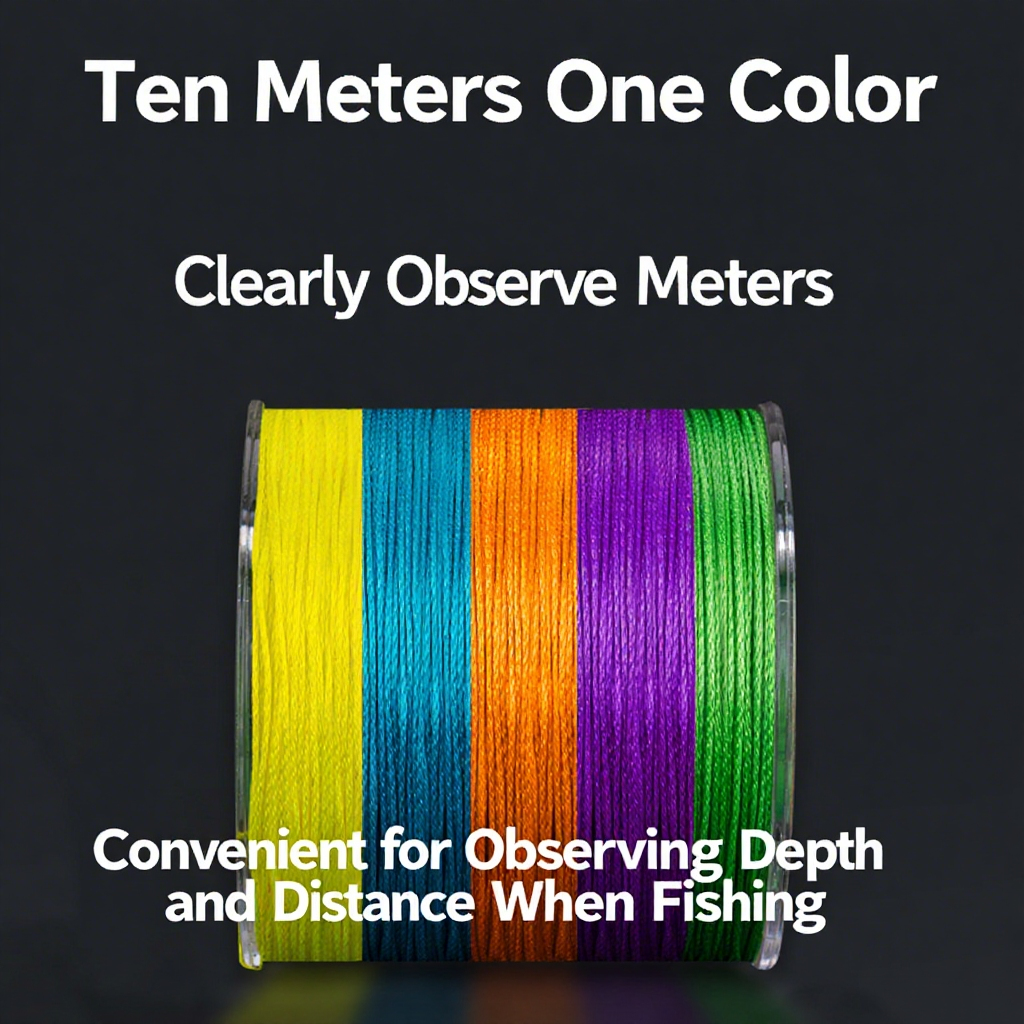
Choose spinning or casting to fit the actual reel. Spiral-wrap options describe guide direction; confirm compatibility rather than inferring the reel-handle side. PE is a line-sizing class, not a universal pound-test conversion.
The listing describes one-piece rods, so plan full-length transport space. It gives an approximate 195cm length, while the PE2–4 parameter chart shows 198cm; confirm the selected model's measurement if an exact fit matters.
These are product specifications, not claims of Indigenous design heritage, environmentally certified materials or guaranteed reduction in bycatch.
Care for equipment without exaggerating its role
Inspect guide inserts, fittings and line before use. Follow the supplied care instructions, remove saltwater residue and allow the rod to dry before storage. Avoid high-sticking and do not use lifting demonstrations as drag settings or fish-lifting instructions.
A well-maintained rod can be part of a prepared outfit, but it cannot replace sound decisions about the place, conditions or fishery.
Questions about knowledge and modern fishing gear
Is Indigenous fishing knowledge one worldwide system?
This article does not treat it as one. Identify the specific source, community and context before describing a practice.
Does slow pitch jigging automatically reduce ecological impact?
No such universal claim is established here. Assess the actual fishery, practice and evidence rather than the technique's name.
Do the product links imply community endorsement?
No. They are separate modern equipment references, not evidence of a partnership or cultural origin.
Can I use a cultural story as a product testimonial?
Do not turn an account into an endorsement it never made. Keep attribution, context and the source's sharing expectations clear.
Let respect shape the learning
A stronger fishing article does not need invented ecological codes or romantic stereotypes. It needs careful sources, clear boundaries and room for communities to speak in their own voices.
For modern tackle planning, review the Matte Black rod model specifications separately. Learn from named sources with respect, and choose equipment by verified requirements rather than an imagined connection to tradition.





Leave a comment