


The best time for saltwater fishing depends on the location, target species and method, not one universal hour. Dawn, dusk and moving water can be useful factors to investigate, but they do not guarantee fish. Start with a safe, legal fishing window, then compare local conditions and fish signs.
This guide is a planning framework, not a tide forecast or a source of current local regulations. Use reliable local marine forecasts and tide or current information, with experienced local guidance where needed.
Tides and current: check the actual fishing area
Tides change water level, while current describes water movement. A tide prediction alone does not describe every current at a reef, inlet or offshore drift. Timing and flow can differ between the tide station and the place you intend to fish.
Do not assume incoming tide always brings fish within reach or outgoing tide always creates a feeding frenzy. Species, structure, available food and presentation influence the result. Ask local guides which stages are worth investigating for the particular method.
For boat jigging, control matters
Current and drift affect line angle and the jig you can work. Stronger flow is not automatically better: if you cannot control the presentation, review the drift with the skipper, change to an appropriately rated jig or choose a more manageable area. Our slow-pitch spot guide explains how location and drift interact.
Dawn and dusk: useful possibilities, not fixed rules
Low-light periods can be worth testing for some local fisheries, but fish can also be caught during daylight or at night when the conditions and method suit. A peaceful sunrise is not evidence of safe sea conditions or guaranteed feeding activity.
Consider access, visibility, navigation and the return trip. Do not choose an unfamiliar shore route or a boat departure solely to match a sunrise time without checking the hazards and local advice.
Season and target species
Research the actual species and region before choosing travel dates. Seasonal presence, fishing access and permitted retention can vary by area. Warmer water does not universally mean more active fish, and a surface temperature does not necessarily represent the fishing zone at depth.
For travel planning, see our US saltwater fishing region guide. Confirm current seasons and restrictions with the relevant fisheries authorities rather than relying on a country-wide or coast-wide generalization.
Moon phase: context, not a catch guarantee
Lunar cycles influence tides, and anglers may use moon phase as part of local planning. That does not establish a universal best phase or guaranteed feeding window for every fishery. Do not let a moon calendar override marine weather, actual current, legal access or local observations.
Keep a log of dates, conditions, tide stage, method and catches to look for patterns in your own fishing. Avoid treating one successful trip as proof of a universal lunar rule.
Marine weather comes before a promising bite window
Check wind, waves, swell, visibility and warnings for the route and fishing area. Recheck during the trip. There is no single safe weather threshold for all vessels, crews or shore locations, so use the skipper's judgment and competent local guidance.
Postpone when conditions exceed the plan's capabilities. A favorable tide or predicted feeding period is not a reason to compromise safety. Review our ocean fishing safety checklist.
Match tackle to the conditions, not the clock
For smaller slow-pitch jigs, compare the GOOFISH Orange micro slow-pitch jigging rod, 20–100g. For heavier presentations, the GOOFISH Mighty Deep green slow-pitch jigging rod lists 200–700g, with its detailed description suggesting 200–550g within that broader range. Choose for the actual jig, outfit and fishing conditions, not because it is dawn or a particular moon phase.
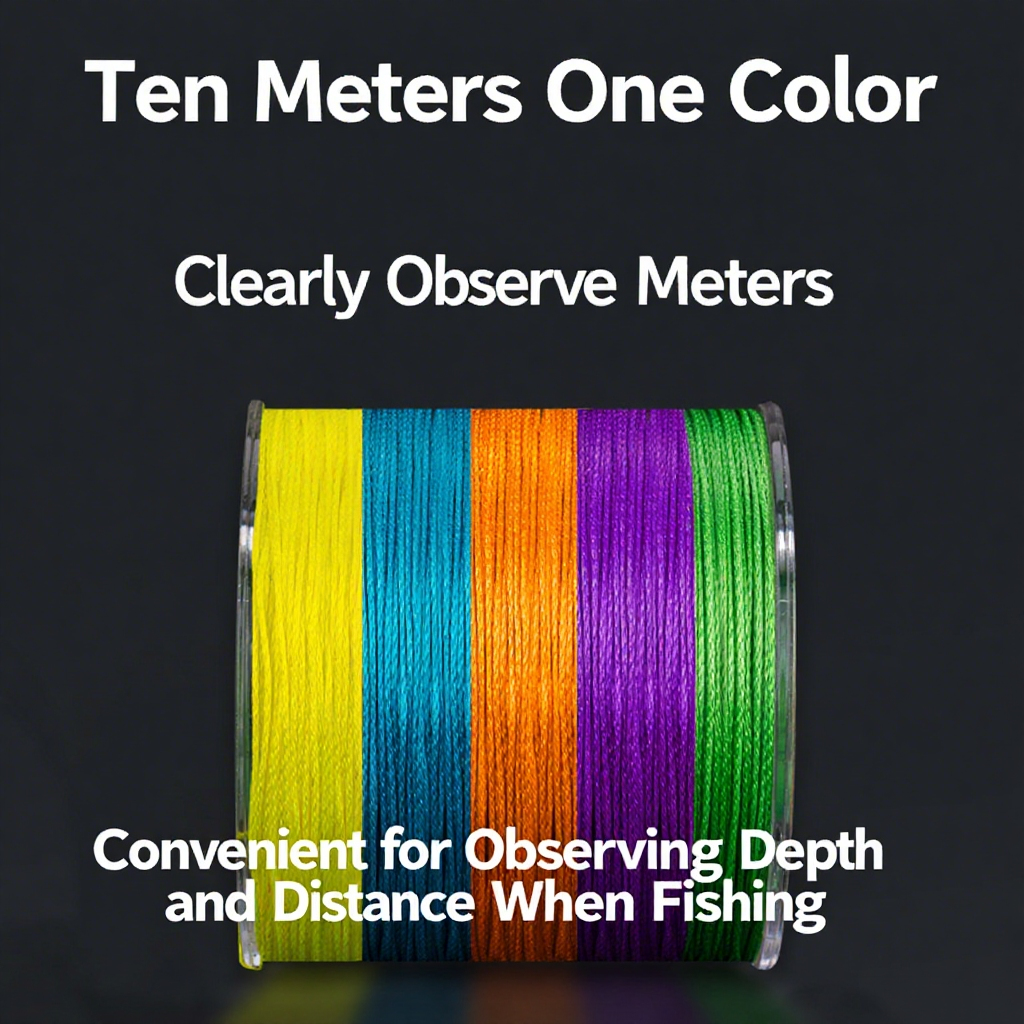
If comparing GOOFISH Max-8 braided line, check the selected option's diameter, strength, size and length against rod guidance and reel capacity. A jig rating is not a fish-weight or safe lifting rating, and more powerful tackle does not make unsafe conditions acceptable.
A practical fishing-time checklist
- Identify the local target, method and permitted season.
- Check marine weather and a safe access or return plan.
- Review tide and, where available, current predictions for the actual area.
- Discuss suitable windows with an experienced local guide or skipper.
- Choose tackle you can control in the expected conditions.
- Observe fish signs and adjust rather than relying on a fixed hour.
- Record results to build useful local knowledge.
Saltwater fishing time FAQs
Is high tide always best?
No. Water level alone does not establish feeding activity or presentation quality. Consider current, structure, species and access together.
Is early morning always better than midday?
No. It can be a useful period to investigate, but the local fishery and conditions determine whether it suits your plan.
Should I fish only around a full or new moon?
No. Use lunar information as context, not a requirement or catch prediction. Safety and actual conditions take priority.
Can I use one timing rule for shore and boat fishing?
Not reliably. Access, current effects, navigation and presentation differ. Plan for the specific location and method.
Choose a workable local window, not a magic hour. Combine current information, seasonal knowledge and a safe plan, then adjust from what the fishing conditions actually show.





Leave a comment