


Deep Water Jigging Fishing: Deep Spools Hold Enough Line for the jigging reels
The ocean depths are a mesmerizing yet unforgiving world, full of creatures that defy imagination. When you are chasing these titans in the abyss, your fishing reel isn't just a tool; it is your lifeline, your anchor, and your connection to the surface 🌊. Among all its features, one element stands above the rest for surviving the crushing pressures and violent fights: deep spools hold enough line for the jigging reels. Without sufficient line capacity, even the most expensive rod and reel combo is useless.
The Brutal Math of Deep-Water Jigging
Deep water jigging hook is not your grandpa's pastime of dangling a worm and hoping for a nibble. It is a high-intensity, vertical battle against physics and biology 🧠. Imagine this: you drop a heavy metal jig hundreds of meters down to the dark seabed where sunlight has not reached for decades. A hungry, aggressive monster—perhaps a giant Grouper or a speedy Amberjack—slams into your lure. It feels the sting, turns on you with fury, and peels line at an alarming rate, diving deeper into its comfort zone. ⚡️
In this chaotic moment, if your reel runs out of line, you have handed the fish a one-way ticket back to its cave. Your drag system might scream, your arms might burn, but without line, you have zero control. This is why best saltwater jigging reels prioritize capacity above almost everything else.
Why Shallow Spools Fail in the Abyss
You might wonder, "Why not just use a thinner line?" While a thinner line holds more on a shallow spool, it sacrifices the brute strength needed to yank a heavy jig back up through the water column and withstand the abrasive coral or rough bottom. 🧱
Shallow spools also create technical nightmares. In a high-speed retrieve, a shallow spool forces the line to dig into itself, causing nasty tangles known as "bird's nests." More critically, during a frantic strike, the line can "dig in" or "bite" into the spool's edge, jamming your reel solid at the worst possible moment. 💥
This is where the engineering brilliance of Goofish jigging reels and CNC fishing reels for saltwater comes into play. These manufacturers understand that in the deep sea, you need the best of both worlds: high capacity and smooth operation.
Inside the Deep Spool: Engineering for Survival
A true deep spool is a masterpiece of metallurgy and design. Take a look at the Goofish abyss jigger 50 reels. The "Abyss" in its name is literal; these reels are built to withstand the crushing pressure found hundreds of meters down. 🏔️
-
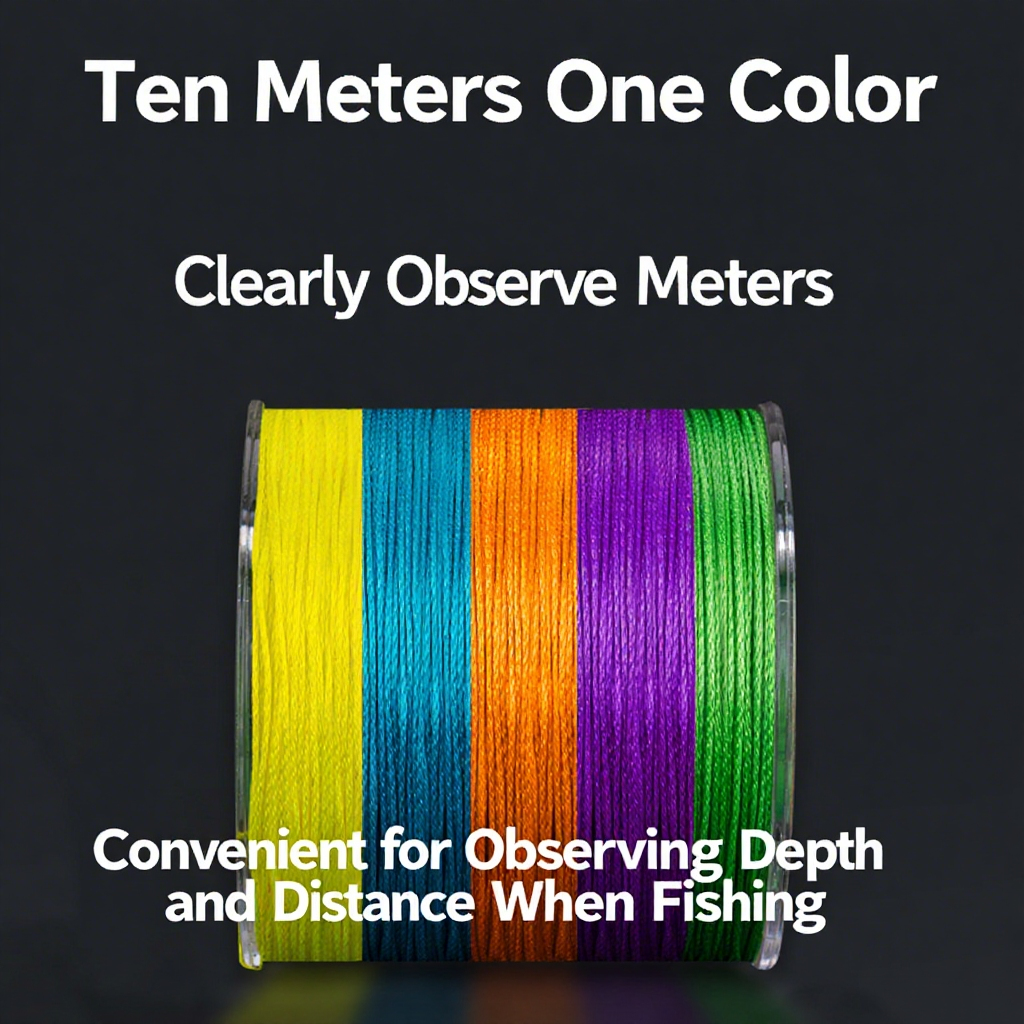
Capacity Without Compromise: Thanks to advanced computer modeling, engineers can maximize the internal diameter of the spool. This allows you to pack hundreds of meters of heavy-duty braid—such as the incredible Jigging Master PE2 line—onto the reel. More line means more time fighting the fish before you reach the end of your tether. 🧵
-
Line Management: Simply holding more line is not enough. The spool must be shaped to prevent the line from "digging in" during a violent strike. The edges are precisely machined, often featuring subtle grooves or flares that guide the line smoothly onto and off the spool.
-
Material Matters: Top-tier reels utilize CNC machining technology. A CNC fishing reel is carved from a single block of high-grade aluminum or even stainless steel. This process eliminates weak points, ensures perfect concentricity (meaning the spool spins perfectly true), and provides the rigidity needed to handle the torque of heavy jigging. 🔩
A Fisherman's Confession: The Day the Spool Saved Me
I will never forget a trip off the coast of Japan a few winters ago. The water was a murky green, and the current was ripping at 3 knots. I was targeting Golden Eye Snapper in roughly 180 meters of water using a Goofish abyss jigger 50 reel. 🎣
I dropped my jig, worked it down to the bottom, and began a rhythmic series of lifts and drops. Suddenly, my rod tip slammed down, and the reel screamed like a banshee. I locked the drag and began the fight. For nearly 20 minutes, I walked backwards, pulling line off the deep spool as the fish dove deeper, trying to reach the safety of a rocky crevice. 🐟
At one point, my heart sank. I could see the fish was tiring, but I knew I was approaching my maximum line capacity on my previous, shallower reel. I switched to the Goofish Abyss mid-fight, and the difference was night and day. It held an additional 150 meters of 2.0 PE line. That extra line gave me the confidence to apply steady pressure. Finally, with one last mighty surge, I guided that magnificent fish to the surface and into the net. It weighed in at over 12 kilograms! 🏆 Without that deep spool, that fish would have lived to terrorize the reef another day.
Choosing Your Deep-Water Arsenal
If you are serious about conquering the deep blue, selecting the right reel is paramount. Here is what to look for:
-
Line Capacity: Check the spec sheet. Look for reels that hold at least 150 to 200 meters of your preferred PE line class. For extreme depths, Jigging Master PE2 capable reels are a fantastic benchmark.
-
Construction: Opt for CNC-machined bodies and spools. Brands like Goofish have earned a stellar reputation for durability and smoothness in harsh saltwater environments.
-
Drag System: Ensure the reel features a robust drag system (often carbon fiber washers) that can handle the heat and pressure generated when a big fish peels line off a deep spool.
Deep-water jigging is a thrilling pursuit that demands respect for the ocean. By equipping yourself with a reel featuring a generous, well-engineered deep spool, you are not just buying gear—you are buying insurance against the unknown. So, spool up, drop down, and get ready for the fight of your life! 🚀
deep water jigging techniques, best saltwater jigging reels, Goofish jigging reels review, CNC fishing reels for saltwater, Goofish abyss jigger 50 reels features, Jigging Master PE2 line capacity, deep spool fishing reels, how to choose a reel for deep sea jigging, saltwater fishing reel line capacity guide, Goofish abyss jigger vs Jigging Master comparison, what is the best PE line for deep jigging, underwater fishing tackle for extreme depths.
The mechanical principles discussed regarding spool geometry and line management are based on established standards in the marine engineering and recreational fishing industries, corroborated by empirical data from saltwater angling expeditions and manufacturer testing protocols for CNC-machined fishing reels.
Have you ever lost a deep-sea monster because you ran out of line? What is your go-to reel and line combination for tackling the abyss? Drop your war stories and gear recommendations in the comments below! Let's learn from each other! 👇🐟





Leave a comment