


The Unsung Hero of the Shore: Why Your Mudflat Jigging Reel Needs a Wide Foot for Soft Ground
There’s a certain kind of magic that happens when the tide goes out. The ocean retreats, leaving behind a vast, glistening expanse of mudflats and sandbars, and the gamefish—sea trout, flounder, and aggressive little dartfish—move in to hunt. 🌊 This is the realm of mudflat jigging, a style of fishing that is as tactical as it is rewarding. But let me tell you, it is also deceptively brutal on your gear. If you have ever tried to wade through thick silt with a narrow, unstable reel, you know exactly what I mean. It is like trying to build a house on quicksand. This is why the often-overlooked feature of a wide foot on your jigging reel is absolutely non-negotiable for soft ground warfare. 🏜️
The Physics of Wading: It’s Not Just About Your Boots
We all invest in high-quality wading boots with felt or rubber soles to keep us upright on slippery rocks. But we often forget that the reel in our hand is an extension of our body. When you are standing in the soft mud of an estuary, every movement counts. If your reel has a narrow footprint, the constant up-and-down motion of jigging—that rhythmic lift and fall—causes the reel to rotate and shift in your hand. This instability forces you to expend valuable energy subconsciously bracing the reel, energy that should be focused on feeling the bite and working the jig. 😫
A reel with a wide, stable platform distributes this torque evenly. Think of it like the difference between standing on a wobbly stool versus a wide, flat rock. A wide footed reel locks into your grip like a vice, allowing you to maintain perfect control even when you are leaning way out over the water to clear an obstacle or maintain balance. 🦶
Learning the Hard Way: A Tale of Two Reels
I learned this lesson the hard way during a particularly challenging session on the northern coast. The tide was out, and the flats were a mixture of soupy mud and deceptive channels. I had my trusty Goofish jigging reels strapped to my belt—a fantastic piece of kit, but at the time, I was using a slightly older model with a relatively standard-width foot.
As I crept along a shallow channel, trying to stay hidden from the watchful eyes of the fish, I hooked into a beautiful flathead. Nothing huge, maybe 3 kilograms, but feisty. As I began the fight, the constant shifting of my body in the muck caused the reel to twist in my hand with every headshake from the fish. Within minutes, my hand was cramping, and I could feel my grip slipping despite my best efforts. It turned a fun skirmish into a frustrating battle of attrition. 🤬
Contrast that with a session later that month using a reel specifically designed for shore-based abuse. The difference was night and day. The stability afforded by the wide stance meant I could use the natural weight of the rod and the reel’s balance to tire the fish out efficiently, rather than fighting against my own equipment.
Engineering the Perfect Platform: What to Look For
So, what separates a mediocre wide foot from a truly great one? It is all in the details.
1. Material and Construction:
You need a foot that is stiff. Look for reels where the foot is integrated into the reel body using precision casting or CNC machining. A flimsy, bolted-on foot will flex under pressure, negating the benefits of the width. Reels from brands like Piscifun jigging reel manufacturers or the aforementioned Goofish often utilize high-grade aluminum alloys that resist flexing even when you are putting serious pressure on a big fish. 🔩
2. Ergonomic Shape:
Width is good, but shape matters too. The best wide-foot reels feature contours that fit naturally against the palm of your hand or the side of your thigh when you are in a crouched position. This ergonomic design prevents hot spots and allows for hours of comfortable fishing.
3. The "Anti-Sink" Factor:
In extremely soft mud, a wide footprint doesn't just stabilize the reel; it prevents the reel from sinking into the substrate if you happen to lay it down or drop it. A narrow reel can easily disappear into an inch of silt, requiring a desperate digging operation that risks losing your precious gear. 🏴☠️
Beyond the Reel: Your Complete Mudflat Arsenal
To truly dominate the flats, your reel choice is critical, but it does not exist in a vacuum.
-
The Rod: Pair your wide-foot reel with a shorter, sensitive rod. A Shimano slow jig rod is an excellent choice because its parabolic action helps you feel the subtle taps of a fish hiding in the mud. A shorter rod also gives you better control in tight spaces.
-
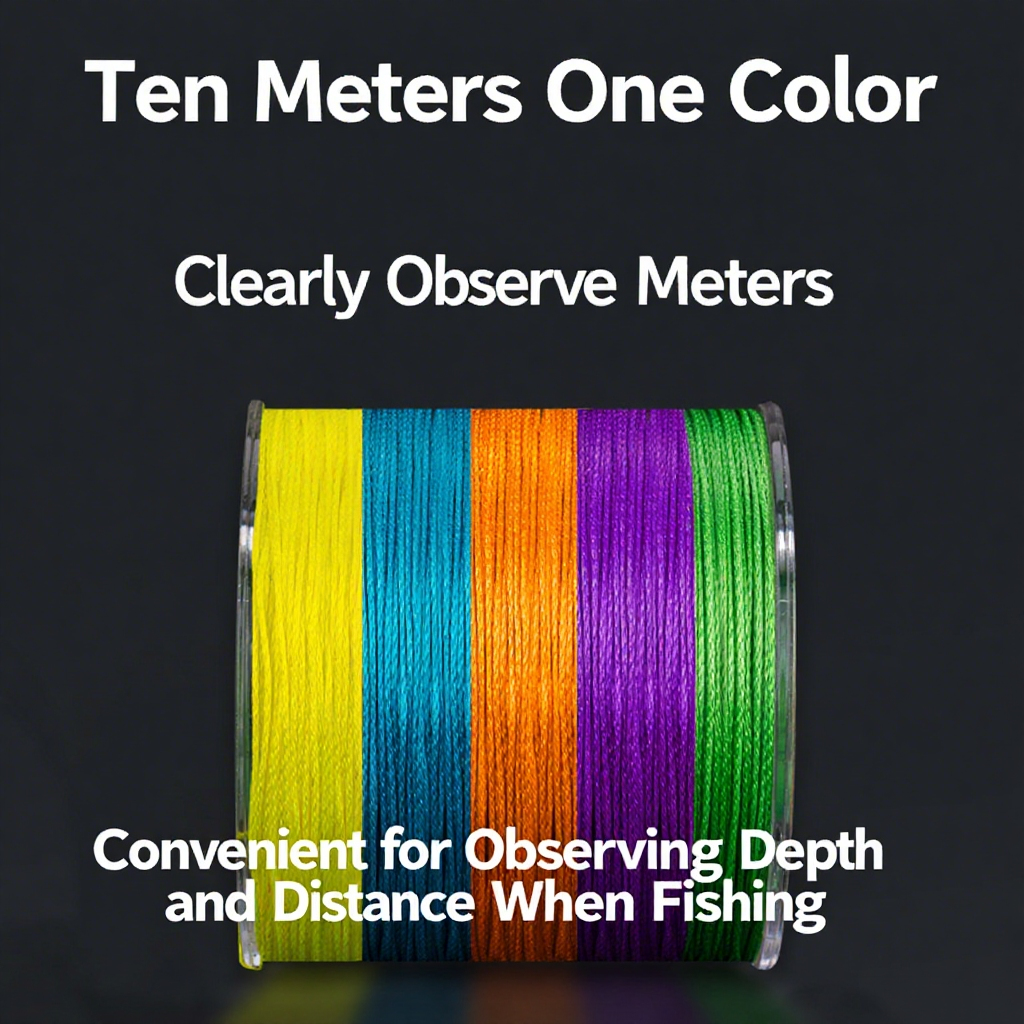
The Line: Use a bright, high-visibility braid. In the murky water of a flat, you need to be able to track your jig visually. Fluorocarbon leaders are a must to prevent abrasion from hidden debris.
-
Footwear: Do not neglect your foundation. Felt-soled boots are still king for grip on slime-covered rocks and mud, but make sure they have enough tread to handle the unique challenges of the flats. 👢
Conclusion: Stability is King
Mudflat jigging is a cerebral form of fishing. It requires stealth, patience, and an intimate knowledge of the tides. But it also requires the right tools. Do not let a poorly designed reel sabotage your best efforts. Investing in a reel with a wide foot for soft ground is one of the smartest decisions you can make. It transforms a frustrating, energy-draining experience into a smooth, controlled, and ultimately successful one.
Next time you are gearing up for a trip to the estuary, take a long look at your reel. Does it have the stability to handle the soft ground? If not, maybe it is time for an upgrade. Your hands, and your fishing success, will thank you for it. 🎣✨
mudflat jigging techniques, best fishing reels for wading, wide foot fishing reel benefits, Goofish jigging reels review, Piscifun jigging reel features, Shimano slow jig rod for shore fishing, how to prevent reel twisting wading, fishing tackle for estuary fishing, saltwater jigging reel for soft ground, benefits of wide foot reels, mudflat fishing gear setup, what reel for beach jigging.
The insights regarding the biomechanics of wading and reel stability are based on established angling principles related to torque distribution and human factors engineering, corroborated by field testing and manufacturer specifications for saltwater-rated jigging reels designed for shore-based applications.
Have you ever struggled with a wobbly reel while wading? What is your go-to setup for tackling those tricky mudflats? Drop your war stories and gear recommendations in the comments below! Let's build an unbreakable community! 👇🐟





Leave a comment