


Choosing hook brands for slow jigging starts with the exact hook or assist-rig model, not the logo on the packet. A manufacturer can offer many designs for different methods. Brand reputation alone does not establish compatibility with your jig or a guaranteed catch advantage.
This guide keeps four brands from the original article as research starting points. It does not rank them, claim hands-on testing or confirm current stock. Verify the manufacturer's current specifications for the exact model and size.
Mustad: identify the intended model
When researching Mustad, confirm that the chosen hook or ready-made assist rig is intended for your presentation. Compare actual gap, shape, wire and attachment guidance rather than treating every hook from the brand as suitable for slow jigging.
Owner: compare the complete rig
Check the precise hook style and size, and whether you are buying a bare hook or an assembled assist rig. Single hooks, trebles and assist configurations are not interchangeable without considering jig design and handling. Do not assume one model serves every slow-jigging situation.
Gamakatsu: check dimensions, not size labels alone
Compare the physical dimensions and intended use of the exact product. Hook numbers are not consistent measurements across every brand or style. A familiar number does not prove the same gap, wire strength or jig fit.
Decoy: evaluate the actual design
Review the selected model's configuration and rigging instructions. An innovative design description does not by itself prove fewer lost fish or better hooksets. Check whether its movement and connections suit the intended jig.
What a useful brand comparison should record
For each exact candidate, record model, selected size, intended application, physical dimensions where available, wire description, eye or attachment details and any assembled-rig components. Mark missing information as a question to resolve.
Published claims from different manufacturers are not automatically controlled tests. Do not call one hook stronger or sharper than another without comparable evidence. A new package or brand is also not a substitute for checking wear.
Check hook gap and jig profile together
Place the chosen rig alongside the actual jig and inspect whether the point remains accessible and the hook can move freely. Check for hooks catching the jig body, another hook or the leader. Jig weight alone does not specify a universal hook number.
For broader choices between single, twin and rear assist rigs, read our jigging hook selection guide. This article focuses on how to compare product models, rather than repeating that rigging overview.
Balance wire and rig weight
Choose wire suitable for the planned tackle and loads while accounting for its weight in the presentation. The thickest wire is not automatically best for a small jig. Follow the hook and jig makers' guidance rather than assuming the target species name determines every specification.
Inspect for rust, deformation and damaged points. Replace questionable hooks instead of straightening them and assuming their original strength remains.
Inspect assist cord and hardware
A strong bare hook does not establish the strength of the full rig. Cord, knots, rings and other connections matter. Check cord length for fouling, inspect fraying and confirm the hardware follows the rig maker's instructions.
More hook points can introduce snagging and handling problems. Check applicable local restrictions, including hook numbers and barb requirements, before fishing.
Keep product links relevant to their actual purpose
The brand candidates above are not linked to unrelated GOOFISH products. For handling tools, the GOOFISH titanium alloy hook remover kit is an option to review for compatibility and correct use. It is a remover, not a replacement hook or a guarantee against injury.
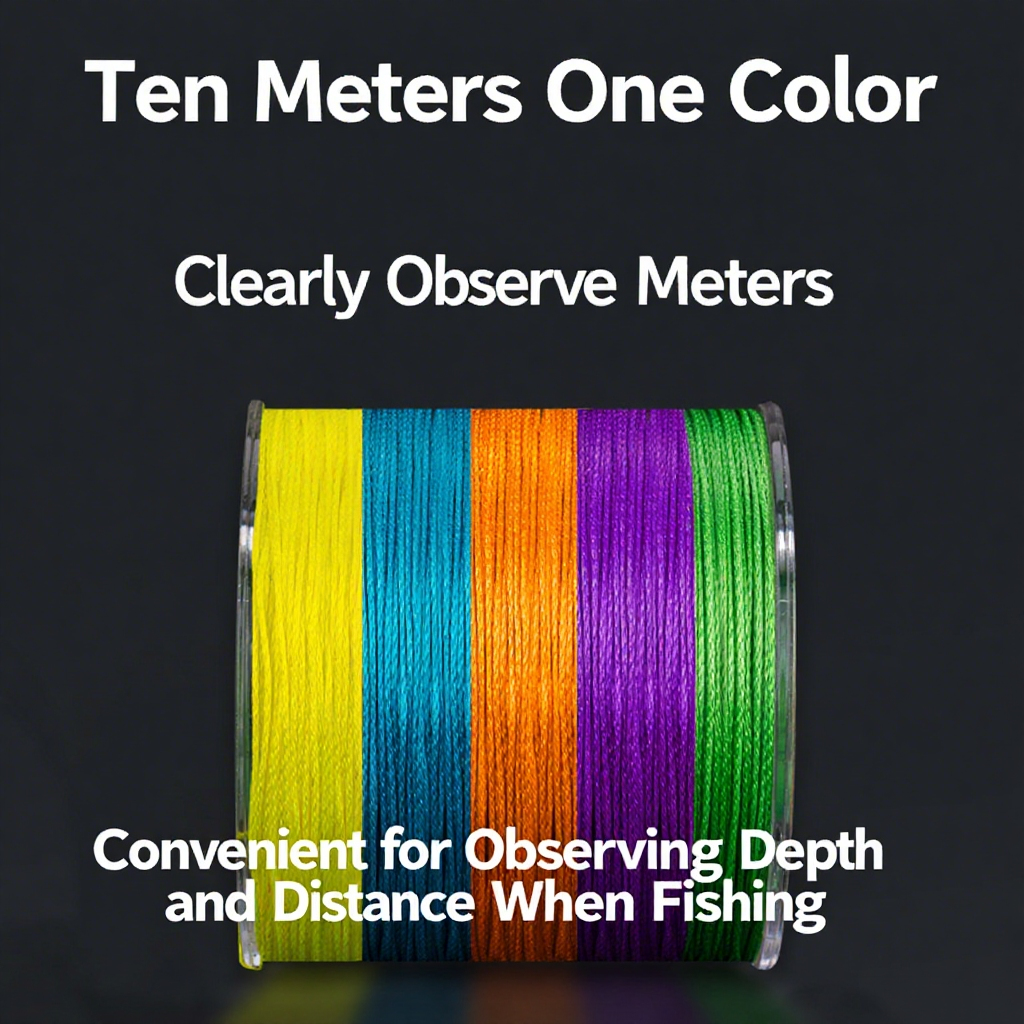
For a complete jigging outfit, check your main line and leader as well. If considering GOOFISH Max-8 braided line, compare the selected option's actual diameter, size, strength and length with rod guidance and reel capacity. See our jigging line guide for those checks.
The GOOFISH Mighty Deep green slow-pitch jigging rod is a rod example for an appropriately matched heavier presentation, not proof of compatibility with every candidate hook. Its jig rating does not establish hook size, fish-weight capacity or a safe lifting limit.
A pre-purchase checklist
- Identify the actual jig, presentation and expected fishing conditions.
- Choose exact hook models to research rather than whole brands.
- Compare physical gap, profile and wire with the jig.
- Check cord, rings and the complete rig for compatibility.
- Verify current local hook requirements.
- Clarify missing specifications and compare selected-option costs.
- Inspect and replace worn components during use.
Slow-jigging hook brand FAQs
Which of these brands is best?
This article establishes no universal winner. Choose an exact model that suits the jig, rig and intended loads rather than a brand-level ranking.
Are the same hook numbers interchangeable?
Not reliably. Compare physical dimensions and shape because size labels differ across manufacturers and styles.
Should I always buy heavier-wire hooks?
No. Strength requirements and presentation weight both matter. Follow product guidance for the intended use.
Can a hook brand guarantee fewer lost fish?
No guarantee is established here. Rig compatibility, point condition, connections, handling and fishing conditions all affect the outcome.
Compare the exact rig, not a brand slogan. Choose for fit and condition, prepare appropriate handling tools and resolve specification questions before buying.




Leave a comment