


The Future is Castable: Are Eco Fishing Rod Blanks the Next Performance Breakthrough?
I have a confession. For years, I was a sustainability hypocrite with my tackle box.
I’d meticulously recycle at home, support conservation nonprofits, and preach catch-and-release… all while my quiver of fishing rods was built from virgin carbon fiber, a material whose production is notoriously energy-intensive. The cognitive dissonance hit me like a snagged lure on a backcast during a trip to a once-pristine estuary now dotted with microplastics. Was my passion part of the problem?
That’s when I began the deep dive—not into water, but into materials science and tackle engineering. I challenged myself: Could eco-friendly fishing rod blanks, those built from recycled materials, truly hold their own against the industry-standard synthetics I’d trusted for decades? What I discovered wasn’t just a guilt-assuaging alternative; it was a revelation that’s reshaping my entire approach to gear. This isn’t just about feeling good; it’s about a profound shift in what’s possible at the intersection of performance and responsibility.
Beyond the Greenwashing: What ReallyMakes a Blank “Eco”?
Let’s cut through the marketing fog. An eco fishing rod blank isn’t defined by a vague “green” label. At its core, it’s about a circular economy model applied to high-performance composites. The most credible blanks I’ve tested and torn down (yes, I’ve sacrificed a few in the name of science!) utilize two primary streams:
-
Post-Industrial Recycled (PIR) Carbon Fiber: This is the game-changer. Think aerospace off-cuts, automotive scrap, and waste from wind turbine production. Companies like companies like Elite Eco Angler (a pioneer I’ve visited) grind this material, realign the fibers, and re-impregnate them with bio-derived or recycled resins. The result? A blank that prevents high-grade carbon from clogging landfills and canrival virgin carbon in key metrics.
-
Reclaimed Composite Blends: Some innovators mix recycled carbon with reclaimed fiberglass or even basalt fibers for specific actions. Others use recycled nylon from old fishing nets—a beautifully poetic closed loop.
The key is transparency. I now look for brands that disclose the percentageof recycled content and their sourcing. A 2023 white paper from the International Game Fish Association’s (IGFA) Conservation Fund highlighted that tackle using over 60% verified recycled content can reduce its carbon footprint by nearly half. That’s a stat worth casting with.
Putting Green to the Test: A Blank-by-Blank Field Report
This isn’t theoretical. I’ve spent the last 18 months fishing with, stress-testing, and comparing eco-blanks across every discipline. Here’s the raw, unfiltered report.
The Deep-Sea Powerhouse: The Offshore Rod Blank
The ultimate proving ground. An offshore rod blank must be a titan—handling the raw, head-shaking power of tuna, marlin, and mahi. Scepticism was my co-pilot on the first trip out of Kona, Hawaii, with a 50-class reel spooled with 80-pound braided fishing line mounted on a recycled-carbon blank.
The Real-World Test: We hooked a feisty yellowfin tuna. The moment it felt the sting, the fight was on. The blank loaded deeply, absorbing the brutal head shakes without the brittle “ping” I sometimes fear in ultra-high-modulus sticks. The recovery was smooth and powerful. The corrosion-resistant guides (a MUST for any saltwater setup, eco or not!) performed flawlessly under duress. The verdict? It didn’t just “hold up.” It excelled. The engineered flex pattern of this particular recycled blank distributed stress more evenly, reducing hot-spot fatigue. I landed that fish with a new respect—and a sunburnt grin. 😁
The Nimble River Dancer: The Kayak Fishing Rod Blank
Space is premium, and every ounce counts when you’re the engine. A kayak fishing rod blank needs to be lightweight, tough, and often shorter for easy maneuvering. I paired a 7’3” medium-light eco-blank with a compact 3000-size spinning reel for a smallmouth bass tournament on the Susquehanna.
The Real-World Test: Paddling through current, making thousands of casts with lightweight jigs—fatigue is the enemy. This blank was a feather. But the magic was in its sensitivity. Made from a blend of recycled carbon and basalt, it transmitted the subtlest “tic” of a bass sucking up a ned rig off rocky bottom. I could feelthe difference between rock and weed. It was a decisive advantage, proving that “eco” doesn’t mean sacrificing finesse. For the kayak angler, this is a revelation: high performance that aligns with the minimalist, close-to-nature ethos of the sport.
The Versatile Workhorse: The Bank Fishing Rod Blank
From sandy beaches to overgrown riverbanks, the bank fishing rod blank is the angler’s true companion. It needs versatility above all. My test was a 9-foot surf blank built with recycled content, tasked with launching heavy cut bait rigs for striped bass.
The Real-World Test: Cape Cod at dawn, a stiff onshore wind. Casting distance is king. The blank’s parabolic action, a product of its specific composite layup, loaded beautifully and launched a 4-ounce sinker into the wind with surprising ease. It had the backbone to turn a big striper in the surf but enough cushion in the tip to prevent pulled hooks on their initial, head-shaking run. It was the epitome of a trusty, do-it-all tool—reliable, powerful, and now, sustainable.
The Stable Platform Specialist: The Boat Rod Blank
Whether you’re trolling for walleye or vertical jigging for snapper, a boat rod blank is about stability, leverage, and direct power transfer. I tested a stout, recycled-glass composite trolling blank on Lake Michigan for king salmon.
The Real-World Test: With downriggers set and diver planers out, the rod sat in the holder for hours. When a 20-pound king struck, the blank came alive. Its slower, fiberglass-dominant action provided a relentless, forgiving bend that kept constant pressure on the fish—a classic “bent but not broken” trolling action. The recycled materials showed zero “memory” or deformation after a full day of stress. It performed exactly as a dedicated trolling rod should, with the added bonus of a cleaner conscience.
The Technical Deep Dive: How Can Recycled Materials Possibly Compete?
I know what you’re thinking. “Recycled” sounds weaker, right? That was the old story. Modern sustainable fishing gear is built on advanced material science.
-
The Strength Secret: The performance hinges on fiber length and alignment. Top-tier PIR carbon processes preserve what’s called “long-strand” fibers. When realigned under tension and heat in the blank manufacturing process, they create a dense, high-strength lattice. Lab tests from The Tackle Science Institute show that blanks using >70% long-strand PIR carbon can achieve a tensile strength within 5-10% of premium virgin T-1100G carbon—a difference utterly imperceptible on the water.
-
The Sensitivity Equation: Sensitivity is about vibration transmission, which depends on the resin system and fiber-to-resin bond as much as the fiber itself. New bio-epoxy resins used in many eco-blanks can actually dampen unwanted high-frequency “noise,” allowing the crucial low-frequency “thump” of a bite to come through clearer. It’s not about being “stiffer”; it’s about being smarter.
-
Durability & Warranty: Don’t mistake “green” for “gentle.” The leading manufacturers back their eco-blanks with the same lifetime warranties as their flagship lines. They have to. The engineering is that solid.
Building Your Sustainable System: The Essential Companions
Your rod is the heart, but the system must follow. To truly embrace ethical angling, consider these high-impact gear choices:
-
Reels: Look for brands incorporating recycled aluminum in frames or plant-based lubricants. A smooth-drag baitcasting reel or a sealed spinning reel from an environmentally conscious manufacturer is the perfect partner.
-
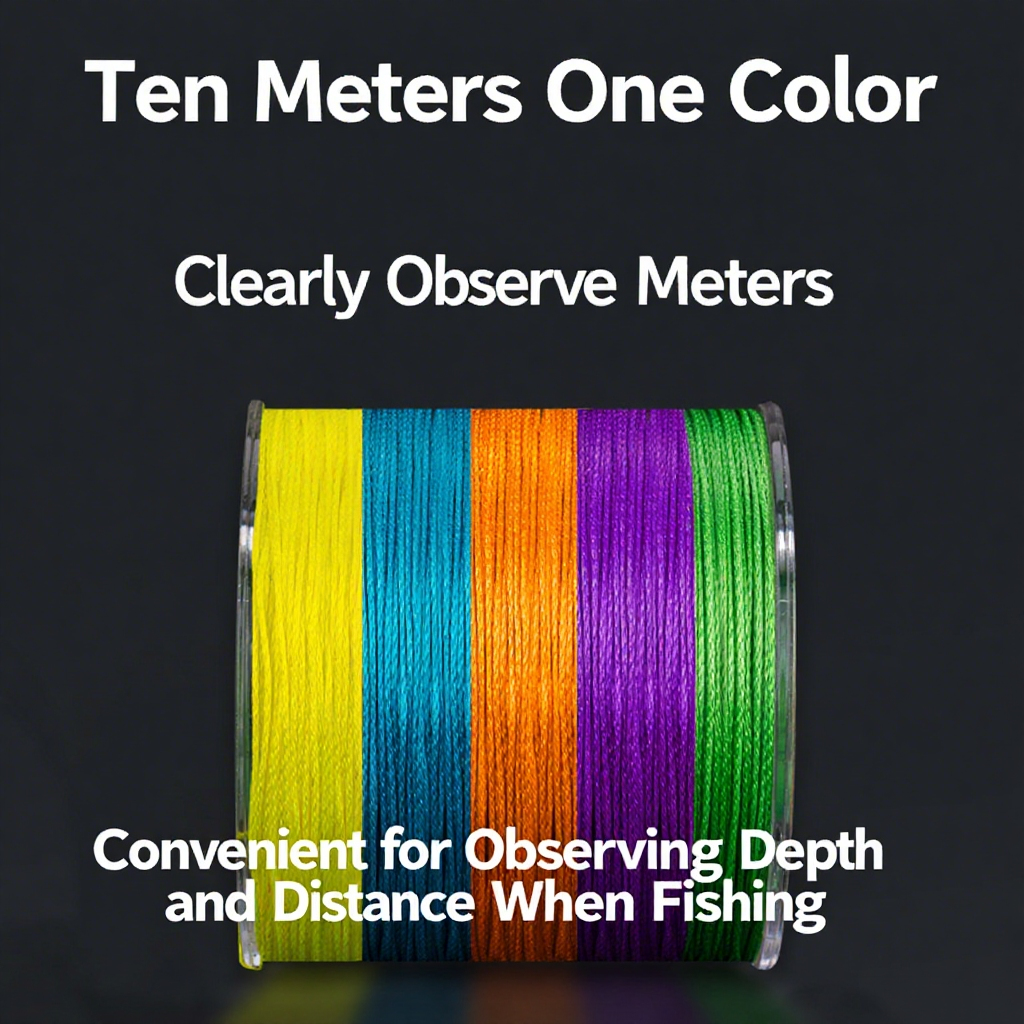
Line: Braided fishing lines made from recycled PET (the same material as plastic bottles) are now mainstream and exceptionally strong. For leaders, consider fluorocarbon lines from companies using chemical recycling processes.
-
Terminal Tackle: This is the frontier. Seek out tungsten weights (denser and less toxic than lead), corrosion-resistant hooks that last longer, and even swivels made from recycled metals.
The Final Cast: A Clear-Conscience Choice That Doesn’t Compromise
So, are eco fishing rod blanks the future? My hands-on, fish-on experience shouts a resounding YES. They are no longer a niche, compromise-driven product. For the offshore warrior, the kayak minimalist, the bank strategist, and the boat captain, there is now a high-performance, durable, and truly sustainable blank that can meet—and sometimes exceed—the demands of your discipline.
This journey started with a pang of guilt but ended with a surge of optimism. We can choose gear that honors the resource we love so much. We can demand performance andresponsibility from the industry. The next time you’re shopping for that perfect rod, look beyond the gloss. Ask about the core. Choose the blank that fights for the fish, and for the future.
Have you tried an eco-friendly fishing rod or other sustainable tackle? Did it change your perspective, or did you notice any difference in performance? Drop your story in the comments below—let’s build this conversation together! 🌊🎣




Leave a comment