


The Jigging Rhythm: How a Simple Up/Down Motion Can Unlock Catfish Chaos 🎸🐟
Let's be honest. For years, my idea of catfishing was a passive waiting game. Soak some stink bait on the bottom, prop the rod, and… wait. It was peaceful, sure, but sometimes, the stillness got to me. I wanted to hunt. That all changed on a sweltering July evening on the Mississippi River backwaters. The bottom rigs were silent. Out of sheer boredom, I tied on a heavy football jig tipped with a piece of cut shad. With nothing to lose, I lifted the rod tip sharply three feet, let it fall, and reeled slack.
THUMP.
It wasn't the tentative peck of a catfish sampling bait. It was a subwoofer punch to the hand, a primal I dare youfrom the depths. That fish, a surly 12-pound channel cat, didn't just bite; it attacked the falling lure. In that moment, I didn't just catch a fish. I learned a fundamental truth: catfish aren't just scavengers. They are opportunistic predators, and the jigging rod up/down motion is the key that triggers their most aggressive instinct. This isn't just fishing; it's conducting a rhythm section in the orchestra of the murky deep.
The Neurobiology of the Strike: Why Up/Down Works
Forget the old myth of catfish as mere bottom-feeders. Modern science, like the research compiled in Dr. Keith Jones' work "Knowing Bass," shows that predatory fish, including catfish, are wired to detect specific stimuli. Jigging brilliantly exploits two of their primary sensory systems:
-
The Lateral Line Assault: That rhythmic up/down rod motion creates sharp, pulsing displacement waves in the water. To a catfish's lateral line (a pressure-sensing organ running along its side), this mimics a wounded, distressed baitfish fluttering and dying. It's an irresistible dinner bell. A slow lift might signal weakness; a sharp, erratic hop screams "easy meal."
-
The Vision Trigger (Even in Murk): Contrary to popular belief, catfish have decent close-range vision, especially for detecting motion and silhouette. In stained water, the sudden vertical rise and fall of your jig creates a stark, triggering contrast against the lighter surface or sky. As legendary catfish guide Captain Josh Brown of "River Wolf Adventures" often states, "A jig doesn't just smell like food; it actslike food in distress. That combination is lethal."
The magic happens in the "fall." That's when 70% of my strikes occur. The catfish sees/senses the fleeing prey, and the moment it pauses and starts to sink, they engulf it. Your job is to make that fall look natural and vulnerable.
Your Jigging Command Center: Non-Negotiable Gear for the Dance
You can't play a concerto on a toy piano. The precision of your motion depends entirely on the tool in your hands. This is where gear transcends "stuff" and becomes an extension of your intent.
The Foundation: Your Catfish Fishing Pole
This is your conductor's baton. For effective jigging, you need a specific blend of power and taper.
-
Power: Medium-Heavy to Heavy. This isn't for finesse; it's for driving a hook through a bony mouth and wrestling a powerful fish from heavy cover. The backbone is crucial.
-
Action: Fast or Extra-Fast. This means the rod bends primarily in the top third. Why? Sensitivity. You need to feel every tiny tick of the jig hopping off a rock and, more importantly, that electric "tap" of a bite on the fall. A slow, parabolic rod will absorb that feel, leaving you in the dark.
Real-Gear Spotlight: The Ugly Stik Catfish Spincast Combo is the undisputed gateway drug to jigging. I've recommended it to dozens of newbies. Its legendary durability means it survives the learning curve (and being whacked on gunwales). More importantly, its unique composite construction offers a surprisingly sensitive tip on a powerful backbone—a perfect beginner jigging profile. It just works.
The Traveler's Choice: For the angler who explores, best 2 piece catfish rods from brands like St. Croix (Mojo Cat series) or B'n'M Poles are essential. Modern two-piece technology offers a seamless ferrule that transmits every vibration, giving you pro-level sensitivity in a packable format. No more compromises.
The Supporting Cast: High-Impact Gear Keywords
Your rod is useless without its perfect partners.
-
Low-Gear-Ratio Reel (5.1:1 or similar): This is critical. Jigging is about power, not speed. A low-gear reel gives you immense cranking power to pull a heavy jig and a big cat off the bottom. It provides slow, controlled lifts that feel natural.
-
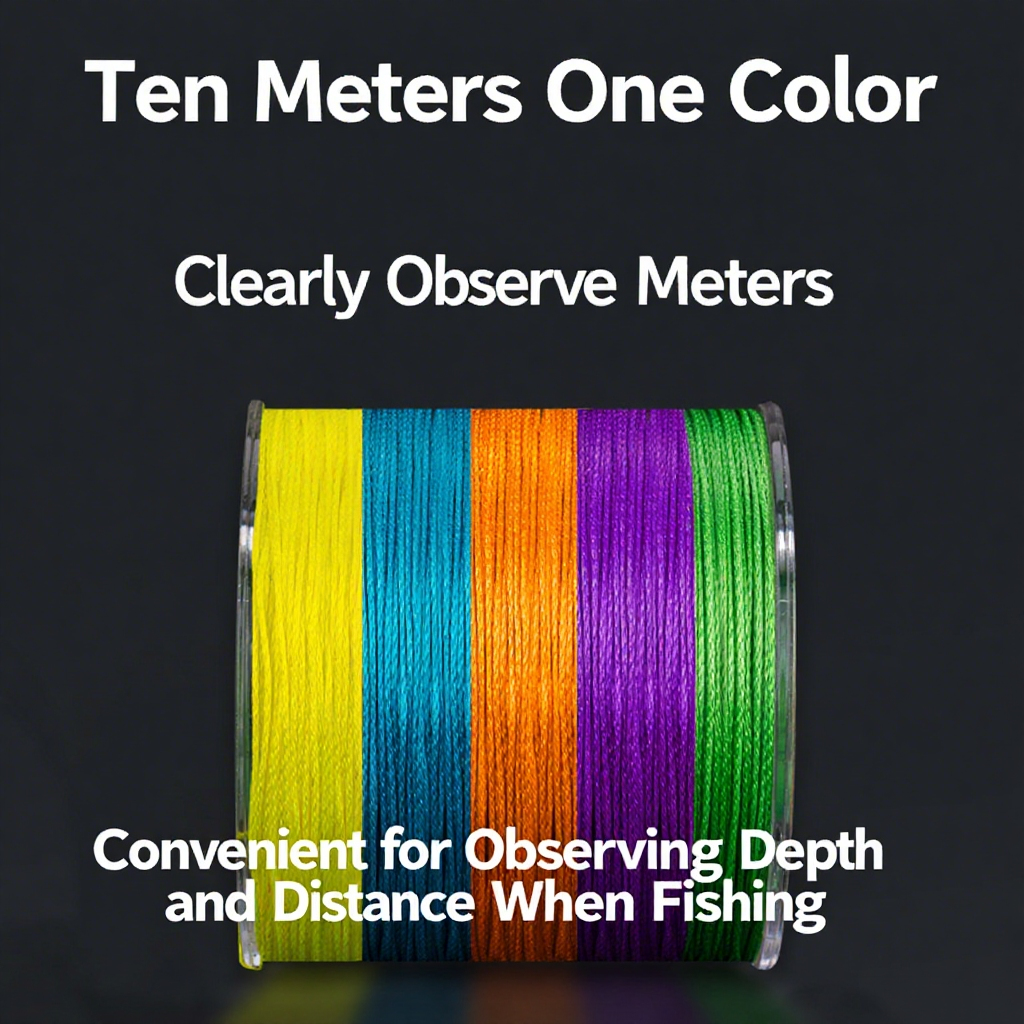
Braided Line (40-65 lb test): Zero stretch is non-negotiable for jigging. It connects you directly to the lure, allowing you to feel the bottom composition and transmit the sharp rod action directly to the jig. That instant connection is what triggers bites.
-
Heavy Jig Heads (1/2 oz - 1+ oz): You need weight to maintain bottom contact in current and to create that pronounced "hop." Bullet-head, football, or swim jig heads are all excellent choices based on bottom terrain.
-
Scent-Impregnated Soft Plastics or Cut Bait: Tip your jig with a large paddle-tail swimbait, a crawfish trailer, or a secure chunk of cut shad. This adds bulk, action, and that crucial scent trail to close the deal.
The Technique Toolkit: From Basic Pulse to Pro Hop
The up/down motion isn't one technique; it's a vocabulary. Here’s how to speak it fluently.
1. The Bottom-Bouncing Metronome (The Foundation):
-
Cast out, let the jig hit bottom. Keep the line taut.
-
Sharply raise your rod tip 2 to 3 feet—use your wrist and forearm, not your whole arm.
-
Immediately lower the rod tip back to the starting position while reeling in the slack line. The jig will hop forward and settle.
-
Rhythm is everything. Find a steady, methodical pace: lift, drop, reel. This is your search mode, covering water and calling in fish from a distance.
2. The Aggressive Yo-Yo (Triggering the Commit):
-
When you sense fish (or get a soft tap), get aggressive.
-
Use a more powerful, 3-4 foot upward sweep of the rod, almost like setting a hook.
-
Let the jig fall on a completely slack line. This is the "dying flutter" that catfish cannot resist. Count "one-Mississippi" as it falls.
-
This technique is murderously effective in summer when catfish metabolism is high.
3. The Dragging Shiver (Cold Water / Finicky Fish):
-
Minimal lift here. Just raise the rod tip 6-12 inches.
-
Instead of letting it fall freely, drag the jig along the bottom with tiny shivers of the rod tip, then let it pause for 5-10 seconds.
-
This mimics a crawfish or nymph barely moving. The strike will often be a subtle "weight" on the line when you go to lift again. Be ready.
Your Next Step: From Reading to Catching
The theory is sound. The gear is ready. Now, it's time to build muscle memory. Start in a known productive area. Put down your stationary rods. For one full hour, do nothing but jig. Focus on the feel of the bottom, the rhythm of the hop, the connection of the braid. Log what you feel. It will feel awkward, then deliberate, then—finally—instinctual. And when that first jig strike rifles up the line, you'll understand. You're not just waiting anymore. You're calling the shots.
Ready to fine-tune your approach? Dive deeper with these specific long-tail searches:
-
best jig head weight for river catfish current
-
how to choose between fast and extra-fast action for catfish jigging
-
braided line leader setup for jigging in rocky snags
-
night fishing techniques for jigging catfish in summer
-
comparing 2-piece vs 1-piece rods for sensitivity when jigging
The water is waiting. The rhythm is simple. The payoff is a whole new, heart-pounding dimension to catfishing. Now, go get that thump! 🤘





Leave a comment