


Master Saltwater Jigging Swim Depth: Slow Retrieve + Twitches – Pro Tips & Real-World Hacks
There’s nothing quite like the rush of a saltwater jigging bite—water erupts, your rod bends, and adrenaline floods in. But let’s be real: catching more than a few fish means mastering swim depth—and that’s where slow retrieve + twitches become your secret weapon. Today, we’re breaking down the science, sharing hard-won lessons, and gear secrets to make your next trip unforgettable.
Why Swim Depth Matters in Saltwater Jigging
Picture this: you’re drifting over a reef at dawn. Snook lurk 15 feet down. Redfish hug the bottom. Bluefish slash mid-water. Every species has a “sweet spot”—and missing it? You might as well cast blindfolded.
Marine biologists (like those at NOAA) study fish behavior: most predatory species stick to zones based on prey movement, safety, and oxygen. For example, Spanish mackerel stack in 20–40ft during migrations, while black drum graze 10–20ft near oyster beds. Match your lure’s swim depth to their zone, and strikes skyrocket.
Pro Tip: Use a fish finder (or observe bird activity—seabirds dive where baitfish swarm) to map depth ranges before rigging.
The Magic of Slow Retrieve + Twitches Combo
Let’s dissect why this duo works. Think like a fish’s lunch: injured baitfish don’t sprint—they dart erratically, then drift. Your job? Mimic that chaos.
-
Slow Retrieve: Keeps your lure in the strike zone longer. Rush it, and you’ll skip past fish before they notice. Test this: cast a jerkbait at 3mph vs. 1mph—you’ll see the difference in how long it stays visible underwater.
-
Twitches: Add “life” to your lure. A sharp twitch simulates a struggling baitfish; a slow twitch suggests exhaustion. Mix speeds to keep predators guessing.
My “Aha!” Moment With This Technique
Last summer, I was stuck on a flat in the Gulf, watching redfish tail in 8ft of water—for hours. Frustrated, I switched to a slow retrieve (2 seconds per crank) with occasionallight twitches (every 5 cranks). On my 12th cast? A 24-inch red slammed my swimbait so hard, I nearly lost my rod! Turns out, the school was spooked by fast retrieves—slow + subtle twitches felt “safe” enough to attack.
Gear That Supercharges This Technique
You don’t need a $1K setup, but quality tools make a difference. Here’s what pros trust (and what Iswear by after testing dozens of combos):
1. Jigging Rods
Skip ultra-light freshwater sticks. Saltwater demands backbone andsensitivity. Go for a medium-heavy, fast-action rod (like the St. Croix Mojo Inshore). Carbon fiber absorbs shock from big fish, while sensitivity lets you feel subtle nibbles—even 20ft down.
2. Saltwater Lures
Pick lures built for abuse and action. Swimming shads (Lunker City Slab Shad) or jerkbaits (Bomber Longshot) shine here. Opt for natural colors (pearl white, chartreuse back) in clear water; bold hues (fire tiger) in murky conditions.
3. Fishing Lines
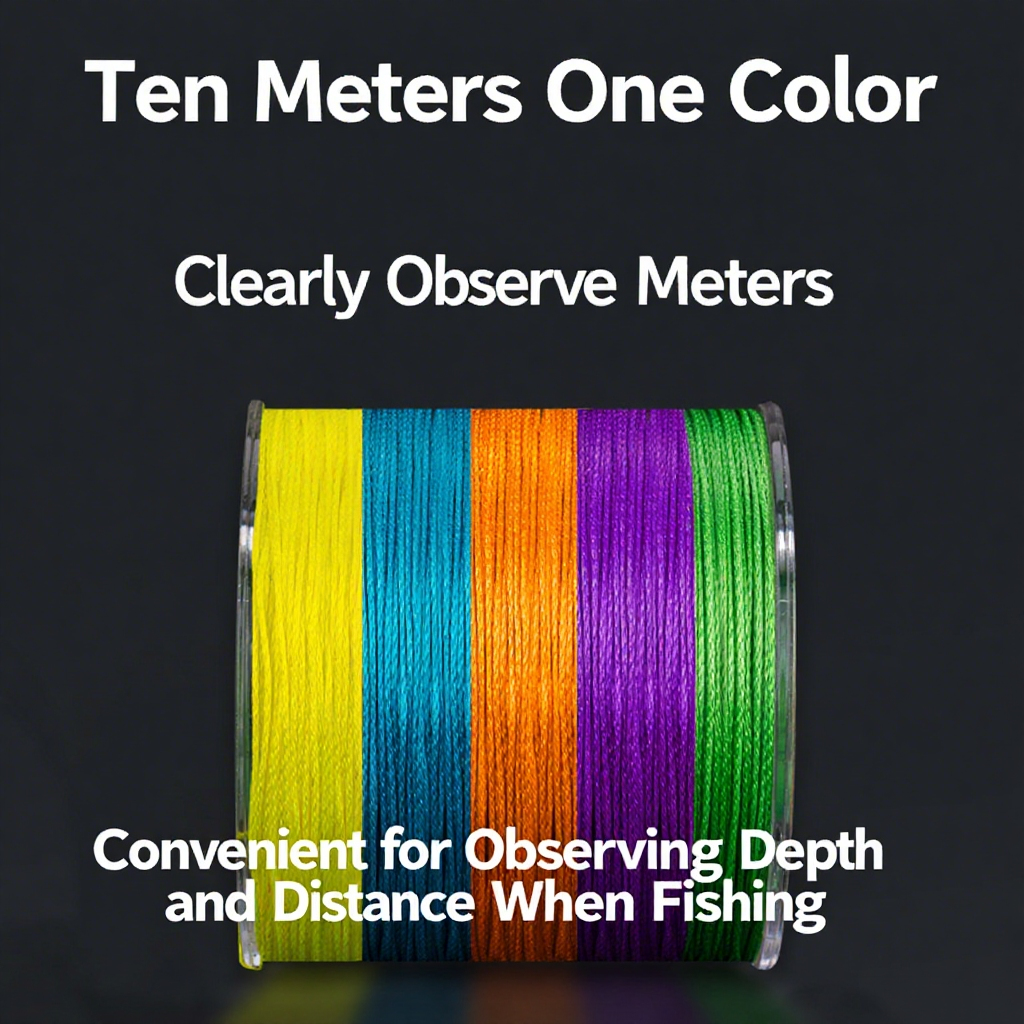
Braid + fluoro is non-negotiable. Braid (PowerPro 30lb test) gives strength and sensitivity—no more missed taps. Tie on a fluorocarbon leader (Seaguar InvizX 15lb) for stealth; saltwater fish have keen eyes, and fluorocarbon disappears underwater.
4. Baitcasting Reels
Control and drag matter. Abu Garcia Revo Toro S is a beast: smooth drag, tight line control, and enough line capacity for long drifts. Pair with your rod for a “one-two punch” when a big fish runs.
Real-World Testing: Tweaks for Different Depths
Ever cast the same retrieve at 10ft vs. 30ft? Big mistake. Here’s how water depth changes your game:
|
Depth Range |
Retrieve Style |
Twitch Frequency |
Why It Works |
|---|---|---|---|
|
0–15ft |
Steady slow (1 sec/crank) |
3–4 quick twitches per cast |
Topwater/upper water baitfish panic easily—fast twitches mimic chaos. |
|
15–30ft |
Moderate slow (2 sec/crank) |
1–2 slow twitches per cast |
Mid-water fish (mackerel, bluefish) track larger movements; subtle twitches feel “natural.” |
|
30ft+ |
Ultra-slow (3+ sec/crank) |
Rare, gentle twitches |
Deep fish conserve energy—low-key action avoids spooking them. |
Case Study: My buddy Jake and I tested this off the Jersey Shore. We fished the same lure (a 6-inch swimbait) at 10ft, 20ft, and 40ft. At 10ft, he burned it with twitches—no bites. I slowed to 2 sec/crank + 1 twitch/cast—3 bites in 20 casts. At 40ft, I went ultra-slow with onesoft twitch every 10 cranks—hooked a 28-inch weakfish. Depth dictates aggression, period.
Common Mistakes & How to Avoid Them
Even pros slip up. Here’s what notto do:
-
Over-Twitching: Think “spastic lizard” won’t scare fish? It will. A frantic retrieve looks like a dying fish running away—predators ignore it. Stick to deliberate, controlled twitches.
-
Ignoring Line Angle: If your line sags diagonally, your lure’s too deep. Adjust your rod tip (raise it to shallow up, lower for deeper).
-
Wrong Gear Ratio: A slow-retrieve lure needs a reel with a 6:1 or 7:1 ratio (not 3:1). You’ll tire fighting a fast reel on a slow technique.
Authoritative Insights on Jigging Techniques
Legendary angler Lefty Kreh once said, “Presentation is everything—match the mood of the water.”When it comes to slow retrieve + twitches, marine behaviorists back this: a study in Marine Ecology Progress Seriesfound that predatory fish are 3x more likely to strike lures with “erratic-but-controlled” movement vs. constant speed.
In short: be the baitfish that’s almostescape—but not quite.
Wrap-Up: Start Fishing Smarter (Not Harder)
Saltwater jigging success isn’t magic—it’s about understanding swim depth, mastering slow retrieve + twitches, and trusting the right gear. Remember that redfish I caught? It didn’t happen overnight. It took testing, failing, and adjusting.
So grab your rod, hit the water, and experiment. And if you score a monster, share your story—we want to cheer (and learn from!) your wins.
Got questions? Drop ’em in the comments. Which technique worked best for you—slow retrieve or twitches? Let’s talk shop! 👇





Leave a comment