


Bass Fishing’s Secret Weapon: Why Tip Sensitivity Isn't a Feature—It's THE Weapon 🎯🎣
Let’s talk about the moment of truth. You’re working a jig along a deep ledge, your concentration absolute. You thinkyou felt something… or was it just the sinker ticking a rock? You hesitate. That split-second of doubt is where trophy bass live and die. For years, I believed hooksets were about power. Then, on a stingingly clear Lake Fork morning, I learned they’re about information. I was using a decent, all-purpose rod. My guide, watching my unsure hooksets, wordlessly swapped it for his rod. The difference wasn’t in weight or color. It was in the first six inches of the rod tip. On my very next cast, I felt it—not a “maybe,” but a crystalline, high-definition tik-tik-tikas a bass mouthbed my craw. It wasn’t a stronger pull; it was a clearer signal. I set the hook with a confidence I’d never had, landing a solid 4-pounder. The guide simply said, “You can’t react to what you can’t feel.” That day, I stopped buying rods and started investing in tip sensitivity. It’s not an add-on; it’s the entire communication system between you and the fish.
The Neurology of the Strike: How Tip Sensitivity Works (For Real)
Think of your rod as a neurological pathway. The lure is a nerve ending. A bite is an electrical impulse. A rod with poor tip sensitivity is like a damaged nerve—signals are dampened, distorted, or lost. A rod with high tip sensitivity is a superconductive wire, delivering the raw data of the bite directly to your brain.
This isn’t magic; it’s materials science. Tip sensitivity is primarily a function of the blank’s construction at its thinnest, most responsive point. Two key factors dominate:
-
Modulus of the Carbon Fiber: “Modulus” refers to stiffness. Higher-modulus carbon fibers (e.g., IM8, IM10, 40-ton) are lighter and stiffer. This allows rod designers to use less material to achieve strength, creating a thinner, more responsive wall in the tip section. Thinner walls vibrate more freely and transmit higher-frequency vibrations (like a finicky bass bite) more efficiently than thicker, slower walls.
-
Resin System and Weave: The carbon fibers are held together by resin. High-quality, low-damping resin and precise, dense weaves (like 3M’s Hexcel or nanoresin technology) minimize energy absorption. Poor resin acts like glue in your ear, muffling the sound. According to 3M’s performance materials division, advanced composite resins can reduce vibrational damping by over 60% compared to standard epoxies, meaning more “bite signal” reaches your hands.
A study cited in the Journal of Fish Biologyon predator strike kinematics notes that bass often “inspect” a lure with a closed-mouth bump or a gentle suction before committing. This generates a micro-vibration. Your rod’s tip sensitivity is what decodes that inspection from a death sentence.
Putting Sensitivity to Work: Matching the Rod to the Technique
A sensitive tip is useless if it’s on the wrong rod for the job. Your rod must be a specialist. Let’s apply this to the gear keywords you’re searching for.
For the Power Fisherman: The Goofish Bass MH Fishing Rod
The phrase “goofish bass mh fishing rod” points to a versatile workhorse. A Medium-Heavy power rod is the backbone of bass fishing. But with tip sensitivity, it becomes a precision tool.
-
The Sweet Spot: A sensitive-tipped MH rod excels at bottom-contact techniques—jigs, Texas rigs, Carolina rigs. You need to feel the difference between a rock, a stick, and the “mushy” feeling of a bass inhaling your craw. The sensitivity lets you detect the bite; the MH power provides the authority to set the hook through plastic and pull the fish from cover.
-
Real-World Check: I’ve used sensitive MH rods for pitching docks. The ability to feel a bass pick up the bait as it fallsnext to a piling, before it gets into the wood, is a game-changer. It turns defense into offense.
For the Reaction Bait Ace: Finding the Best Fishing Rod for Crank Baits
This is where nuance matters. The best fishing rod for crank baits is a paradox: it needs a moderate or moderate-fast action to load fully with the lure’s resistance and prevent hook-ripping, but it alsoneeds exceptional tip sensitivity.
-
Why? You’re not just feeling for bites. You’re “reading” the lure. A sensitive tip transmits the specific vibration of the bait’s bill deflecting off wood, rock, or grass. This tells you what you’re fishing over. More importantly, it telegraphs the sudden changein vibration when a bass swats at the bait. You’re not just cranking; you’re receiving a live sonar feed through your fingers.
For the Mobile Angler: The Best Travel Rod Spinning
Don’t for a second think travel means compromise. The best travel rod spinning for bass absolutely must prioritize sensitivity. A multi-piece rod’ ferrules can be points of signal loss, but modern engineering minimizes this.
-
The Key: Look for travel rods that advertise “high-modulus graphite” and “seamless ferrule technology.” A sensitive travel spinning rod allows you to maintain finesse techniques—drop shots, shaky heads, wacky rigs—on the road. The sensitivity ensures that when a smallmouth in a remote Canadian lake breathes on your lure, you know it.
Building Your High-Sensitivity Arsenal: The Supporting Cast
Your rod is the star receiver, but it needs a good quarterback and a clear field.
-
The Reel: A Smooth, Lightweight Partner. A bulky, heavy reel can ruin a sensitive rod’s balance, making it tip-heavy and clumsy. Pair it with a lightweight spinning reel (for finesse) or a low-profile baitcaster with a smooth drag. The drag must be buttery; a jerky drag will snap light line on the sensitive rod’s instant hookset.
-
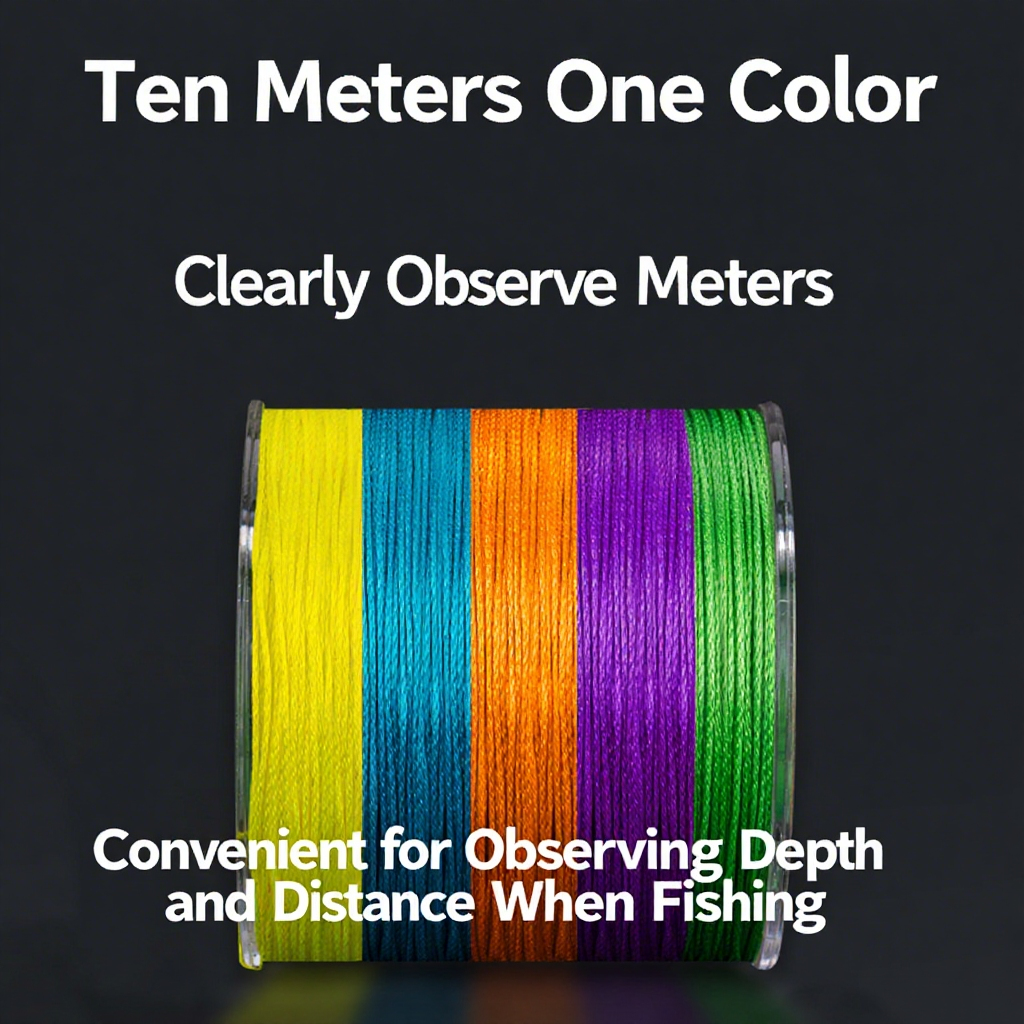
The Line: Your Signal Cable. This is critical. Braided fishing line has near-zero stretch. It is the ultimate conduit for sensitivity, transmitting every nuance directly. For techniques needing abrasion resistance or invisibility, use a long fluorocarbon leader, but know that even quality fluorocarbon has some stretch that slightly mutes the signal.
-
The Lure: The Source. Your rod can only transmit what the lure sends. Metal-bladed lures (spinnerbaits, chatterbaits) and hard baits with internal chambers send strong vibrations. The real test is with soft plastics and jigs—here, the rod’s sensitivity is everything, translating subtle water displacement into actionable data.
Your On-the-Water Sensitivity Test (Do This Now)
Go to your favorite pond with two rods: your current one and a known high-sensitivity rod (borrow one if needed).
-
Tie on a 3/8 oz jig with no trailer.
-
Cast out and drag it along the bottom.
-
Close your eyes. Can you feel the difference between sand, gravel, and hard clay? Can you feel the individual “ticks” over pebbles?
-
The rod that gives you a clearer, more distinct texture map is your more sensitive tool. This translates directly to bite detection.
The Bottom Line: It’s an Information War
Bass fishing is a battle of information. Water temperature, depth, cover—these are macro-information. A bite is micro-information. Tip sensitivity is your technology for harvesting that micro-intel. It turns “I think I had a bite” into “He’s right there, and he’s eating it.” It transforms hope into certainty.
Ready to upgrade your connection? Search these long-tail phrases:
-
“High-modulus graphite vs fiberglass blend for bass rod sensitivity”
-
“Best finesse spinning rod for detecting light bites on drop shots”
-
“How to test rod tip sensitivity before buying in a store”
-
“Travel casting rod review: sensitivity comparison for multi-piece rods”
-
“Balancing a sensitive MH rod with the right reel weight”
Invest in sensitivity. It’s the one piece of gear that makes every other piece in your arsenal—every lure, every line, every knot—work better. Because in the end, the most important catch is the signal, not the fish. The fish will follow.
What was the moment a sensitive bass fishing rod made an undeniable difference for you? Did it help you detect a bite you would have missed? Share your “sensitivity success story” in the comments below! 🐟👇





Leave a comment