


The Beginner's Guide to Choosing Your First Rod: Your Rod, Your Rules
So, you’re ready to buy your first fishing rod. The excitement is real! But let’s be honest—scrolling through endless options feels less like shopping and more like decoding a foreign language. “Medium power? Fast action? 7-foot? Graphite composite?” 🤯
I remember my first purchase. I saw a shiny combo on sale, thought “longer must be better,” and bought a 9-foot beast. My mission? Tiny brook trout in a brush-choked creek. It was a comedy of errors. I spent more time untangling my backcast from bushes than actually fishing. I had a rod, but it was the wrongrod. That frustration taught me the most valuable lesson: Your first rod isn’t about finding the ‘best’ one; it’s about finding the right tool for YOUR fishing.
This guide is different. We’re skipping the generic lists. Instead, we’re going to build your personal fishing profile and match it to the engineering behind the rod. Let’s turn confusion into clarity.
Step 1: Diagnose YOUR Fishing (Forget the Rest)
Before you look at a single spec, answer these three questions:
-
What’s Your Primary Target? (Be specific!)
-
Panfish & Trout in Small Water: You need finesse and accuracy over brute strength.
-
Bass in Lakes/Ponds: You need versatility for different lures and techniques.
-
Catfish from the Bank: You need power to cast heavy weights and winch fish from cover.
-
-
What’s Your “Home Water”?
-
Tiny Creeks & Brushy Banks: A shorter rod (5’6” - 6’6”) is your ally for maneuverability.
-
Open Lakes & Big Rivers: A longer rod (6’6” - 7’6”) will help you cast farther and control fish better.
-
Kayak or Canoe: A rod around 7 feet gives you a good balance of control and leverage in a confined space.
-
-
What’s Your “Fishing Personality”?
-
The Finesse Fanatic: You enjoy the puzzle, working light baits, and feeling every tiny tap.
-
The Power Angler: You like throwing bigger baits and muscling fish out of heavy cover.
-
The Relaxed Generalist: You just want to catch fish, have fun, and not overthink it.
-
Hold these answers in your mind. They are the blueprint. Now, let’s translate them into technical specs.
Step 2: The “Secret Decoder Ring” for Rod Specs
This is where most guides stop. We’re just getting started. Let’s decode the label.
Power & Action: It’s NOT What You Think
-
Power (Light, Medium, Heavy): This is the rod’s spinal strength—its ability to lift weight. Think of it as the engine size.
-
Light Power: Perfect for small hooks and light lines. Protects delicate trout mouths. Your choice for panfish and small stream trout.
-
Medium Power: The Swiss Army Knife. Handles a wide range of bass lures, walleye jigs, and is a superb all-rounder. This is likely your sweet spot.
-
Heavy Power: Built for heavy jigs, punching through mats, or setting large hooks in a catfish’s mouth. Not for beginners unless you’re specifically targeting big, tough fish.
-
-
Action (Slow, Moderate, Fast, Extra Fast): This is WHERE the rod bends. Think of it as the suspension system.
-
Fast Action: Bends mostly in the top 25-30%. Feelsstiffer. It transmits bites to your hand instantly (super sensitive) and allows for a very quick, powerful hookset. Ideal for single-hook lures like worms, jigs, and topwaters where you need to “cross their eyes.”
-
Moderate Action: Bends gracefully into the middle. The “forgiving” action. It loads easily for casting, protects lighter line, and is perfect for treble-hook lures (crankbaits, jerkbaits) because it keeps constant pressure without ripping the hooks free. A study by the American Sportfishing Association (ASA) on hook retention found a moderate action can reduce throw-offs by up to 18% on hard-fighting, jumping fish.
-
Your First-Rod Cheat Sheet:
-
All-Around Bass/Panfish: Medium Power, Fast Action (e.g., a 7’ M/F). Sensitive, versatile, and a fantastic teacher.
-
General Pond/Lake Fun: Medium-Light Power, Moderate Action (e.g., a 6’6” ML/M). Easier to cast, more forgiving, great for learning.
The Material Science: Graphite vs. Fiberglass
-
Graphite (Carbon Fiber): Lightweight and highly sensitive. It telegraphs vibrations (a bass nibbling your worm) directly to your hand. Feels “crisp.” A goofish freshwater fishing rod built with quality graphite will help you detect bites you’d otherwise miss.
-
Fiberglass: Durable and flexible. It has a slower, deeper bend. Less sensitive, but nearly indestructible and great for crankbaits or fishing with kids.
-
Composite: A blend of both. Aims for the sensitivity of graphite with the durability of glass. Many excellent fishing rod options for beginners use this.
Step 3: Build Your System – The Rod Doesn’t Fish Alone
Your rod is the quarterback, but it needs a team. Mismatched gear will undermine even the best rod.
-
The Perfect Partner: The Reel
-
For 95% of beginners, a size 2500 or 3000 spinning reel is the answer. It’s intuitive, tangle-resistant, and pairs perfectly with a medium-power rod. Look for a model with a smooth drag—this is what tires the fish, not your biceps.
-
-
The Nervous System: Your Line
-
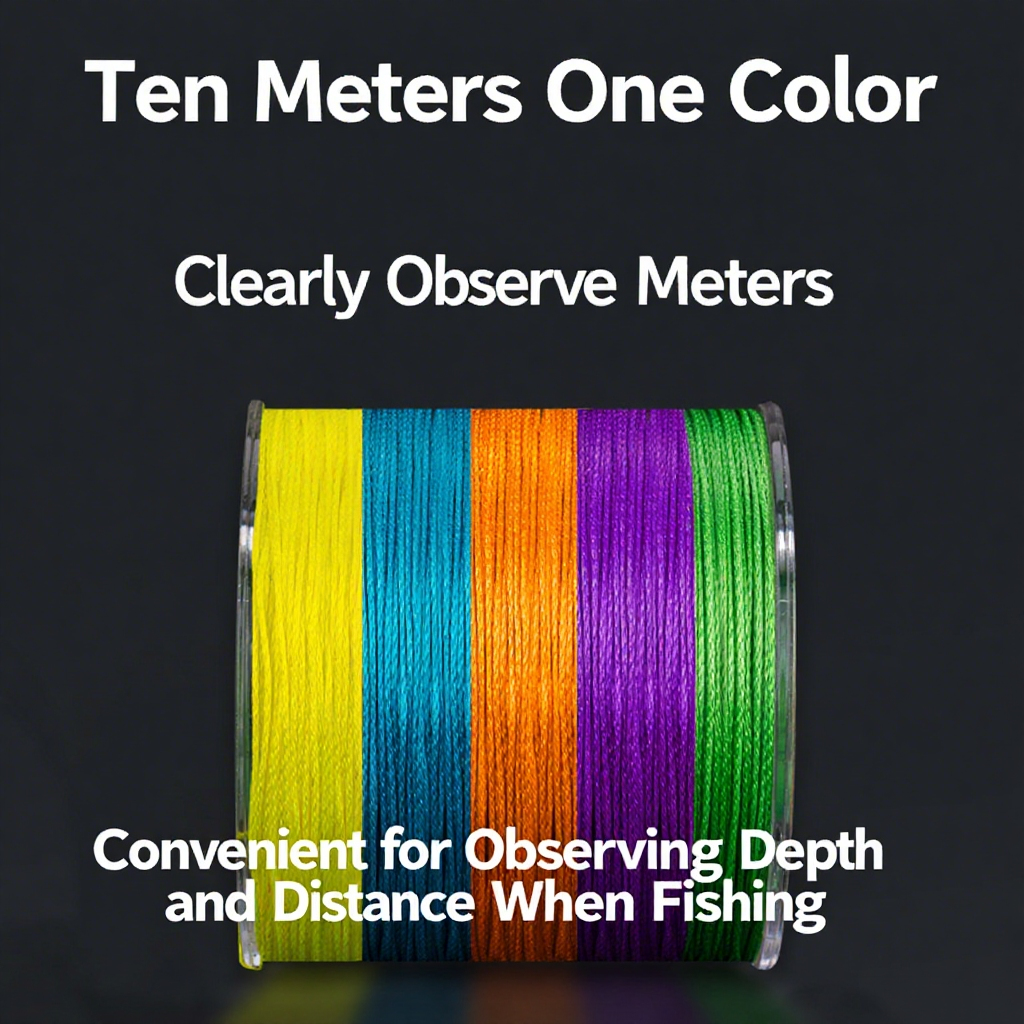
Start with 8-10 lb monofilament. It’s cheap, forgiving, and easy to tie knots with. As you advance, you’ll appreciate the sensitivity of braided fishing line and the invisibility of fluorocarbon leader, but mono is the perfect training wheels.
-
-
The Business End: Terminal Tackle
-
Don’t ignore the small stuff! A pack of 3/0 EWG Worm Hooks, some ¼ oz bullet weights, and a bag of soft plastic lures (like stick baits) will catch fish anywhere. This is your starter arsenal.
-
My “Ah-Ha!” Moment & A Tested Recommendation
After my “tree magnet” 9-foot rod debacle, I bought a 7-foot, medium-power, fast-action rod. It was a revelation. I could feel the difference between a pebble and a bass picking up my worm. I could cast a small soft plastic lure under a dock. I started catching fish consistently.
For someone starting out today, looking for a balanced, ready-to-fish option, I’d point them towards a reliable goofish store fishing pole combo. Why? A good combo ensures the reel is properly matched to the rod’s balance and power, eliminating the guesswork. It’s the fastest way to get a harmonious system in your hands.
Your First Cast Awaits
Choosing your first rod is a rite of passage. It’s the tool that will translate your curiosity into connection—with the water, the fish, and the quiet focus of the sport itself.
So, what’s your fishing profile? Are you a finesse fanatic eyeing small streams, or a generalist ready for the local pond? Share your target in the comments—let’s discuss the perfect rod for YOUR adventure. 🌊
-
What is the best all around fishing rod for a beginner?
-
How to choose between a medium or medium light power rod.
-
Spinning reel size guide for freshwater fishing.
-
Best fishing combo for bass under $100.
-
Fast action vs moderate action rod for beginners.




Leave a comment