


Vertical Jigging: Your Ultimate Rod Spec Decoder – Cracking the Code to More Fish
Let’s be brutally honest for a second. How many times have you stood in a tackle shop, or scrolled endlessly online, staring at the alphanumeric soup on a vertical jigging rod label and felt completely lost? “PE 3-5, 150-350g, 6’6” Fast Action, 30-50lb.” It might as well be ancient hieroglyphics. You nod along, hoping the salesperson is right, or you just buy the prettiest one. I’ve been there. I bought a rod once because I liked the color of the reel seat. It was, to put it mildly, a disastrous and expensive lesson in how notto communicate with a 40-pound amberjack.
That trip was my wake-up call. The rod was too stiff, the action was all wrong, and I spent the day feeling like I was trying to lift a car with a crowbar instead of dancing a lure. I caught nothing but frustration. It was then I realized: the secret language printed on the rod isn’t marketing fluff; it’s the operator’s manual for success. Let’s decode it together, so you never make my mistake.
The Three Names: More Than Just Semantics
First, let’s address the elephant in the room. You’ll hear vertical jigging rod, vertical jig rod, and jigging rod vertical. Is there a difference? In practical terms, not really. They’re all searching for the same specialized tool. “Vertical Jigging Rod” is the most complete, descriptive term. “Vertical Jig Rod” is a common shorthand. “Jigging Rod Vertical” often pops up in searches, mixing the word order. They all point to one thing: a purpose-built stick designed for working lures directly below the boat in the water column. Think of them as precise depth-specific scalpels, as opposed to the general-purpose knives of casting or trolling rods.
Cracking the Core Cipher: Power, Action, and Length
This is where we move from confusion to clarity. These three specs are the holy trinity.
1. Power Rating (PE/LB Range): The Rod’s “Muscle”
-
The Code: You’ll see it as a PE range (PE 2-4) or a line class range (20-40lb).
-
The Decode: This tells you the rod’s brute strength and the jig weight it’s designed to handle optimally. PE (Polyethylene) is a standard for braided line thickness. Lower PE numbers (1-3) mean thinner line for lighter jigs and smaller fish. Higher PE (4-8+) is for heavy jigs and monsters.
-
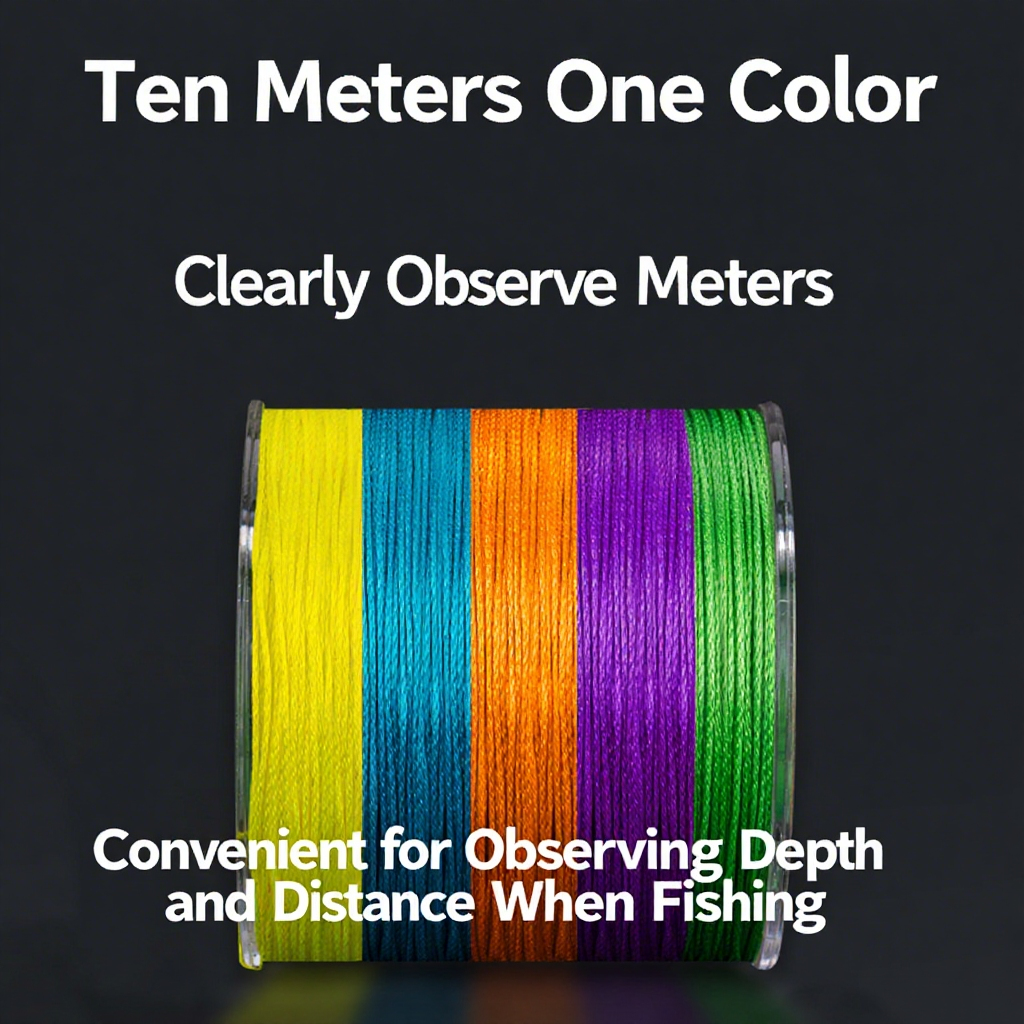
The Real-World Application: A rod rated PE 2-4 / 150-250g is a medium-power workhorse. It’s perfect for 5-8oz jigs targeting species like amberjack, grouper, and sizable snapper. It has enough backbone to lift a fish but enough flex to enjoy the fight. Pair it with a reel spooled with heavy duty braided fishing line in the 40-65lb test range. Using a rod with too high a power rating for light jigs is like using a sledgehammer to tap in a nail—you lose all sensitivity and action.
2. Action: The Rod’s “Personality”
-
The Code: “Fast,” “Extra Fast,” “Moderate-Fast,” or “Parabolic.”
-
The Decode: This describes wherethe rod bends. A Fast Action bends primarily in the top third. It’s incredibly sensitive, transmits bites instantly, and allows for quick, sharp jigging motions. A Parabolic or “Slow Pitch” action bends deep into the blank, creating a smooth, sweeping curve. It’s forgiving, protects light lines, and imparts a tantalizing, fluttering action to the jig.
-
The Real-World Application: I learned this the hard way. For the aggressive, “yo-yo” style jigging I love for king mackerel, a fast-action rod is my go-to. The tip telegraphs the lightest tap, and the stiff mid-section drives the hook home. But when I’m targeting finicky fish in deep water with slow-pitch jigs, a parabolic jigging rod action is non-negotiable. It isthe technique. As legendary tackle designer Doug Hannon once noted, “The rod is an extension of your nervous system.” The action determines how your intentions are translated underwater.
3. Length: Your “Leverage and Control”
-
The Code: Measured in feet and inches (e.g., 5’6”, 6’3”, 7’).
-
The Decode: Shorter rods (5’6”-6’) offer more direct power for high-speed pumping and are easier to use in tight quarters or on a rocking boat. Longer rods (6’6”-7’+) provide greater leverage when fighting a fish, more sweeping hook-set power, and better control over the jig’s fall on a slack line.
-
The Real-World Application: My 6’3” rod is my weapon of choice for deep drops over wrecks. Its shorter length gives me a mechanical advantage for the relentless pumping required. My buddy’s 7’ slow pitch jigging rod allows him to make long, sweeping motions that make the jig swim with an irresistible, wounded prey action. The right length is often the difference between efficient fighting and exhausting struggle.
The Hidden Specs: What’s NOT Always on the Label
Blank Material: The soul of the rod. High-modulus carbon fiber rod blanks are the gold standard. They’re lighter, more sensitive, and more powerful for their weight than fiberglass or composite blends. When you feel a fish “breathe” on your jig 300 feet down, you’re thanking the carbon fiber.
Guide Quality: The unsung heroes. Look for lightweight, hard-chrome frames with smooth, durable rings like Aluminum Oxide or, even better, SiC (Silicon Carbide). These reduce friction, dissipate heat from the fast-running braided fishing line, and are incredibly tough. A rod with cheap guides is a high-performance engine with plastic bearings—it will fail.
The Handle & Reel Seat: Your connection point. A full, well-shaped EVA or cork foregrip allows for multiple hand positions during a long fight. The reel seat must be robust, corrosion-resistant, and lock your reel in place with absolute security. There’s no feeling worse than a loose reel when a fish runs.
Building Your Perfect Setup: A Personal Blueprint
So, how does this all come together? Let’s build a theoretical rod for a common scenario: offshore jigging for 30-80lb class fish like yellowtail, amberjack, and grouper.
-
The Decoded Specs: You’d want a rod that reads something like: 6’6”, PE 3-5, 200-400g, Fast Action.
-
What This Means: This is a versatile, all-around beast. The 6’6” length gives you great leverage and control. The PE 3-5 (approx. 40-80lb braid) rating gives you the muscle to stop big fish. The 200-400g (7-14oz) jig range covers most offshore metal jigs. The Fast Action provides the sensitivity for deep-water bites and a powerful hook set.
-
Pair it With: A sturdy, high-speed conventional reel filled with 65lb heavy duty braided fishing line, a short fluorocarbon leader, and you have a system that speaks the language of power and precision.
Remember, the best vertical jigging rod isn’t the most expensive one; it’s the one whose secret language you understand, and that matches the specific conversation you want to have with the fish below. Decode the specs, and you don’t just buy a rod—you recruit a partner. Now, go read those labels with confidence. 🎣





Leave a comment