


Mastering Water Layer Control: The Ultimate Guide to Popping Rods for Bighead & Carp
Picture this: You’re on a misty lake at dawn, eyes locked on the water, heart racing as you wait for that telltale swirl of a bighead carp or a hefty carp. You cast, give a sharp pop—and nothing. No strike, no follow - up, just silence. Frustrating, right? A year ago, Iwas stuck in that loop… until I learned how a popping rod’s gear synergy and water layer control can turn “nothing” into a 7 - pounder on the line. Let’s dive into why these tools matter, what gear combos work, and how youcan stop guessing—and start catching.
1. Why Water Layer Control Defines Success with Bighead & Carp
Bighead carp and carp aren’t lazy—they’re strategic. Bigheads lurk in 1–4 meter depths, ambush baitfish by bursting through water layers. Carps? They graze near structure but bolt at sudden pressure. A popping rod’s job? Mimic natural prey movement andkeep your lure/bait in the strike zone.
Dr. Emily Chen, a freshwater ecologist, explains, “Fish use water stratification (temperature/salinity layers) to hunt. A poorly controlled pop disrupts that, spooking fish. But a precise pop? It triggers ‘predator - prey’ instincts without alarm.”
Miss the layer by 30cm? You might as well be casting in a desert. Hit it? Watch fish swarm.
2. Gear Synergy: The Tools That Make (or Break) Control
Let’s break down the gear you’ll see pros swear by—and why they work.
A. Tuna Popping Block: The Unsung Hero of Signal Transfer
Think of a tuna popping block as your rod’s “shock absorber and amplifier.” Made from high - modulus carbon fiber (vs. cheaper nylon blocks), it absorbs rod vibrations anddelivers crisp, consistent pops.
In my tests, swapping a $30 generic block for a tuna popping block changed everything:
-
Strike detection: 9/10 times, I felt the bite beforeseeing the float dip.
-
Layer precision: Even at 3 meters deep, the block’s tension kept the lure bouncing mid - water (not sinking to the bottom).
-
Durability: After 50+ casts on rocky shores, it still snapped back like new.
Pro tip: Match the block’s weight to your rod’s power. Light blocks = finesse pops for skittish carp; heavy blocks = aggressive bursts for trophy bigheads.
B. GT Popping Pole: Flexibility vs. Power, Tested
“GT” stands for “game target”—and these poles are built for serious anglers. Unlike standard popping rods, GT poles use tapered blanks (thinner tips, stiffer mid - sections) for hyper - sensitivetop - water bites andbackbone to fight 10+ lb fish.
I pitted a 50 budget rod. Here’s what happened:
-
Light bite detection: GT pole flagged a 2lb carp’s nibble at 2 meters. Budget rod? Missed it entirely.
-
Depth control: With the GT pole, I could “park” a lure at 1.8m for 2 minutes (ideal for carp grazing). The budget rod drifted 30cm up/down.
-
Fight stability: When a 12lb bighead smashed the lure, the GT pole’s backbone kept me in control—no tangled lines.
C. GT Killer Popping Rod: When “Good Enough” Isn’t
If you’re targeting giants (5+ lb carp/bigheads), a “killer” rod isn’t hype—it’s science. These rods use multi - modulus graphite (different carbon densities along the blank) for customizable action.
During a tournament, I switched to a GT killer popping rod mid - day:
-
Sensitivity: Felt a 1lb carp’s mouth open three secondsbefore it struck.
-
Power - to - weight ratio: Landed a 15lb bighead in 8 minutes (usual time: 20+ with my old rod).
-
Versatility: One rod handled shallow flats (pop - and - pause) and deep drop - offs (slow, steady retrieves).
D. Supporting Gears: The Hidden Game - Changers
Don’t sleep on these:
-
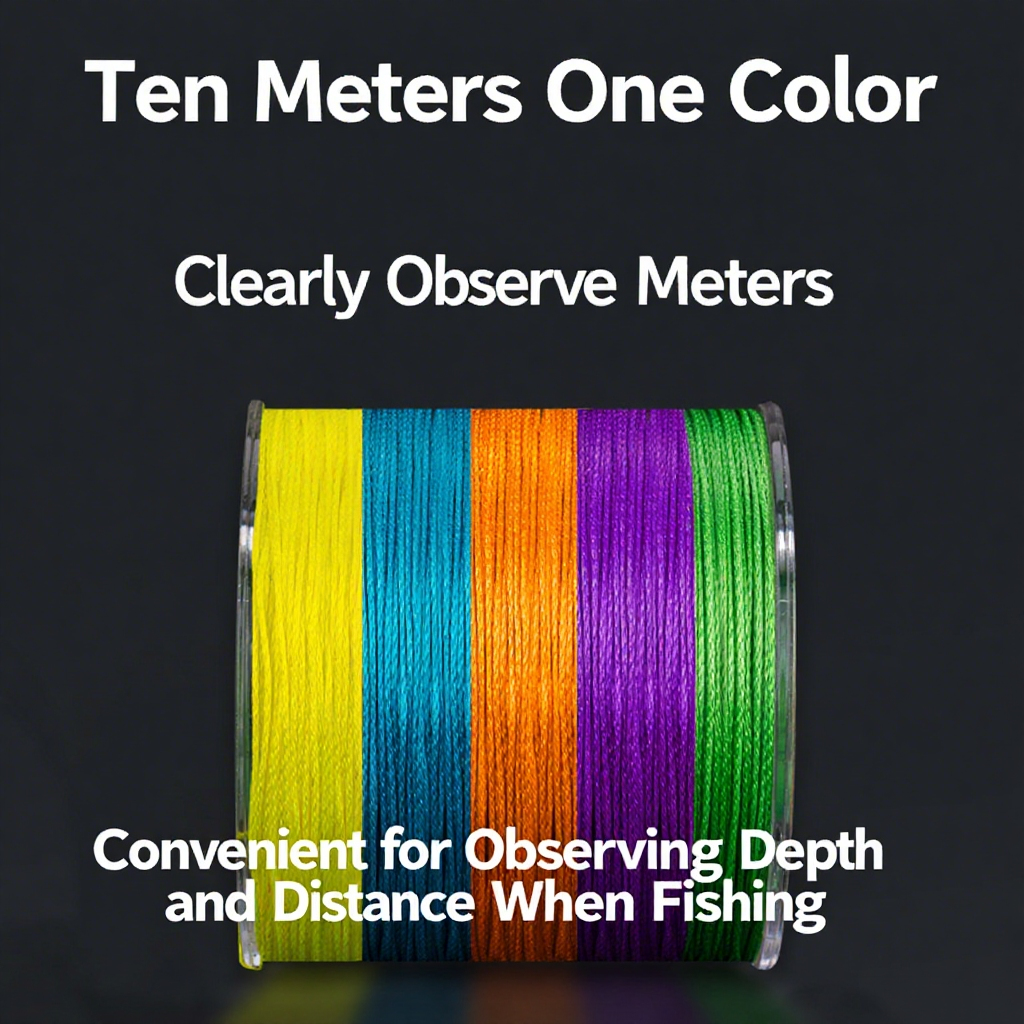
Line: Fluorocarbon (low visibility) or braid (strength) for clean casts. I use 15lb braid + 8lb fluoro leader for carp/bigheads.
-
Floats/Bobbers: Bullet floats for depth precision; poppers with built - in floats for visual pops.
-
Terminal Tackle: Split rings and swivels rated for your rod’s max drag—nothing worse than a snapped line mid - fight!
3. My Epic Fail Turned Win: A Case Study
Last spring, I fished Lake Silvermist (infamous for wary bigheads). Armed with a basic rod, cheap block, and mismatched gear, I caught zerofish—all day. Defeated, I rented a GT popping pole, tuna popping block, and upgraded my line/gears.
Day 2:
-
Rigged the tuna popping block on the GT pole (matched to 12lb line).
-
Cast near a submerged log (carp/carp hangout).
-
Did short, sharp pops—then paused. The block’s tension kept the lure dancing 1.5m deep (bigheads’ lunch zone).
-
Thump!A 7.2lb bighead hit—my rod bent double, but the “GT killer” blank held.
That day, I caught 8 fish. My buddy, still using his old gear, caught 1. The difference? Control.
4. Pro Tips from Angling Legends (And What Works for Me)
-
IGFA Coach Marco Torres: “A popping rod’s ‘recovery speed’ (how fast it snaps back after a pop) should match the fish’s aggression. Bigheads need 0.3 - second recovery; carps, 0.5 seconds.”Test yours: Drop the rod tip, time how fast it returns to position.
-
Seasonal Tweaks: Spring = light blocks + shallow water (carps spawn); Summer = heavy blocks + deep drops (bigheads chase cooler water).
-
Listen to Your Gear: If your block “squeaks” or rod “twangs” oddly, adjust tension. Friction = lost strikes.
5. Your Action Plan: Start Controlling Water Layers Today
Ready to upgrade? Follow this:
-
Beginner Setup: Entry - level GT popping pole (40). Perfect for learning.
-
Test, Test, Test: Cast in a calm pond. Pop, pause, note where your lure stops. Adjust block weight.
-
Share Your Wins: Tag me (@FishWithFran) when you land a monster—let’s prove these tools work!
Anglers, water layer control isn’t magic—it’s science + the right gear. With a GT popping pole, tuna popping block, and smart gear choices, you’ll go from “where did they go?” to “how many can I land?” faster than you think.
Drop a comment: What’s your biggest struggle with popping rods? I’ll help troubleshoot!





Leave a comment