


Perfect Baitcaster Setup: Your Ultimate, No-BS Anti-Backlash Guide
Let’s be honest. That moment of sheer dread—the whirring sound that dies into a sickening crunch, the line spiraling into an impossible bird’s nest on your spool. Backlash. It’s the universal hazing ritual for anyone daring to pick up a baitcasting reel. I’ve been there, staring at a $20 tangle of braid, wondering if I should just cut my losses and take up knitting instead. 🧶
But here’s the truth they don’t always tell you: Backlash is not a skill issue. It’s a setup issue. Mastering your baitcaster isn’t about magical thumbs; it’s about understanding the elegant mechanics in your hands and dialing them into harmony. This guide is your blueprint to transcend frustration and unlock the precision, power, and pure joy that a perfectly tuned baitcaster delivers.
The “Aha!” Moment: From Frustration to Fluidity
My journey wasn’t graceful. I treated my first quality baitcaster like a spinning reel, ignoring its dials and knobs. The result? A spectacular series of “professional overruns” that would impress a clown. The turning point came not on the water, but on a rainy afternoon in my garage. I spent hours casting a 1/2 oz weight into a laundry basket 30 feet away. No fish, just focus. I tweaked one knob, made ten casts. Repeated. That’s when it clicked: this isn’t witchcraft; it’s adjustable physics. And once set, it’s forgiving.
Deconstructing the Machine: Your Four Control Centers
Think of your baitcaster as a high-performance engine with four critical control systems. You wouldn’t race a car with unbalanced tires and misaligned brakes, right? The same applies here.
-
The Spool Tension Knob: The Side-Spin Guardian
Located right next to the spool, this knob applies direct physical pressure to the spool shaft. Its job is simple but crucial: to match the spool’s inertia to your lure’s weight. A lure that’s too heavy for a loose setting will overrun the spool (backlash). A lure that’s too light for a tight setting will plop down uselessly. We’ll dial it in perfectly in a moment.
-
The Braking System: Your Anti-Backlash Airbags
This is your high-tech safety net. Most reels feature either magnetic brakes, which use electromagnetic force to resist spool spin, or centrifugal brakes, which use little brake pads that push out with spool speed to create friction. Some premium reels use both! Their job isn’t to prevent casting distance, but to govern the spool’s acceleration and deceleration, especially at the start and end of your cast.
-
The Drag Star: The Fighting Governor
While primarily for battling fish, a smoothly set drag is part of a holistic setup. A drag that’s too tight can make a hooked fish feel like a snag, leading to a broken line. A proper preset ensures a consistent, smooth release of line under pressure.
-
The Line & Rod: The Forgotten Partners
Your setup is only as good as its weakest link. Using a stiff, heavy-action rod for a lightweight lure is a recipe for poor casting. Similarly, the wrong braided fishing line or fluorocarbon leader can affect spool behavior and knot strength dramatically.
The Foolproof, Step-by-Step Setup Protocol
Follow this sequence every time you tie on a new lure, especially if the weight changes. This is the non-negotiable foundation.
Step 1: The “Free Fall” Spool Tension Setting
-
Tie on your lure.
-
Hold your rod parallel to the ground.
-
Disengage the spool (press the thumb bar) so the lure hangs freely.
-
Adjust the spool tension knob until the lure begins a slow, controlled descent to the ground. When it hits the floor, the spool should stop immediately with maybeone quarter-turn of overrun.
-
Pro Tip: Do this with the brakes set to their maximum setting first. This isolates the tension knob’s role.
Step 2: Dialing in the Brakes for Distance & Safety
-
Now, go to an open area. With your tension set from Step 1, start with your brakes (magnetic dial or centrifugal pins) at about 70-80% strength.
-
Make a firm, smooth cast at a target. Observe the spool as the lure lands.
-
The Goldilocks Zone: If you get backlash, increase brake. If the lure seems to “fight” against the cast and falls short, decrease brake. Your goal is the most distance with zero thumb intervention on the spool at the end of the cast. Gradually lower brake settings as your confidence grows.
Step 3: Thumb School – Your Final, Finest Control
Your thumb is the ultimate micro-adjustment tool. It’s not for slamming down on a screaming spool. Practice “feathering”—lightly brushing the spool as the lure flies to gently slow it as it approaches the target, and applying gentle pressure just before it hits the water. This skill turns a good caster into a great one.
Navigating the Great Divide: Saltwater vs Freshwater Reels
This is a critical, often-confused point that ties directly into gear longevity and performance. The core difference between saltwater and freshwater fishing reels boils down to one enemy: corrosion.
-
Can you use freshwater reels in saltwater? Technically, yes, for a very short time. But it’s a death sentence for the reel. Salt crystals will invade bearings and gears, causing rapid wear and failure. The seals and materials on most freshwater reels aren’t designed for this assault.
-
Can you use a saltwater reel in freshwater? Absolutely, and it’s often overkill in a good way. A reel built with stainless steel bearings, sealed components, and corrosion-resistant alloys will laugh at rain and lake water. The trade-off is often slightly more weight and cost.
The Verdict: If you ever, everplan to fish in brackish or saltwater, invest in a reel built for it. It’s insurance. For purely freshwater anglers, a dedicated freshwater model is perfect and often more budget-friendly.
Building Your Arsenal: Choosing the Right Tools
A perfect setup extends beyond the reel. Here’s how to choose supporting gear that minimizes backlash:
-
Baitcasting Rod: Match the rod’s “power” and “action” to your lure weight. A “Medium-Heavy, Fast” rod is a versatile bass backbone. A rod rated for 1/4-5/8 oz lures will load and unload properly with a 3/8 oz lure, giving you a crisp cast that efficiently transfers energy.
-
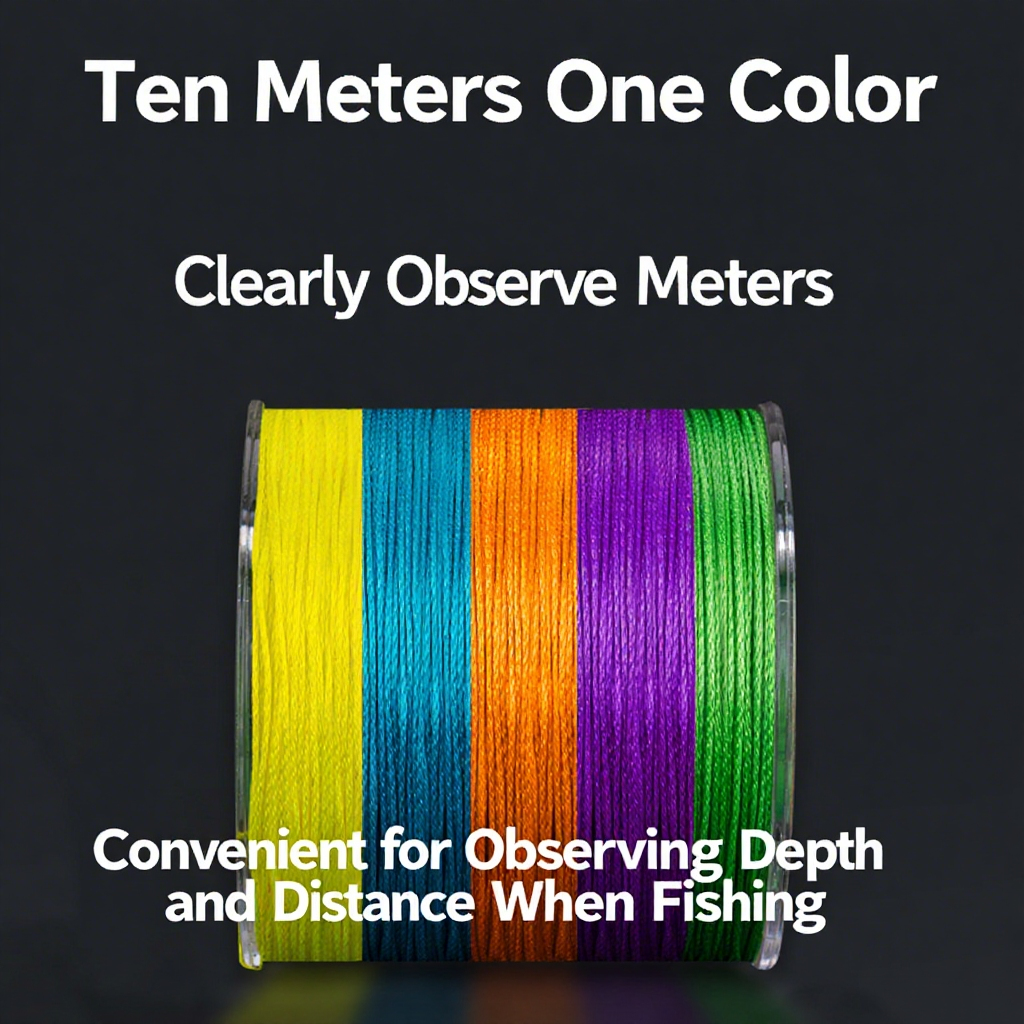
Line Choice Matters: Braided fishing line is king for baitcasters due to its thin diameter and zero stretch, offering greater spool capacity and sublime sensitivity. However, its lack of stretch can make minor spool overruns worse. Many pros pair it with a fluorocarbon leader for its invisibility and abrasion resistance, using a reliable knot like the FG or Double Uni.
-
Lure Logic: Start with lures in the 3/8 to 1/2 oz range. They’re heavy enough to properly load the rod and keep the spool spinning with stable momentum. Save the 1/8 oz finesse presentations for later. And whether you’re throwing a subtle gummy minnow for trout or a massive big game fly pattern for pike (on appropriate heavy tackle), the setup principles remain the same: match your gear to the lure’s weight.
The Final Cast: It’s a Partnership, Not a Fight
The perfect baitcaster fishing reels setup isn’t a one-time formula. It’s a dynamic relationship. Wind, temperature, and lure changes mean you’ll constantly make micro-adjustments. But with this foundation, you’re not guessing. You’re engineering your success.
Embrace the learning curve. Celebrate the first tangle-free cast, then the first accurate skip under a dock. That’s the real catch. Now, go get your knobs dialed, and I’ll see you on the water. Tight lines and smooth spools! 🎣✨






Leave a comment