


The Structure Hunter’s Playbook: Advanced Popping for Wary Mandarin Fish
Let me tell you about the most educated, frustrating fish in freshwater. It wasn’t in some exotic locale, but in a heavily pressured urban reservoir, stalking the shadow lines of a sunken bridge piling. I’d see the giant mandarin fish (Chinese perch, Siniperca chuatsi) suspended like ghosts on the side-scan, a heart-stopping sight. I’d make what I thought was a perfect cast with my heavy-duty gear, the popper landing with authority. Nothing. I’d switch to finesse, barely twitching. Nothing. It was as if they were watching a bad play, utterly unimpressed. My breakthrough came not from a new lure, but from a moment of pure observation. A tiny bluegill, chased by a bass, panicked—darting erratically, then freezing, pressed against the concrete piling. A shadow detached and inhaled it. That was the lesson: for a predator glued to structure, the trigger isn’t just action; it’s action in a specific, vulnerable location, followed by a terrifying pause. This is the advanced game of popping for mandarin fish. It’s not about blind casting. It’s about surgical lure landing spot selection and a tease frequency that mimics pure, unadulterated panic right in their living room. Forget open water. Welcome to the structure wars.
Rethinking the Popper: Not a Topwater Tool, But a Structure Trigger
The first mental shift is crucial. You’re not using a popper for a “bloop-bloop” retrieve in open water. You’re using it as a precision triggering device around immovable objects: bridge pilings, rock walls, fallen trees, dam faces. The ker-plop!isn’t just noise; it’s a sonic beacon that echoes off hard structure, mimicking a baitfish hitting the wall or the surface in panic. This focused sound wave travels through structure better than through open water, acting like a dinner bell for a stationary ambush predator.
This dictates your entire gear philosophy. A long, floppy rod won’t cut it. You need a tool for precision. This is exactly why someone would search to buy goofish popping rod or a similar dedicated tool—not for ocean GT, but for its powerful, yet controlled parabolic bend. This blank is designed to load smoothly for accurate casts (placing the lure inches from a piling) and has the strong backbone to both work the lure aggressively and wrestle a fish from its lair. A general popping pole might get you distance, but a specialized GT popping rod-inspired tool gives you the surgical control for structure.
Trick #1: The Surgical Landing – The “Trigger Zone” is Inches, Not Feet
90% of the success is where the lure lands. A mandarin fish holding at 15 feet on a deep piling won’t move 10 feet horizontally for a meal. It might move 10 inches.
-
The “One Foot” Rule: Your target landing spot is never more than 12 inches from the structure’s face. The ideal is for the lure to land so that its first “pop” happens with its nose almost touching the concrete, rock, or wood. Why? This replicates the exact scenario of a desperate baitfish seeking refuge againstthe structure. It looks trapped. It sounds trapped. To the fish, it’s an easy, guaranteed meal with zero horizontal chase.
-
The Casting Discipline: This demands accuracy that eliminates overpowered, wild casts. It’s a smooth, loaded, pendulum-like motion, stopping the rod tip high to drop the lure down the face of the structure, not splash it out in front. It’s less about force, more about trajectory. Practice is non-negotiable.
-
Reading the “Hot Face”: Not all sides of a piling are equal. The face into the current or the one receiving afternoon sun is often more active. Your side-scan is your map; your first precision cast is your probe.
Trick #2: The Panic Frequency – It’s a Staccato, Not a Melody
Once the lure lands in the trigger zone, the tease frequency begins. This is not a rhythmic “pop-pause-pop.” It’s the erratic, neurological firing of a prey animal in its final moments.
The “Three-Pop Flurry & Freeze” Sequence:
This is the core tactic that changed everything for me.
-
The Impact Flurry: The instantthe lure lands, you execute three aggressive, rapid-fire pops in under two seconds. Don’t “walk the dog.” Snap the rod tip downward sharply, loading the rod’s butt section. The goal is maximum water displacement and noise: BLOP-BLIP-BLOP!This mimics the initial, chaotic surface struggle.
-
The Critical Freeze: After the third pop, you STOP COMPLETELY. Let the lure sit dead in the water for a 3-5 second count. This is the “vulnerability window.” The rings dissipate. The sound fades. The predator sees a stunned, exhausted prey item right against its home. This pause is everything. Dr. Iyengar’s research on predator inspection behavior notes that a sudden cessation of movement after erratic action significantly increases a predator’s “attack commit” probability, as it signifies exhausted, capture-ready prey.
-
The Death Twitch: If no strike occurs during the freeze, impart a single, half-strength twitch—just enough to make the lure shiver. Then freeze again for 2-3 seconds. This is the “last gasp.”
-
Reset: If nothing, reel in quickly and repeat. The sequence is: Land -> 3x Aggressive Pop -> Long Freeze -> 1x Subtle Twitch -> Short Freeze -> Retrieve.
This frequency is exhausting to perform correctly. It requires a rod that transmits power instantly on the pop but is forgiving enough for the subtle twitch. It’s a demanding technique that highlights why proper gear matters when you decide to buy popping pole for this—you need a unified tool, not a compromise.
The Synergistic System: Gear That Enables the Technique
You cannot execute this with a mismatched system. The rod, reel, and line must work as one.
-
The Rod: Your Precision Lever: A dedicated popping rod in the 7’6″ to 8′ range, with a fast tip for action and a serious backbone, is ideal. It’s the difference between tapping a nail and driving it. The rod must have the power to snap a 20g popper aggressively but the sensitivity to feel a subtle take on the freeze. The action of a rod you’d use to buy goofish popping rod for saltwater is surprisingly applicable here—it’s built for powerful, controlled inputs.
-
The Reel: Your Instant Slack-Killer: A high-speed retrieve (7.0:1 or higher) is mandatory. After your three-pop flurry, you must take up the slack line immediatelyto be tight for the strike during the freeze. A slow reel leaves a bowed line, and you’ll miss the bite.
-
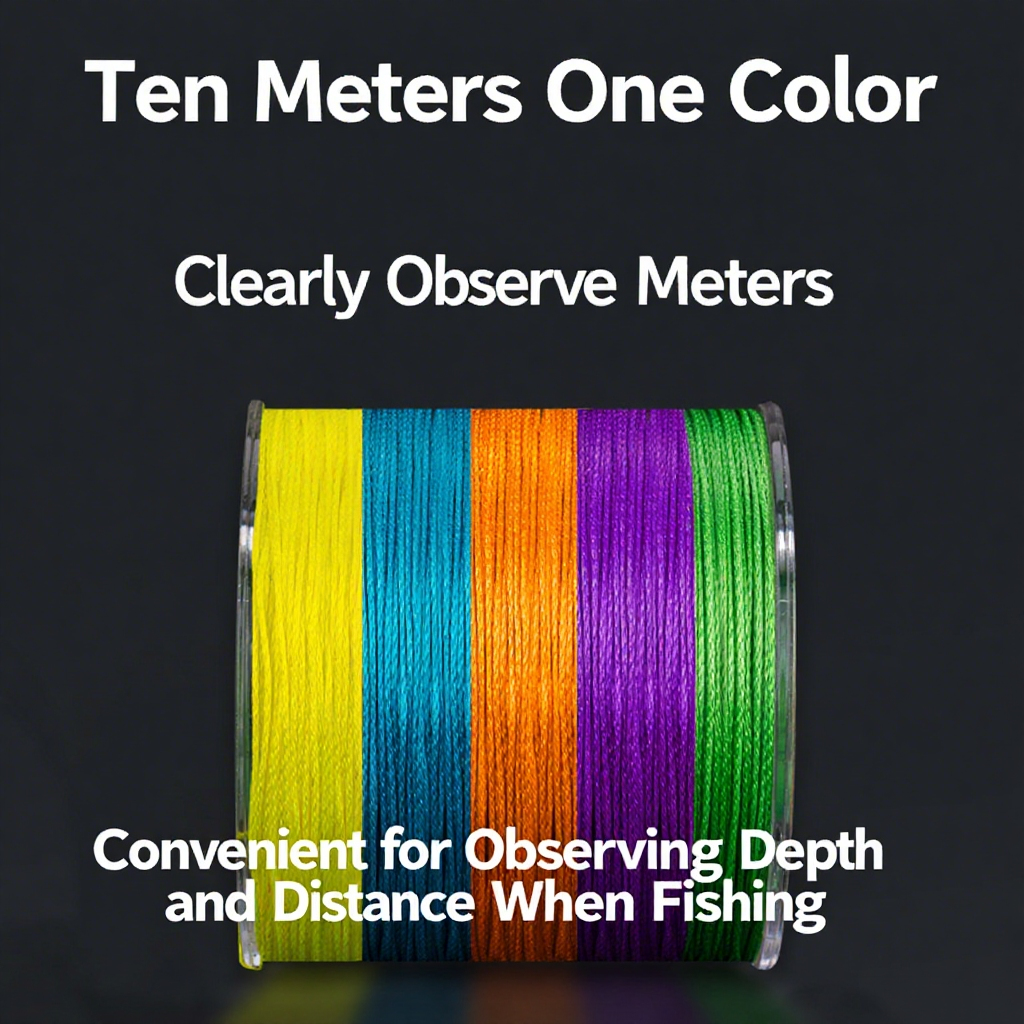
The Line: Your Direct Connection: 40-65lb braided line is required. Zero stretch means the instant a fish sucks in the motionless lure on the freeze, you feel it and can set the hook cross its face. Fluoro leaders (20-30lb) are needed for abrasion against concrete and invisibility.
For the angler ready to implement this, searches get specific:
-
“best popping rod action for precise casting to structure”
-
“how to set hook on a surface strike during a pause”
-
“braid to leader knot for heavy popping”
-
“mandarin fish behavior around bridge pilings”
The Final Takeaway: It’s a Trap, Not a Chase
Catching wise, structure-oriented mandarin fish on a popper is one of freshwater fishing’s ultimate challenges. It inverts the normal popping paradigm. You’re not covering water; you’re setting a trap in a specific, high-probability lure landing spot. You’re not enticing a chase; you’re triggering a reflex with a specific, violent tease frequency.
It requires the discipline of a tournament bass angler, the accuracy of a fly fisherman, and the power of a light-tackle saltwater enthusiast. When it all comes together—the cast kisses the piling, the three-pop flurry erupts, the water goes still, and then the surface simply opens upin a violent, swirling eat—it’s the purest form of predator fishing. It’s not luck. It’s applied predatory ethology. And it starts with choosing a rod that’s not just a stick, but a precision instrument for the hunt.
Have you tried popping for structure-held predators? What’s your most precise “trigger zone” catch? Share your popping fishing stories and refinements to the sequence below!





Leave a comment