


The Two Mistakes That Empty Your Cooler: A Popping Rod Reality Check
Let’s be brutally honest for a second. How many times have you returned from a popping trip, arms aching, sunburnt, and your cooler suspiciously… light? You saw the boils, you heard the crashes, you made the casts. And nothing. I’ve been there, standing on the deck feeling like the fish were personally ignoring me. My early days with a popping rod were a masterclass in frustration. I’d watch seasoned anglers hook up consistently while my own efforts yielded only sore shoulders and a growing tackle-box complex. The breaking point came on a trip targeting yellowfin tuna off North Carolina. Birds were working, fish were crashing, and I was firing cannon-like casts with all my might into the frenzy. My lure—tied to a trusted Goofish Titan Surge popping poles—landed like a depth charge. The result? A single, lucky fish for me, while the angler next to me, casting with what looked like a lazy flick, limited out. The difference wasn’t luck, location, or even the lure. It was two fundamental, soul-crushing mistakes I was making on every single retrieve: Excessive Casting Force and a Wildly Wrong Pause Timing. Master these, and you stop scaring fish. You start catching them.
Mistake #1: The Herculean Heave – Why Power Kills Your Presentation
Here’s the hard truth we all learn: In popping, distance is a byproduct of technique, not brute force. When you try to cast a 150g popper “as hard as you can,” three catastrophic things happen:
-
You Lose All Accuracy: Your body becomes a chaotic collection of moving parts. The rod tip travels an erratic path, sending your lure on an unpredictable trajectory. You’re not aiming; you’re hoping. That perfect splash 10 feet from the boil? You’ll miss it by 20.
-
You Spook the Fish: Think of the water’s surface as a giant drum. A lure landing with the force of a falling anvil sends shockwaves through the water that telegraph “DANGER” to every predator within 50 yards. It doesn’t sound like a fleeing baitfish; it sounds like a catastrophe.
-
You Destroy Your Gear (and Your Body): This is the silent killer. A popping rod, even a beast like the Titan Surge, is a precision lever. Overpowering it stresses the blank in ways it wasn’t designed for, leading to premature failure. I’ve seen rods snap on the cast not because they were weak, but because they were abused. Your shoulders and elbows aren’t built for that strain either.
The Physics Fix: The Kinetic Chain
Forget arm strength. Think kinetic energy transfer. Proper casting is a smooth, sequential motion: legs -> core -> torso -> shoulders -> forearm -> wrist. The rod is a spring that loads and unloads. Your job is to smoothly load it and release it at the right moment. A study on casting biomechanics in the Journal of Sports Sciencesconfirmed that expert casters generate higher line speed with lowerperceived exertion by optimizing this kinetic chain, not by using raw muscle.
The Drill: Practice in your yard without a lure. Tape a 1-foot square on the grass. Practice hitting it with your line, using only a smooth, accelerating motion that stops abruptly at the 1 o’clock position. If you’re grunting, you’re doing it wrong. This skill makes any popping rod for sale perform better.
Mistake #2: The Random Rhythm – Why Your Pause is the Punchline
This is where the magic dies. You’ve made a decent cast. The lure lands. Now you… do something. A frantic series of pops? A long, bored stare at the lure? This was my Achilles’ heel. I had no rhythm. My pops were a chaotic, desperate attempt to “make something happen.”
A popping retrieve isn’t just action; it’s a story. The “pop” is the panic. The pause is the vulnerability. The wrong pause timing tells the wrong story.
-
Pause Too Short: Your lure becomes a hyper, erratic insect. It looks unnatural, unbelievable, and exhausting to a fish. It’s noise without meaning.
-
Pause Too Long: Your lure appears dead. The illusion of life is gone. A predator’s interest window is about 2-3 seconds. Exceed that, and you’re just looking at floating plastic.
The Biological Trigger: The Predator’s Calculation
Dr. David Ross, a marine biologist specializing in gamefish behavior, notes that predators are efficient. They calculate the energy expenditure of a chase versus the reward. A frantic, never-stopping baitfish might not be worth it. A wounded, struggling baitfish that periodically stops—seeming vulnerable—triggers a primal “easy meal” response. Your pause is the invitation to strike.
The Practical Fix: The “Pop-Sizzle” Method
Don’t count seconds. Listen and feel. A great pop creates a “ker-blop!” and a sizzle of bubbles.
-
POP: Snap the rod tip down and to the side sharply, loading the rod’s butt. Don’t just wiggle your wrist.
-
SIZZLE: As the lure spits water and bubbles, take up the slack line immediately with 2-3 fast cranks. This keeps the line tight and the lure in the “wounded” posture.
-
PAUSE: Now, stop. Let the lure sit. Watch the bubbles dissipate. The moment the water around it goes almost still—that’s your cue. That’s the peak vulnerability. This rhythm, dictated by the water’s reaction, not a clock, is infinitely more effective.
Building a Mistake-Proof System: The Right Gear Supports the Right Technique
You can’t play a concerto on a broken violin. Your gear must enable good technique, not fight it.
-
The Rod is Your Engine: When looking at a popping pole for sale, prioritize a balanced blank. A rod that’s too stiff won’t load smoothly on a gentle cast, forcing you to overpower it. A rod that’s too soft won’t have the backbone for a powerful hook-set. A well-designed high-modulus graphite blank with a progressive taper gives you both.
-
The Reel is Your Transmission: A high-speed retrieve (6.4:1 or higher) is non-negotiable. It allows you to take up that critical slack line after the pop instantly, maintaining contact and control. A slow reel kills your rhythm.
-
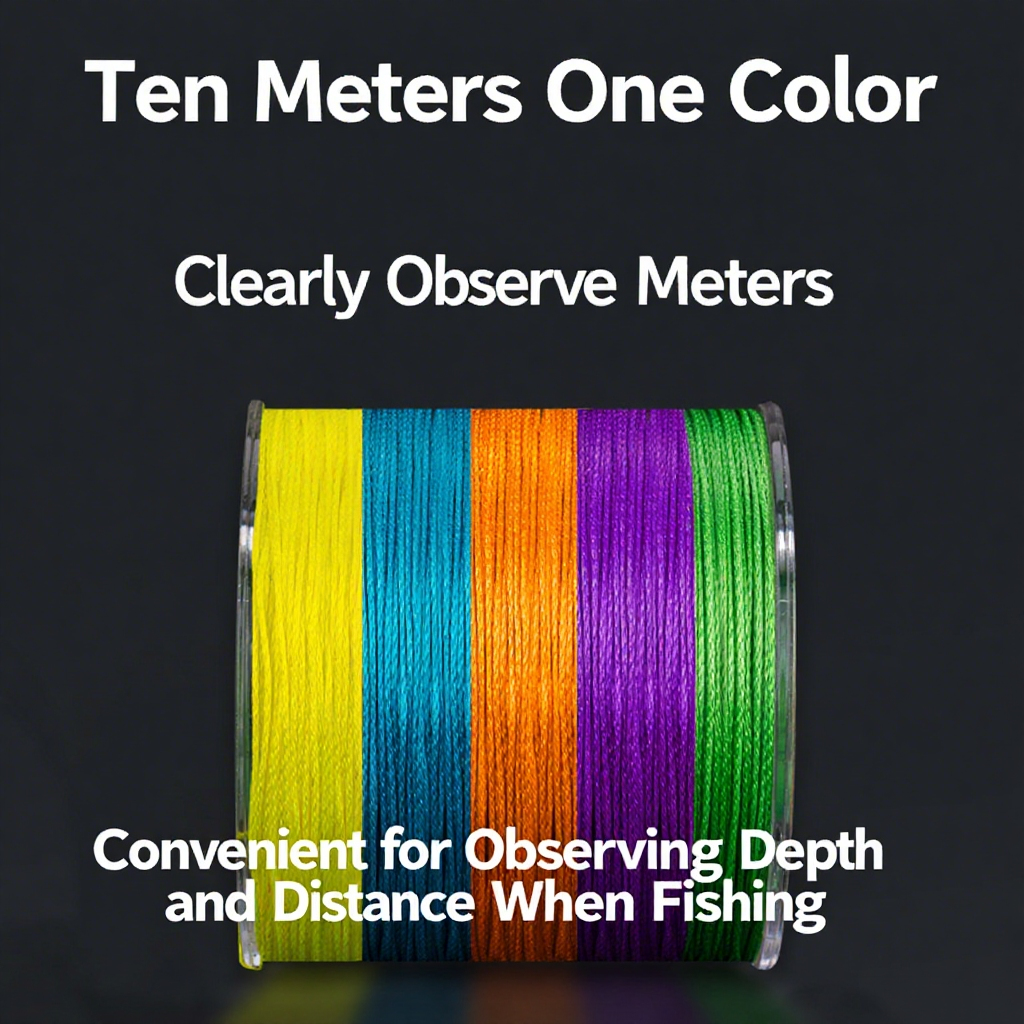
The Line is the Connection: Use 65-100lb braided line. It has no stretch, so every nuance of your rod movement is transmitted directly to the lure. It also floats, making it easier to execute the “walk-the-dog” action on the pause.
And for the angler looking to solve these exact problems, the searches are revealing:
-
“how to cast a heavy popper accurately without overexertion”
-
“best popping rod for beginners to learn proper technique”
-
“how to find the right popping retrieve rhythm”
-
“braid vs mono for surface popping”
The Final Hook-Set: Less is More
My transformation from popping zero to hero began the day I stopped trying to forcethe fish to bite and started trying to persuadethem. I focused on a smooth, loaded cast that placed the lure gently 5 feet past the boil. I concentrated on a crisp “pop” followed by a patient pause, letting the water itself tell me when to pop again.
The results were immediate and profound. I was less tired. My accuracy soared. And the fish… they started saying yes. That Goofish Titan Surge popping poles went from being a club I swung wildly to a precision instrument I conducted.
So, the next time you’re on the water and the bite is tough, do a quick audit. Are you throwing your shoulder out on every cast? Is your retrieve a random series of jerks? If so, stop. Breathe. Smooth your cast. Listen to your pause. Master these two simple, devastatingly common mistakes, and watch your cooler—and your confidence—fill up.
What was your biggest “aha!” moment that fixed your popping technique? Was it a gear change or a mental shift? Share your story in the comments—let’s learn from each other’s hard-earned wisdom!





Leave a comment