


Bass jig fishing starts with a rod matched to the jig, trailer and cover you intend to fish. A rod marketed for offshore jigging is not automatically suitable for casting freshwater bass jigs. This guide focuses on largemouth and smallmouth bass jig presentations, not heavy saltwater metal-jig techniques.
Use these 10 tips to improve lure control, detect changes in line tension and choose a suitable setup. The aim is a repeatable presentation, not a promise that a particular rod will guarantee more fish.
1. Match the rod to your complete jig setup
Consider the combined weight of the jig and trailer, hook style, cover and reel type. Check the rod's casting range and line rating rather than choosing from a power label alone.
The GOOFISH BassMaster bass fishing rod is listed as a 6 ft 6 in one-piece model with Japan FUJI components. Current variants are labeled MH-ACTION and offer spinning or casting configurations. The description reviewed does not provide a numerical casting-weight range, so confirm the intended jig load before choosing it for your setup.
2. Choose a jig for the cover and presentation
A finesse jig, football jig, swim jig and vegetation-oriented jig serve different presentations. Select a head shape and hook configuration that suit the area you intend to fish rather than assuming every jig works equally well around rocks, wood and grass.
Use enough weight to control the lure, but stay within the rod's ratings. Wind, current and depth can change the weight needed for contact.
3. Pair the trailer with the intended fall
The trailer changes the jig's profile and movement. Its size and action can also affect the fall and total casting load. Observe the complete rig in clear water near you before relying on how the bare jig behaves.
Change one variable at a time so you can judge whether a different profile or movement helps.
4. Control the fall without losing awareness
Let the jig descend toward the intended feeding zone while watching the line. Excessive slack makes changes harder to notice, while too much tension may alter the fall. Find a balance that lets the rig move naturally and keeps you aware of it.
A bite may show as a twitch, an unexpected stop or line moving sideways. First recover loose line and assess the load, then respond appropriately for the hook and setup.
5. Mix drags, hops and pauses
Start with controlled movements instead of repeatedly snapping the rod. A slow drag, short hop or pause can each create a different presentation. Watch how the jig responds and whether the hook stays clear.
There is no single retrieve that always works. Repeat a successful cadence when you get useful feedback, and change deliberately when the presentation is not producing interest.
6. Fish specific features of cover
Rather than casting generally at a bank, target identifiable features such as a rock edge, the shaded side of a dock or an opening in vegetation where access is safe and permitted. Consider how you will retrieve the lure and land a fish before casting.
A weed guard reduces some snag risks but does not make a jig snag-proof. Inspect the hook point and line after contact with rough cover.
7. Adjust to fish depth and position
Depth changes, available cover and visible activity help guide where to work the jig. A fish finder can provide useful information from a boat, but it is not essential for every bank-fishing session.
Do not assume all bass are on the bottom. A swim-jig presentation or a controlled fall beside cover may reach fish in a different part of the water column.
8. Choose line for the complete setup
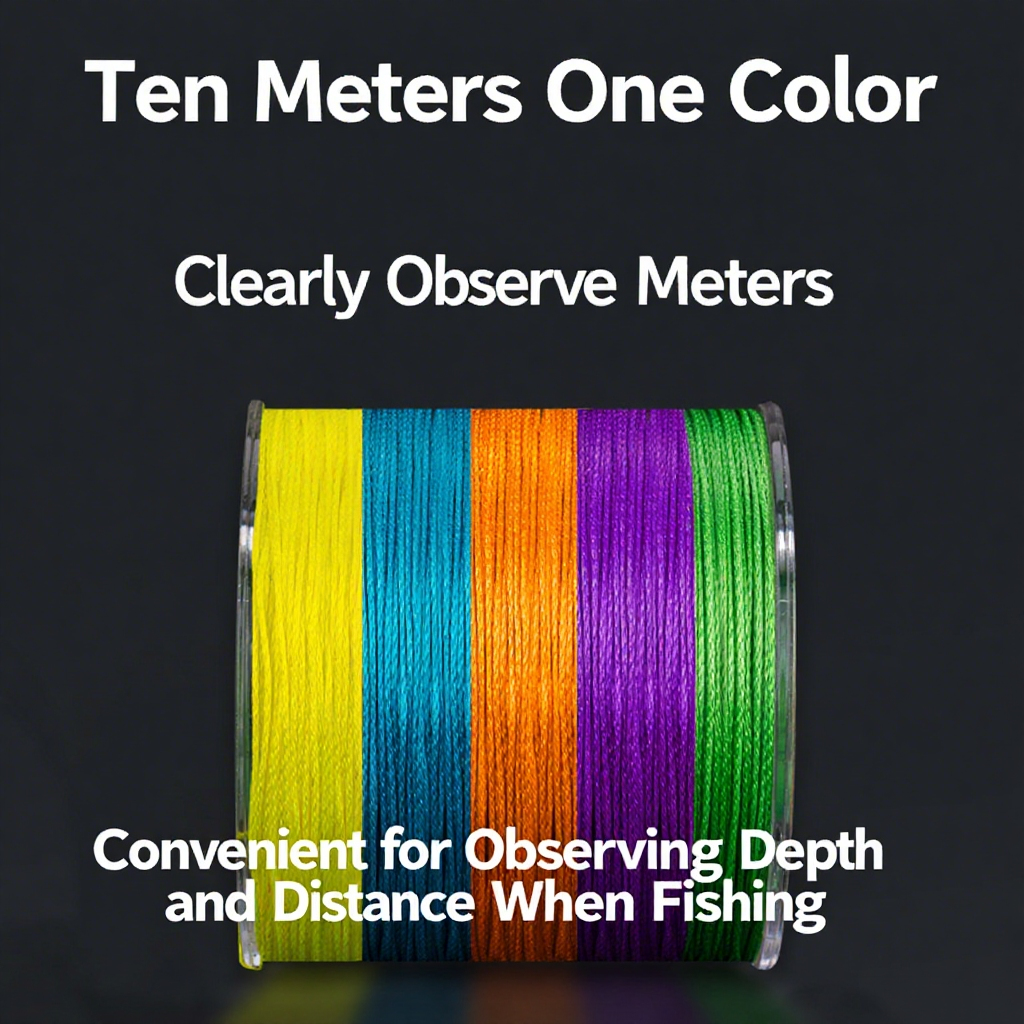
Fluorocarbon can be useful for some jig presentations; braid or braid with a leader may suit others. Visibility, abrasion, vegetation, stretch, reel handling and knot reliability all matter. No line type is universally best.
Match line to the rod and reel, inspect knots and set drag within the limits of the entire system. Do not treat a test-lift figure as a recommended drag setting.
9. Adapt to conditions, not temperature alone
Water temperature is one factor among several. Light, water clarity, current, bait activity and recent weather also influence your choices. Cooler water may justify trying a slower retrieve, but it does not establish a rule that every fish wants the same speed.
If one area is unproductive, change the casting angle or presentation before moving safely to another location. Keep notes on the conditions and the retrieve used.
10. Practise accuracy and safe fish handling
Practise controlled casts in a clear area with the appropriate load. Accuracy helps you reach cover without repeatedly snagging or disturbing the area. Check clearance around people, overhead branches and equipment.
Avoid high-sticking and use suitable landing equipment rather than lifting a fish with the rod. Follow local regulations and handle released fish carefully.
Spinning vs casting options for bass jigs
Choose a configuration compatible with your reel and rig. The BassMaster spinning and casting rod options let you compare the listed configurations, but they should not be assumed identical in handling or suitable for every jig weight. Confirm the selected option's ratings before ordering.
Frequently asked questions
Is a bass jig rod the same as a saltwater jigging rod?
Not necessarily. Casting skirted bass jigs and working offshore metal jigs can require different weights, actions and handling. The shared word “jig” does not establish compatibility.
Should I always use medium-heavy power for bass jigs?
No. The complete rig, cover, hook and manufacturer's ratings determine suitability. Power labels also vary between brands, so check the actual specifications.
Must I use fluorocarbon for jig fishing?
No. Choose line based on the presentation, cover and complete setup. Reliable knots and appropriate ratings matter whichever line type you use.
Can I use a heavy offshore jigging rod for small bass jigs?
Do not assume it will cast or work them effectively. Compare actual load ranges and intended use. Our GOOFISH rod uses guide explains why different techniques call for different models.
Build a matched bass jig setup
Start with the jig, trailer and fishing cover, then choose a rod, reel and line that work together. Use the BassMaster link to review current options and confirm the missing numerical ratings for your rig before purchasing. Consistent lure control and careful observation are more useful than choosing on brand or power alone.






Leave a comment